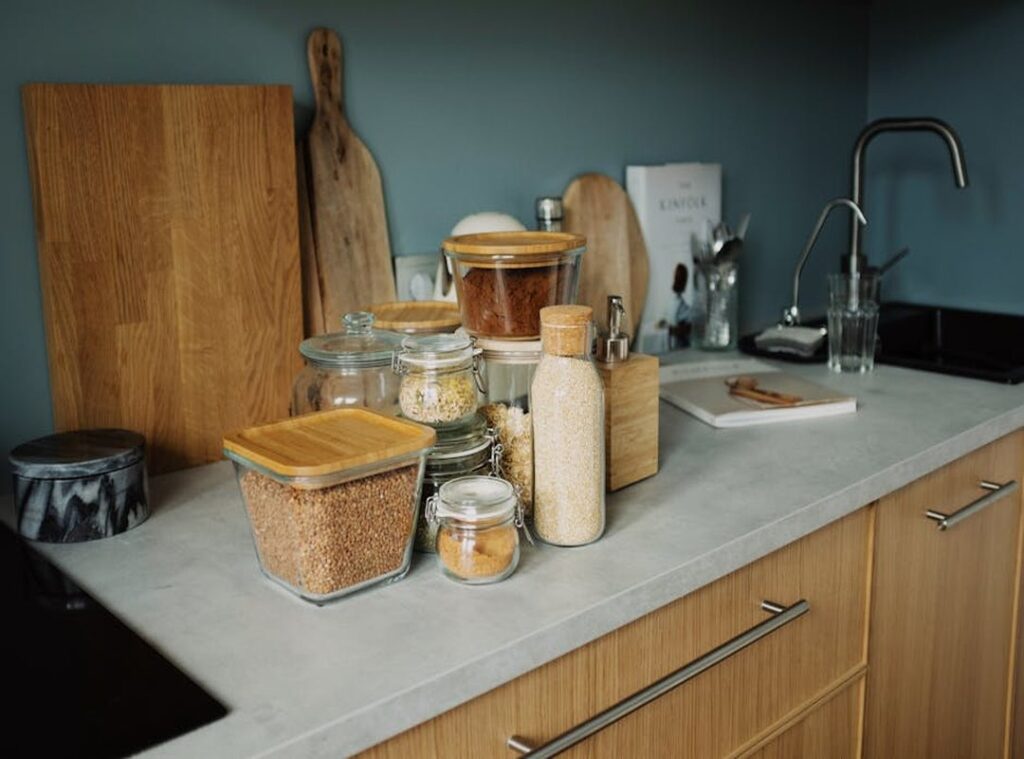

A kitchen that works against you is one of the most frustrating spaces in a home. Drawers that stick, counters buried under appliances, cabinets stuffed to the point where finding a single pan requires excavation. These aren’t minor annoyances. They slow down meal prep, create stress during busy weekday mornings, and make cooking feel like a chore rather than something you just do.
The good news is that a full remodel is rarely the answer. Thoughtful, targeted improvements to workflow, storage, and surfaces can transform how a kitchen functions without tearing out walls or replacing everything from scratch.
Focus on Kitchen Workflow First
Before adding organizers or buying new fixtures, it helps to understand how movement flows through the space. The classic “work triangle” concept, the path between the refrigerator, stove, and sink, still holds up as a practical framework. When those three zones are positioned logically and kept clear of obstacles, cooking becomes noticeably smoother.
Mapping Your Cooking and Prep Zones
Think about where food actually gets prepared. If the cutting board lives on the opposite side of the kitchen from the stove, that’s a workflow problem. Grouping prep tools, cutting surfaces, and frequently used ingredients near each other cuts down the steps taken during a single meal.
Reducing Unnecessary Movement
Pots stored in a cabinet across the kitchen from the stove, spices tucked behind other items, utensils in a drawer that requires moving three things to open. Each small inefficiency adds up. Rearranging storage so that the most-used items are within arm’s reach of where they actually get used is one of the simplest and most impactful changes a family can make. No new purchases required.
Maximize Storage Space
Storage is almost always the core complaint in a busy kitchen. The issue is rarely a lack of space. It’s usually a lack of organized space.
Vertical storage is consistently underused. Wall-mounted magnetic strips for knives, hooks for pots and pans, and open shelving above the counter all free up cabinet and drawer space for items that genuinely need to be enclosed. Inside drawers, simple dividers prevent the jumbled chaos that makes finding a spatula feel like a scavenger hunt.
Countertop clutter is another common culprit. Appliances that get used once a month don’t need to live on the counter. Moving them to a lower cabinet or pantry shelf opens up visual and
physical workspace immediately. And the inside of cabinet doors is valuable real estate in smaller kitchens. Mounted organizers for spices, cleaning supplies, or cutting boards use space that would otherwise go completely to waste.
Improve Lighting and Visibility
A dim kitchen is an inefficient kitchen. Poor lighting makes it harder to see what’s in the back of a cabinet, harder to read recipes, and harder to work safely with knives and hot surfaces.
Under-cabinet lighting is one of the highest-return improvements available. It puts light directly on the countertop workspace, which is exactly where it matters most during cooking. LED strip lights are inexpensive and easy to install, and they make a measurable difference in how functional the space feels.
Natural light plays a role too. Keeping window areas clear of clutter, choosing lighter paint colors, and avoiding heavy window treatments all contribute to a brighter kitchen. Lighter surfaces reflect light and make a space feel more open, which reduces the closed-in feeling that makes small kitchens feel cramped.
Update Cabinets Instead of Replacing Them
Cabinets cover more surface area in a kitchen than almost any other element. When they look worn, dated, or dingy, the entire space feels the same way. Most homeowners assume the only fix is full replacement, which is expensive and disruptive.
Refinishing or repainting existing cabinets is a practical alternative that delivers a dramatic visual change at a fraction of the cost. The structure stays intact, the layout doesn’t change, and the kitchen is back in use far sooner than it would be after a full cabinet replacement project. Resources like affordable kitchen cabinet updates show how this approach works in practice, particularly for homeowners who want a refreshed look without committing to a full renovation budget.
Fresh cabinet finishes also make the space easier to clean. Older painted or laminate surfaces develop micro-scratches and discoloration over time that trap grease and grime. A new finish restores a smooth, wipeable surface that holds up better to daily use.
Choose Durable, Easy-to-Clean Materials
Busy family kitchens need surfaces that can take real use. Matte finishes hide fingerprints and smudges better than glossy ones. Quartz countertops resist staining without requiring sealing. Tile backsplashes with minimal grout lines are easier to wipe down than intricate mosaic patterns.
The goal is reducing the maintenance burden without sacrificing appearance. Surfaces that look decent even when they’re not spotless are a practical choice for households with children, frequent cooking, and limited time for deep cleaning. Hardware matters here too. Soft-close hinges and drawer glides reduce wear over time and eliminate the noise and frustration of slamming cabinet doors during busy meal prep.
Keep the Kitchen Adaptable
A kitchen that works well on a Tuesday afternoon for a quick dinner should also work well on a Sunday when extended family arrives. Flexibility matters.
Consider storage and layout choices that serve multiple purposes:
- A kitchen island with open shelving on the sides doubles as prep space and storage
- Deep lower drawers accommodate both pots and oversized serving dishes
- A designated zone near the entrance handles school bags, mail, and everyday items that would otherwise land on the counter
- Adjustable shelving inside pantry cabinets accommodates changing storage needs over time
- A small rolling cart adds counter space when needed and tucks away when it’s not
Designing with adaptability in mind means the kitchen stays functional as the family’s needs shift, without requiring another round of upgrades.
The Takeaway
Efficiency in a kitchen comes from intention, not square footage or renovation budgets. Small improvements to workflow, storage, lighting, and surfaces consistently outperform large, unfocused renovations in terms of daily impact. Prioritizing changes that solve real, recurring frustrations rather than purely cosmetic ones creates a kitchen that genuinely supports the way a family lives. The most valuable upgrades are the ones that still feel worth it two years later.
—
Suggested Authority Sources (for manual review)
- NKBA 2026 Kitchen Trends Report — Industry report on smarter storage and kitchen design priorities
- Grand View Research — Market analysis of kitchen storage and pantry organization products
- NIH / PubMed Study — Peer-reviewed research on kitchen cabinet storage and functional usability