The Evolution of Kitchen Design
For many years, kitchen appliances were designed to blend into the background. Refrigerators disappeared behind cabinet panels, microwaves were hidden from view, and most countertop appliances prioritized function over appearance.
That approach has started to change significantly. Today, homeowners increasingly want kitchens that feel expressive, warm, and visually memorable. As a result, statement appliances have become one of the defining trends in modern interior design.
Instead of hiding appliances, many people now use them as focal points within the room. Colorful refrigerators, retro-inspired kettles, designer coffee machines, and sculptural toasters are no longer seen as unnecessary luxuries. They are becoming part of the kitchen’s identity.
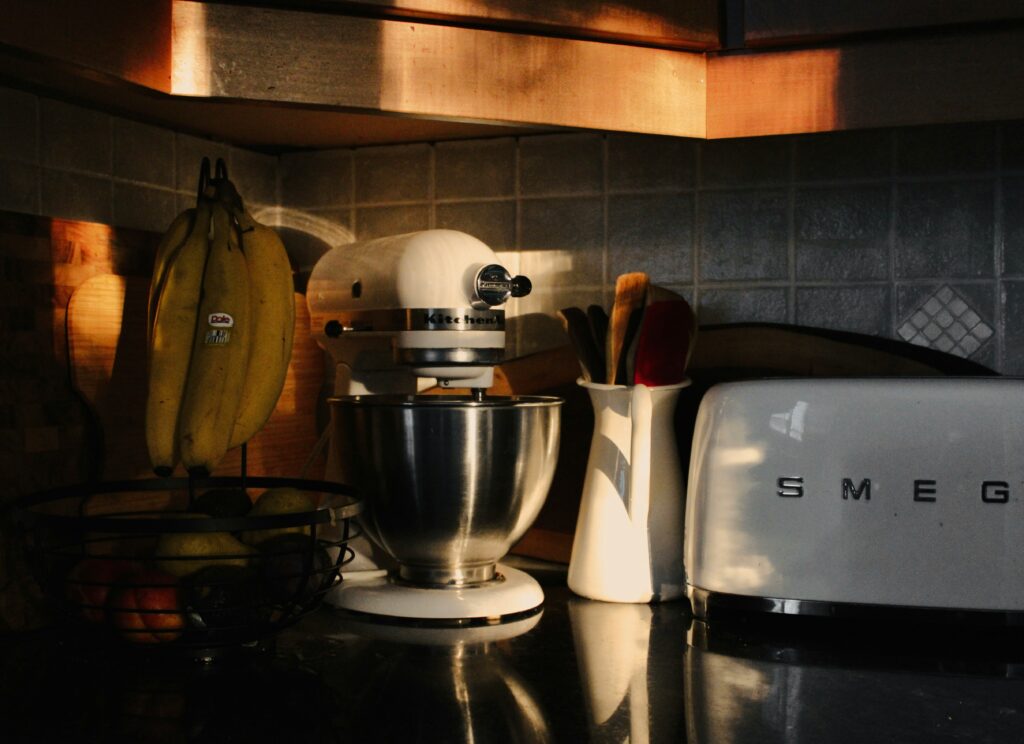
Brands like smeg helped popularize this shift by creating appliances that combine functionality with recognizable visual design.
Why Kitchens Have Become More Personal
The kitchen has evolved far beyond its original practical purpose. In many homes, it is now the most social room in the house. People work there, entertain guests, help children with homework, prepare coffee, and spend casual evenings talking around the counter.
Because kitchens are used so frequently, homeowners naturally want them to feel more personal and inviting.
This emotional connection influences purchasing decisions. Consumers increasingly choose products based not only on performance, but also on how those products contribute to the atmosphere of the space.
A beautifully designed appliance can completely change the mood of a kitchen. It can add warmth, nostalgia, color, or sophistication without requiring a major renovation.
The Influence of Open-Plan Living
Open-plan interiors are one of the main reasons appliance design has become more important. In older homes, kitchens were often separated from living spaces. Appliances stayed relatively hidden from guests and daily social activity.
Modern layouts are different. Kitchens are now highly visible and directly connected to dining and living areas. As a result, appliances have effectively become part of the home’s furniture and décor.
This means visual consistency matters much more than before. Homeowners often coordinate appliances with cabinetry, lighting, and interior color palettes to create cohesive spaces.
Statement appliances work particularly well in minimalist interiors because they provide visual contrast and personality without overwhelming the room.
Retro Styling and Emotional Design
Retro-inspired design has played a major role in the popularity of statement appliances. Rounded edges, polished metal details, and pastel colors create a softer and more approachable aesthetic compared to purely industrial designs.
Many consumers are drawn to appliances that feel timeless rather than aggressively modern. Vintage-inspired styling often creates emotional familiarity and warmth, even in contemporary homes.
This trend reflects a broader shift toward emotional design. People increasingly want objects that improve not only functionality, but also everyday experience.
Coffee machines, kettles, and mixers are now associated with daily rituals and moments of comfort. Their appearance contributes to those experiences more than many consumers previously realized.
Social Media and Visual Kitchens
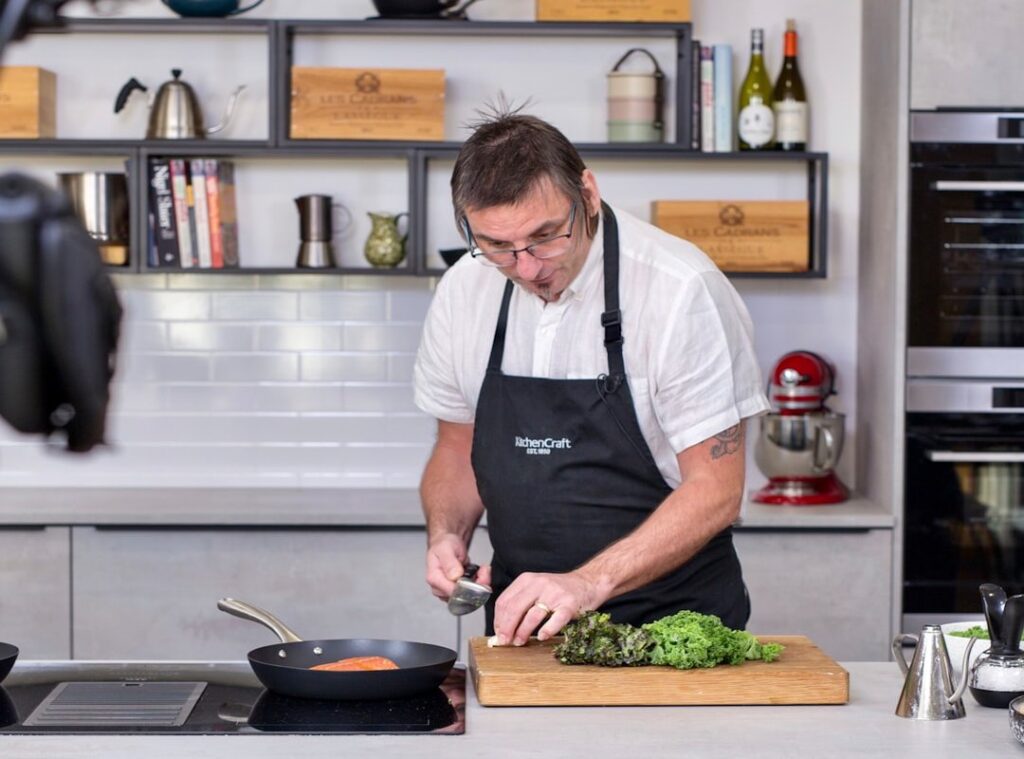
Social media has dramatically accelerated the rise of design-focused kitchens. Platforms like Instagram and Pinterest transformed kitchens into highly photographed spaces. Cooking videos, home tours, and lifestyle content regularly feature countertops and appliances in close detail.
As a result, visual presentation matters more than ever.
Homeowners now think carefully about how their kitchens appear both in person and online. Appliances that stand out aesthetically naturally receive more attention in digital spaces.
This has also influenced younger generations. Many younger homeowners prioritize individuality and visual storytelling within their interiors instead of copying purely minimalist trends.
The Return of Color in Interior Spaces
For years, monochromatic kitchens dominated interior design. White cabinetry, grey surfaces, and black accents created sleek but sometimes emotionally flat environments.
Statement appliances helped reintroduce color into kitchens in a more controlled way.
A single colorful appliance can act as an accent piece while preserving an otherwise neutral palette. Cream, pastel blue, soft green, and deep red remain among the most popular choices because they add warmth without feeling overwhelming.
Interior designers often recommend adding color through movable objects rather than permanent renovations. Appliances offer exactly that flexibility.
Quality and Long-Term Design Thinking
Another reason statement appliances remain popular is durability of design. Consumers increasingly want products that feel timeless rather than trend-dependent.
Many people are moving away from disposable purchasing habits and focusing instead on products they can enjoy for many years. A visually distinctive appliance often feels more intentional and valuable than a generic alternative.
This mindset aligns closely with Scandinavian and European design traditions, where long-term functionality and timeless aesthetics are strongly connected.
Well-designed appliances are also less likely to feel outdated after only a few seasons, which makes them easier to integrate into evolving interiors.
Small Kitchens Benefit the Most
Interestingly, statement appliances often have the greatest impact in smaller kitchens.
In compact apartments, homeowners may not have space for major decorative elements. Appliances therefore become one of the easiest ways to introduce personality into the room.
A carefully selected coffee machine or toaster can create visual interest without occupying additional space.
This approach is especially common in Nordic interiors, where efficient use of space is highly valued.
The Future of Kitchen Design
Kitchen design is becoming increasingly focused on emotional experience rather than pure functionality. Consumers still care deeply about performance and practicality, but they also want kitchens that feel welcoming and expressive.
Statement appliances represent this balance perfectly. They combine useful everyday functionality with visual identity and personality.
As interior design continues evolving, kitchens will likely become even more individualized. Rather than following one universal style, homeowners are mixing modern, vintage, Scandinavian, and industrial influences to create spaces that feel authentic to their lifestyles.
In that environment, appliances are no longer background objects. They have become central design elements that shape how kitchens look, feel, and function every day.