Ever tried to whip up a sunny Mediterranean feast at home, only to stand bewildered in the grocery aisle? You’re not alone. Stocking a pantry for a new cuisine seems daunting, maybe even expensive.
I know because I’ve been there, staring blankly at a list of unfamiliar ingredients. But here’s a secret: the magic isn’t in complicated recipes. It’s in a few high-quality, versatile ingredients.
Trust me, this isn’t some random grocery list. I’ve learned what really matters, and I’m here to share those essentials. You want confidence in your cooking, right?
I’ve got you covered.
This guide is your no-fluff roadmap to Mediterranean pantry staples. By the end, you’ll have a curated list that boosts flavor and versatility. Ready to transform your kitchen?
The Foundation: Olive Oil, Lemons, and Garlic
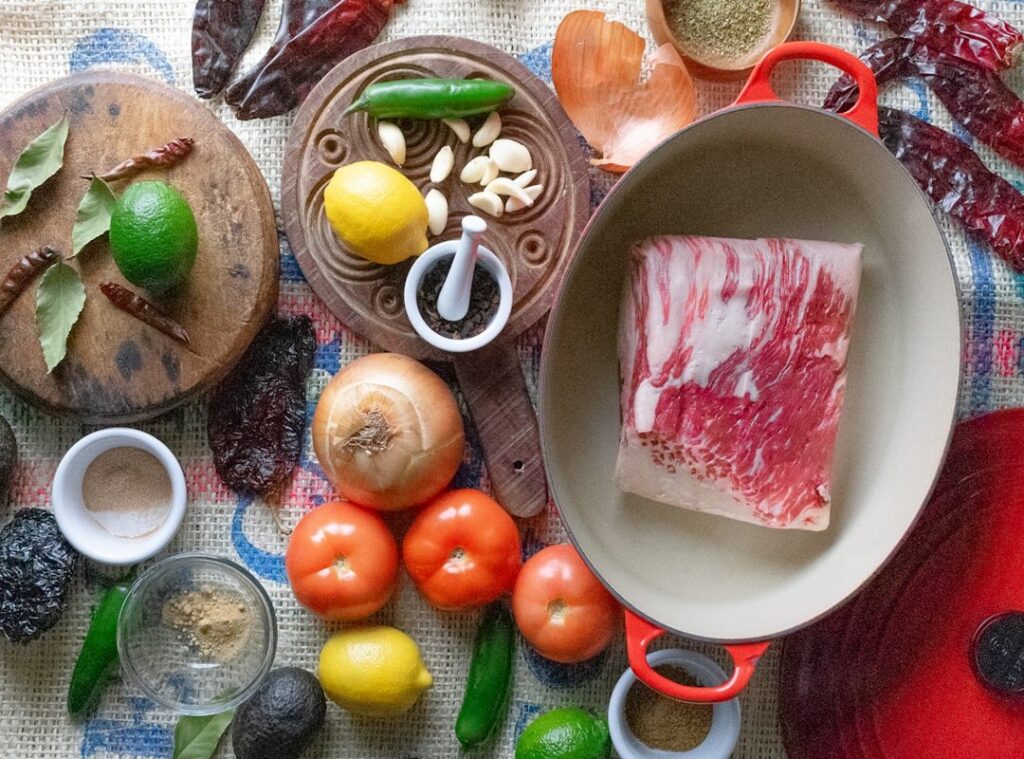
When it comes to Mediterranean pantry staples, there’s a “holy trinity” you can’t ignore: olive oil, lemons, and garlic. You ever notice how these three transform a dish? Olive oil is king here. But not all olive oils are the same.
Extra Virgin Olive Oil (EVOO) that’s dark glass bottled and shows a harvest date is a good start.
Some oils? They’re just for cooking. Others?
They’re for finishing, drizzling over salads and pastas. Trust me, the zing is unmatched.
Then we have lemons. Fresh lemons. Not just for juice, mind you.
The zest is where the magic hides. It adds aromatic oils that brighten dressings and marinades without the punch of acidity. Feel like roasting veggies?
Zest them up. (You’ll thank me later.)
And garlic? Fresh garlic packs a punch you won’t get from jars of pre-minced stuff. It’s a powerhouse of flavor.
Pro tip: need to peel a bunch? Put the cloves in a jar and shake it like a Polaroid picture. Skin pops off!
Want more on culinary essentials? You might check out important ingredients japanese cooking. They have some surprising staples, too.
Pantry Power: Grains, Pulses, and Canned Goods
Let’s talk about Mediterranean pantry staples. They’re the shelf-stable backbone of countless meals. Ever whipped up a quick weeknight salad or a hearty stew?
You probably leaned on these essentials. I sure do. For pulses, canned chickpeas are king.
They make hummus, add bite to salads, and bulk up stews. Dried lentils, especially brown or green, are my go-to for soups. You get texture, protein, and that authentic feel.
Now, grains. What’s faster than couscous? Almost nothing.
It’s perfect for those nights when time’s short. Bulgur wheat might take a tad longer but its nutty texture in tabbouleh is a win. And orzo?
It’s like the chameleon of pasta. Throw it in a salad or soup (it just works).
Then, canned goods. Whole peeled tomatoes are your best bet. More versatile than diced or crushed, they’re the base for many sauces.
Kalamata olives and capers are what I call “flavor bombs.” They raise simple dishes to something memorable.
Curious about what else to stock? Check out this mediterranean ingredients guide: my go-to grocery list. It’s a lifesaver for building a versatile pantry that can handle whatever Mediterranean craving hits you.
Pro tip: always keep an extra can of chickpeas at hand. You’ll thank me later.
The Flavor Makers: Important Herbs and Spices
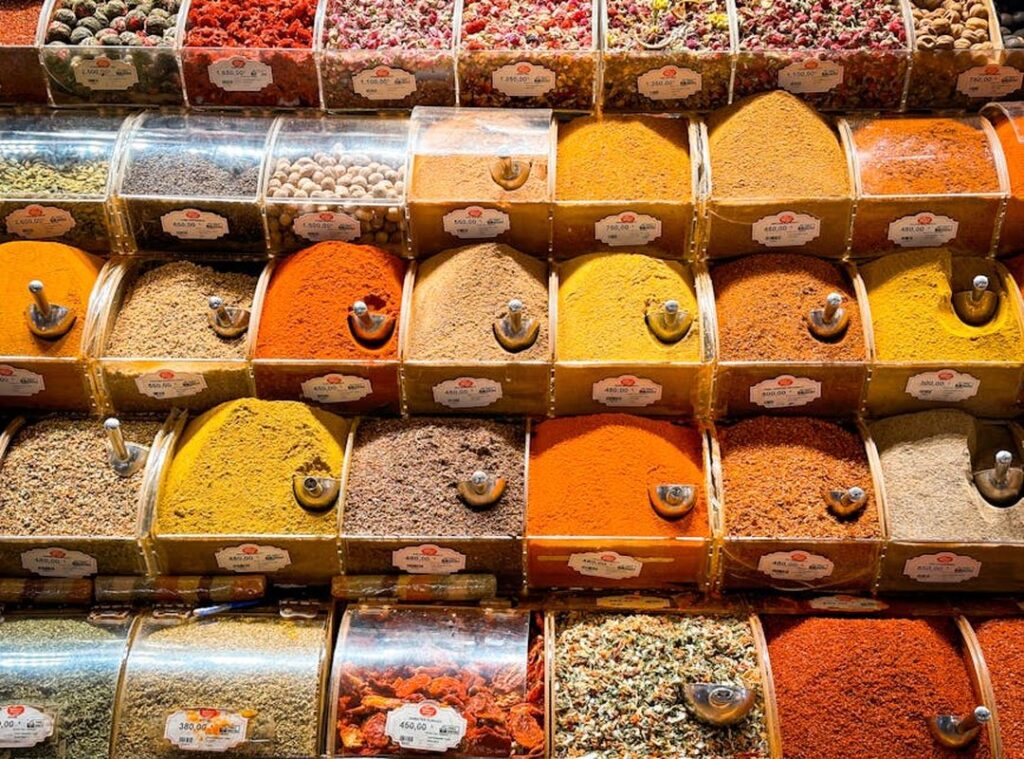
to the aromatic heart of Mediterranean cuisine. This is where basic ingredients turn into culinary magic. Dried herbs like Greek oregano, thyme, and bay leaves are your best friends in slow-cooked dishes.
They infuse the food with flavors that transport you right to a bustling Greek market. Ever tried bay leaves in a stew? It’s a game changer.
Fresh herbs bring a different kind of life. Flat-leaf parsley, mint, and dill add that extra pop to salads and sauces. You know the feeling when a dish just needs that little something? these fresh herbs come in.
They’re the unsung heroes in grilled foods, providing a burst of freshness that can’t be matched.
And don’t even get me started on Za’atar. This quintessential spice blend is a must-try, whether you buy it or whip it up yourself.
Now, let’s talk spices. Cumin, coriander, and smoked paprika are what make North African and Eastern Mediterranean dishes sing. Think warm and earthy notes that redefine “comfort food.” Smoked paprika in particular adds a depth that’s downright addictive.
Want to expand your culinary horizons further? Check out Exploring Important Mexican Ingredients for a taste of something different yet equally captivating. Mediterranean pantry staples truly set the stage for unforgettable meals.
From the Fresh Aisle: Vegetables, Cheese, and Yogurt
You ever notice how some vegetables just stick around in your fridge? They’re the Mediterranean pantry staples that make cooking more than just bearable. Ripe tomatoes, cucumbers, bell peppers, and red onions are the workhorses.
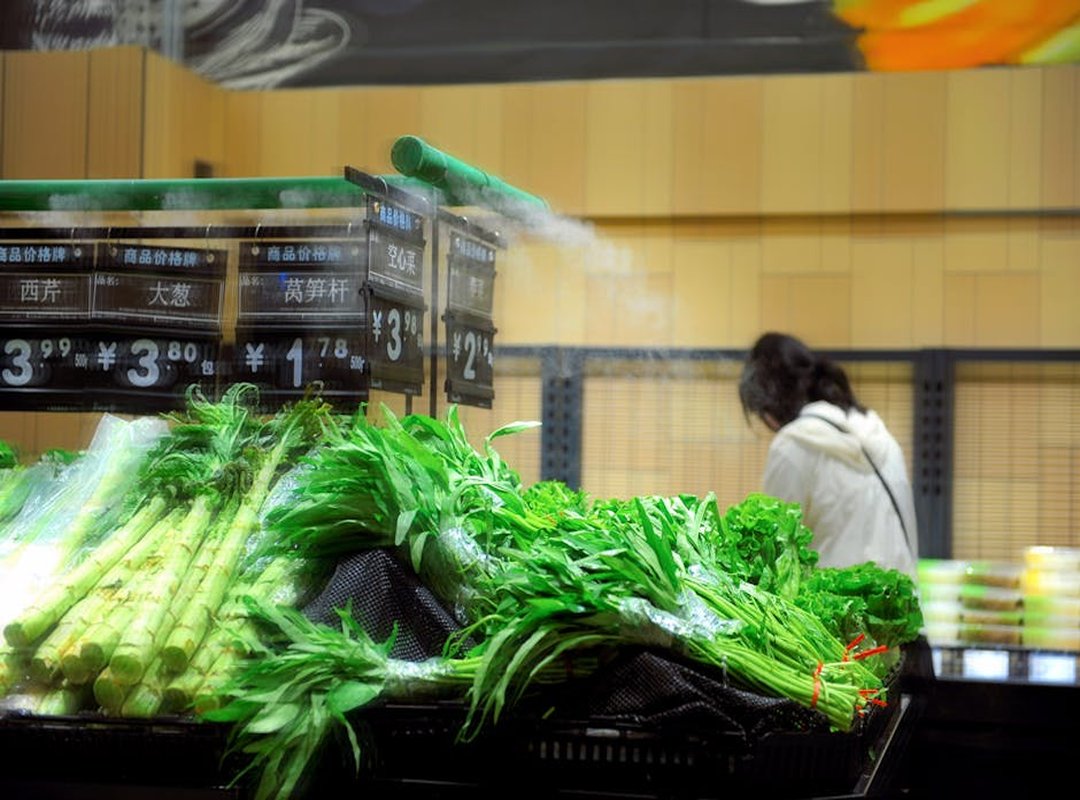
They’re raw in salads or cooked into everything from stews to stir-fries. Trust me, they’re your best friends in the kitchen.
Now, let’s talk cheese. Feta cheese is a game-changer. Its salty, briny character adds depth to just about anything.
Crumble it on salads, bake it with your veggies, or whip it into a dip. It’s like the of cheese (but tastier). You’ll wonder how you ever lived without it.
It’s the base for sauces like tzatziki and a tenderizer for meats. Plus, it cools down spicy dishes like a charm. Ever had too much chili?
Then there’s Greek yogurt. Full-fat and plain is the way to go. Why?
Greek yogurt to the rescue. It’s a multitasker that earns its place in the fridge.
These ingredients aren’t just foods (they’re) essentials. They’re the backbone of countless dishes. Keep them on hand, and you’ll always have something delicious up your sleeve.
The Right Tools for the Job: Simple, Important Cookware
You don’t need a kitchen full of expensive gadgets. Seriously, who has the space or the cash for that? Focus on the essentials.
First off, get yourself a good Chef’s Knife. One sharp, comfortable knife is worth ten dull ones. Trust me, it’s a game-changer.
Next, a large, heavy-bottomed skillet or sauté pan. This thing does it all. Searing meats, simmering tomato sauces, you name it.
And it won’t warp like those cheap pans. You want versatility? This is it.
A large cutting board is a must. More space means safer prep and more enjoyable cooking. Who wants to feel cramped when they’re cutting?
Not me.
Now, let’s talk about a simple lemon juicer or reamer. It’s small but mighty. You get so much more juice than just squeezing by hand.
Plus, it’s cheap.
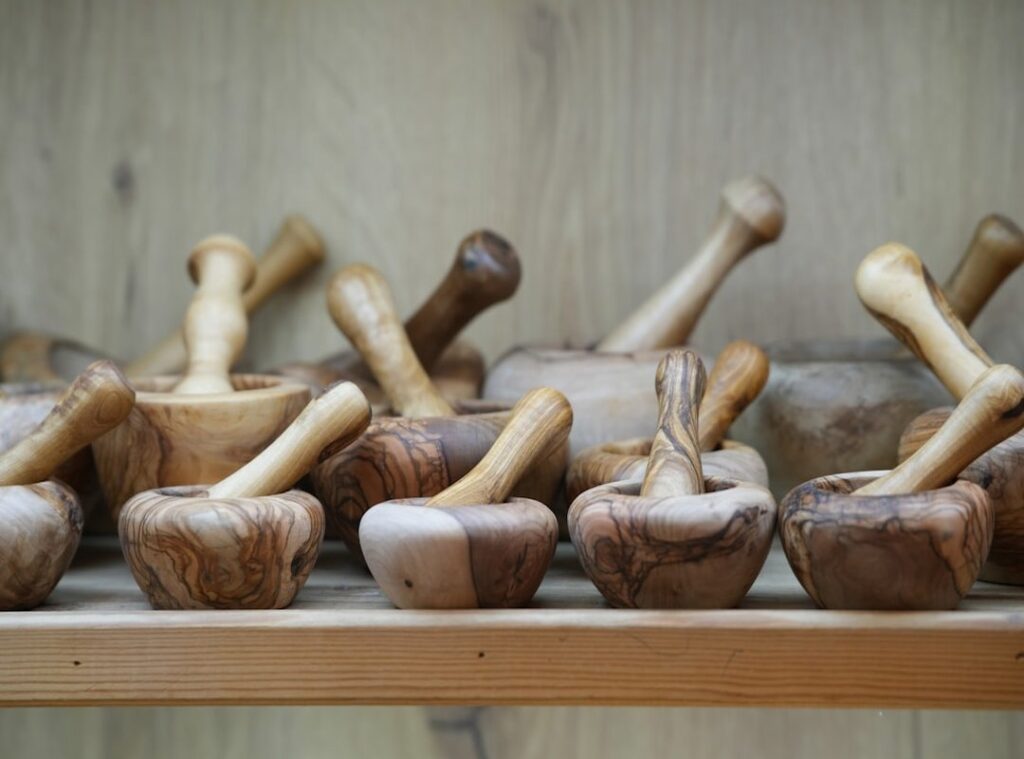
If you really want to up your game, consider a mortar and pestle. Crush whole spices and garlic to release their important oils. Your dishes will thank you.
It’s like taking a trip to the Mediterranean with all those pantry staples.
Pro tip: Keep these tools within reach. You’ll use them more often than you think.
Dive Into Mediterranean Magic
Creating an authentic Mediterranean kitchen isn’t about overflowing your pantry. It’s about having the Mediterranean pantry staples. Feeling overwhelmed?
Gone. Now you have a clear, simple shopping list. These essentials are your versatile building blocks for endless healthy meals.
Why complicate it? Pick one category like “The Foundation” and grab those three items next time you shop. Ready to make your culinary life simpler?
This curated list promises to transform your meals quickly. Start now. Find your Mediterranean vibe today, and watch your kitchen come alive.
Trust me, you’ll love the transformation. Visit falotani.net for more.
 Culinary Content Strategist
Heather Woodstingser is the kind of writer who genuinely cannot publish something without checking it twice. Maybe three times. They came to culinary pulse through years of hands-on work rather than theory, which means the things they writes about — Culinary Pulse, Falotani Fusion Dishes, Flavor Pairing Techniques, among other areas — are things they has actually tested, questioned, and revised opinions on more than once.
That shows in the work. Heather's pieces tend to go a level deeper than most. Not in a way that becomes unreadable, but in a way that makes you realize you'd been missing something important. They has a habit of finding the detail that everybody else glosses over and making it the center of the story — which sounds simple, but takes a rare combination of curiosity and patience to pull off consistently. The writing never feels rushed. It feels like someone who sat with the subject long enough to actually understand it.
Outside of specific topics, what Heather cares about most is whether the reader walks away with something useful. Not impressed. Not entertained. Useful. That's a harder bar to clear than it sounds, and they clears it more often than not — which is why readers tend to remember Heather's articles long after they've forgotten the headline.
Culinary Content Strategist
Heather Woodstingser is the kind of writer who genuinely cannot publish something without checking it twice. Maybe three times. They came to culinary pulse through years of hands-on work rather than theory, which means the things they writes about — Culinary Pulse, Falotani Fusion Dishes, Flavor Pairing Techniques, among other areas — are things they has actually tested, questioned, and revised opinions on more than once.
That shows in the work. Heather's pieces tend to go a level deeper than most. Not in a way that becomes unreadable, but in a way that makes you realize you'd been missing something important. They has a habit of finding the detail that everybody else glosses over and making it the center of the story — which sounds simple, but takes a rare combination of curiosity and patience to pull off consistently. The writing never feels rushed. It feels like someone who sat with the subject long enough to actually understand it.
Outside of specific topics, what Heather cares about most is whether the reader walks away with something useful. Not impressed. Not entertained. Useful. That's a harder bar to clear than it sounds, and they clears it more often than not — which is why readers tend to remember Heather's articles long after they've forgotten the headline.