If you’re looking to elevate everyday cooking with global flavors, smarter techniques, and creative recipe twists, you’re in the right place. This article explores how to build a world-inspired pantry, master flavor pairing techniques, and create bold fusion dishes without overcomplicating your time in the kitchen. Many home cooks struggle to balance authenticity with creativity or adapt recipes using what they already have. Here, you’ll find practical guidance to help you combine global food essentials, improve kitchen efficiency, and confidently adjust recipes to suit your taste and ingredients on hand.
Our insights are grounded in extensive culinary research, hands-on recipe testing, and analysis of traditional and modern cooking methods from diverse cuisines. The goal is simple: give you clear, reliable strategies that make global cooking approachable, flexible, and deeply flavorful—whether you’re experimenting with fusion or refining your everyday meals.
Unlock a World of Flavor From Your Kitchen
A single splash of fish sauce can turn bland soup into something deeply savory. A spoonful of miso can add umami—that rich, satisfying depth—to roasted vegetables. Small additions, big impact.
If you’re stuck cooking the same three dinners, you’re not alone. Exploring global cuisines can feel overwhelming (who has room for 50 specialty bottles?). The solution isn’t more recipes—it’s smarter staples.
This guide gives you a blueprint for building a world-inspired pantry with versatile essentials. Focus on:
- Fermented boosters (miso, soy sauce)
- Aromatic spices (cumin, coriander)
- Acid hits (rice vinegar, lime)
With these, you can adapt almost any dish.
The Foundational Five: Your Global Flavor Base
Every great dish starts with a few quiet heroes. Think of these five as the backbone of your world-inspired pantry.
First, high-quality soy sauce. “It’s not just for stir-fries,” a chef once told me. He splashes it into beef stew and even tomato sauce. Why? Umami—the savory depth that makes food taste fuller (scientists describe umami as the fifth basic taste). A dash in marinades or gravies can replace extra salt while adding complexity.
Next, toasted sesame oil. Unlike neutral oils, this is a finishing oil—meaning you add it at the end for aroma. Just a few drops bring nutty warmth to Korean bibimbap, Middle Eastern salads, or even roasted vegetables.
Then there’s full-fat coconut milk. Shake the can and you’ve got built-in creaminess for Thai soups, Indian curries, or Caribbean stews. “Always go full-fat,” my neighbor insists. “Light just tastes light.”
Of course, you need a versatile cooking oil. Avocado or grapeseed oil handles high heat without smoking (high smoke point means it won’t burn quickly), making it ideal for searing across cuisines.
Finally, an acidic counterpart—rice vinegar or apple cider vinegar. Acidity balances richness in sauces and dressings. In other words, it keeps everything from tasting flat.
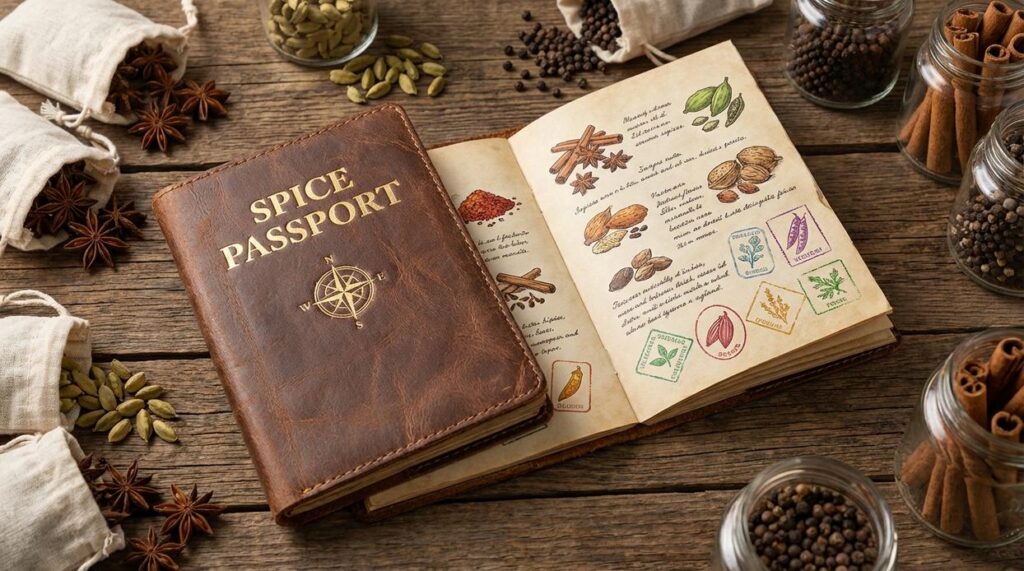
The Spice Drawer Passport: Aromatic Essentials

A crowded spice drawer can feel intimidating (like opening a novel halfway through). Grouping spices by flavor profile—meaning their dominant taste and aroma characteristics—turns confusion into confidence. The payoff? Faster cooking decisions, bolder flavors, and a world-inspired pantry that works for you.
The Warm & Earthy Trio
Cumin, coriander, and turmeric form a foundational trio across Indian, Middle Eastern, and Latin American cuisines. Cumin brings a nutty, slightly smoky depth. Coriander (the seed of the cilantro plant) adds citrusy brightness. Turmeric delivers earthy bitterness and golden color, thanks to curcumin, its active compound (studied for anti-inflammatory properties; see NIH research).
Together, they build curries, shawarma rubs, and taco fillings with layered warmth. Some argue pre-made blends save time—and they can—but blending your own lets you control salt and intensity. The benefit? More authentic flavor and flexibility across dishes.
The Smoky & Pungent Group
Smoked paprika, dried oregano, and red pepper flakes bring bold personality. Smoked paprika (made from dried, smoked peppers) defines Spanish paella. Oregano anchors Mediterranean sauces. Red pepper flakes add heat to Mexican salsas or pizza night (yes, even that counts as culinary exploration).
These spices elevate simple ingredients—beans, tomatoes, grilled vegetables—into crave-worthy meals with minimal effort.
The Sweet & Aromatic Spices
Cinnamon sticks, star anise, and cardamom pods shine in both savory and sweet dishes. Star anise perfumes Vietnamese pho. Cardamom brightens Indian chai. Cinnamon deepens stews and desserts alike.
Their versatility means fewer jars, more impact.
Kitchen Efficiency Tip: Buy whole spices and grind as needed. Whole spices retain volatile oils longer, preserving flavor (Harvard T.H. Chan School of Public Health notes spices lose potency once ground). The result? Fresher taste and better value.
For deeper guidance, explore essential spices from around the world and how to use them.
Instant Depth with Flavor Concentrates
Flavor concentrates are high-impact ingredients that deliver layers of savory complexity fast. Think of them as shortcuts for your world-inspired pantry: small spoonful, big transformation.
Some purists argue they replace “real” cooking. Yet in reality, they often amplify technique rather than erase it.
Miso paste, especially white shiro, is more than soup base. Whisk it into creamy dressings, brush it onto salmon, or toss with roasted vegetables for caramelized depth.
Meanwhile, gochujang blends sweet, savory, and chili heat. It anchors marinades, punches up dipping sauces, and gives stews that slow-burn warmth K-drama fans would recognize.
Harissa follows with smoky, fiery confidence, transforming roasted carrots or grilled chicken into something borderline addictive.
And then there’s fish sauce—the umami bomb. Just a few drops balance sweet, sour, and spicy elements in Thai and Vietnamese dishes.
Looking ahead, it’s reasonable to speculate that these pastes will become weeknight staples, not niche imports. As global palates expand, flavor concentrates may rival olive oil in everyday cooking. That’s speculation, of course, but the trend already simmers.
Pro tip: start small and taste as you go. They’re potent, and restraint keeps dishes balanced, not overpowering. Depth beats heat every time. Almost.
Carbohydrates are the quiet heroes of every global table. In my kitchen, they’re the first thing I reach for when building a world-inspired pantry. Take aromatic rice. Jasmine, soft and slightly floral, belongs beside Thai curries and Vietnamese grilled meats. Basmati, long and nutty, is non‑negotiable for Indian biryani or Middle Eastern pilaf. Some argue rice is interchangeable; I disagree. The aroma alone changes the dish.
For quick protein, I swear by red lentils and canned chickpeas. Red lentils collapse into silky dals in under 20 minutes, while chickpeas bulk up salads and curries without fuss. Dried beans have their fans, but convenience wins on busy nights.
Couscous and quinoa are my neutral canvases. Couscous steams in five minutes for tagines; quinoa adds a gentle bite to South American–style bowls.
And noodles? Rice vermicelli and soba are weeknight magic—equally at home in brothy soups, fast stir‑fries, or chilled salads everywhere.
Your Culinary Adventure Starts Now
You now have a strategic roadmap for building a world-inspired pantry—one that can power dozens of global dishes without extra midweek grocery runs. That means fewer “what’s for dinner?” standoffs and far less boring weeknight meal syndrome (you know the one).
This isn’t about hoarding exotic ingredients. It’s about:
- Smart staples with long shelf lives
- Versatile sauces that layer flavor fast
- Spices that transform the same base ingredients into entirely new cuisines
A well-stocked pantry delivers efficiency and creative control. Next trip, pick just one new ingredient and adapt a favorite recipe with it. Start small. Start tonight.
Bring Global Flavor Into Your Everyday Cooking
You set out to understand how to build a more versatile, exciting kitchen—and now you have the tools to do it. With the right ingredients, smart flavor pairings, and a flexible approach to recipes, creating memorable meals no longer feels overwhelming.
Cooking fatigue often comes from the same repetitive flavors and inefficient prep routines. By building a world-inspired pantry, experimenting with thoughtful fusion, and adapting recipes to what you already have, you eliminate guesswork and bring creativity back into your kitchen.
Now it’s time to take action. Start by choosing three global staples to add to your pantry this week and test one new flavor pairing in your next meal. If you’re ready to stop making bland, predictable dishes and start cooking with confidence, explore our proven techniques and kitchen strategies today. Thousands of home cooks rely on our flavor-forward guidance to simplify meals and elevate taste—join them and transform your everyday cooking now.