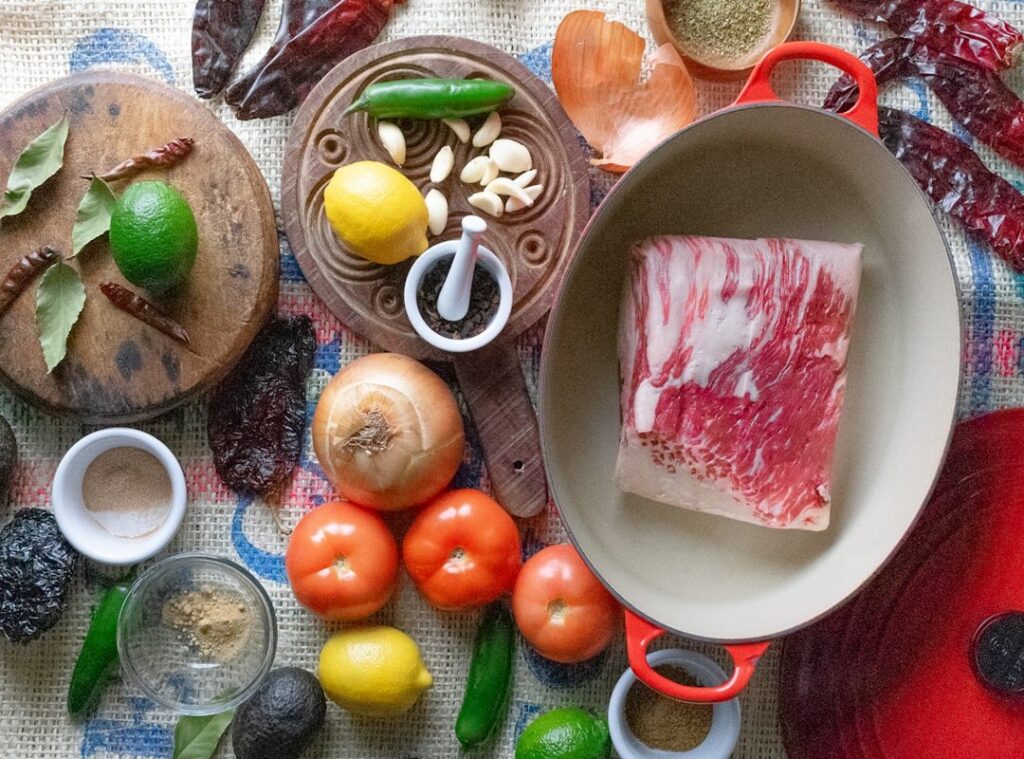
Dubai is one of the best cities in the world for travelers who enjoy discovering a destination through food. Emirati traditions, Middle Eastern classics, Indian and Pakistani cuisine, Asian restaurants, European influences, and experimental fine dining all exist side by side, making the city feel like a constantly changing global tasting menu.
Because many of Dubai’s most interesting restaurants and food districts are spread across different parts of the city, travelers who want more flexibility may choose to rent car dubai and build their own culinary route. Having independent transport can make it easier to combine traditional neighborhoods, modern dining districts, markets, cafés, and waterfront restaurants in the same trip.
Start with Emirati Cuisine
A food-focused trip to Dubai should begin with local flavors.
Emirati cuisine reflects the geography and history of the region, with rice, seafood, meat, dates, spices, and slow-cooked dishes forming an important part of the culinary tradition.
Visitors may encounter dishes such as:
- machboos;
- harees;
- grilled fish;
- meat stews;
- Arabic breads;
- date-based desserts.
Spices including cardamom, saffron, cinnamon, and turmeric frequently appear in traditional recipes.
Trying local food first also provides useful context before exploring the many international cuisines available across Dubai.
Discover the Influence of South Asia
Dubai’s food culture has been deeply influenced by communities from India, Pakistan, Bangladesh, and Sri Lanka.
That influence is visible everywhere from casual restaurants to sophisticated modern dining.
Travelers can explore:
- biryani;
- curries;
- dosa;
- grilled meats;
- chaats;
- breads;
- regional rice dishes.
One of the best approaches is to move beyond only the most famous restaurants.
Smaller neighborhood establishments can provide memorable meals at very different price points.
Explore the Spice Markets
Anyone interested in cooking should make time for Dubai’s markets.
Spice stalls can be filled with aromas from saffron, cardamom, cinnamon, dried herbs, pepper, and regional seasoning blends.
Even if you do not plan to cook during the trip, exploring these ingredients provides a better understanding of the flavors used throughout Middle Eastern cuisine.
It can also inspire recipes once you return home.
When purchasing spices, ask questions about origin, storage, and typical uses.
The story behind an ingredient can be as interesting as the ingredient itself.
Taste Different Varieties of Dates
Dates are closely connected with food culture across the region.
Visitors who think all dates taste the same may be surprised by how much varieties can differ.
Some are soft and caramel-like, while others are firmer or less sweet.
They can be enjoyed alone or paired with:
- nuts;
- coffee;
- chocolate;
- cheese;
- desserts.
Trying several varieties side by side is a simple way to explore flavor differences.
Dates are also relatively easy to bring home as a culinary souvenir.
Give Arabic Coffee a Proper Try
Arabic coffee is more than just a caffeine source.
It is part of regional hospitality traditions.
The flavor may be different from the stronger coffee styles many travelers are used to.
Cardamom is often noticeable, and the drink is commonly served in small cups.
Rather than ordering it simply because it appears on a menu, take time to enjoy it alongside dates or a light dessert.
Understanding the serving tradition makes the experience more meaningful.
Explore Dubai’s Café Culture
Dubai has developed an impressive modern café scene.
Specialty coffee, creative desserts, breakfast menus, and highly designed interiors have turned cafés into destinations of their own.
A café visit can also provide a useful break during a busy day.
Try exploring cafés in different neighborhoods rather than visiting only international chains.
Local and independent venues often experiment more with:
- regional ingredients;
- specialty coffee;
- pastries;
- fusion desserts;
- seasonal menus.
Try Middle Eastern Mezze
Mezze is ideal for travelers who want to explore several flavors in one meal.
Instead of ordering a single large dish, a table can be filled with smaller plates designed for sharing.
These may include:
- hummus;
- moutabal;
- labneh;
- tabbouleh;
- fattoush;
- stuffed vine leaves;
- grilled vegetables;
- breads.
Sharing multiple dishes allows everyone at the table to experience more variety.
It also makes the meal more social.
Follow the City’s International Communities
One of Dubai’s greatest culinary strengths is the diversity of the people who live there.
Instead of thinking about Dubai as offering a single cuisine, think of it as a place where many food traditions meet.
Depending on the neighborhood, you might discover:
- Filipino food;
- Iranian cuisine;
- Lebanese dishes;
- Japanese restaurants;
- Korean barbecue;
- African cooking;
- Turkish cuisine;
- Mediterranean food.
A good culinary itinerary should take advantage of this diversity.
Try Fusion Cuisine
Dubai is also a natural environment for fusion cooking.
Chefs have access to ingredients, techniques, and influences from many different cultures.
That creates opportunities for dishes that combine traditions in unexpected ways.
Examples might involve:
- Middle Eastern ingredients with Asian techniques;
- European desserts flavored with regional spices;
- modern versions of traditional Gulf dishes;
- cross-cultural street-food concepts.
Fusion works best when the original flavors remain recognizable rather than being combined simply for novelty.
For curious diners, Dubai offers plenty of opportunities to see how chefs approach that balance.
Don’t Ignore Simple Restaurants
It is easy to associate Dubai exclusively with luxury dining.
But some of the most enjoyable meals can come from much simpler places.
Small restaurants, cafeterias, bakeries, and casual neighborhood spots often provide excellent food without elaborate presentation.
These meals can also help balance the cost of more expensive dining experiences.
Instead of booking every meal in advance, leave space to explore.
Build Each Day Around One Food Area
Dubai is large enough that constantly crossing the city can become tiring.
A smarter strategy is to combine food and sightseeing geographically.
Choose one neighborhood or general area and explore several places nearby.
For example, your day might include:
- breakfast at a café;
- sightseeing;
- lunch at a regional restaurant;
- a market visit;
- coffee or dessert;
- dinner nearby.
This creates a more relaxed rhythm and reduces unnecessary travel.
Make One Dinner Special
You do not need to choose expensive restaurants every night.
Instead, select one memorable dining experience during the trip.
This could be:
- a tasting menu;
- a rooftop restaurant;
- a waterfront dinner;
- a restaurant focused on Emirati cuisine;
- a creative fusion concept.
Making one meal a highlight often creates a stronger memory than trying to make every dinner extravagant.
Learn from the Ingredients
Culinary travel becomes more interesting when you start noticing recurring ingredients.
Pay attention to flavors such as:
- cardamom;
- saffron;
- tahini;
- dates;
- rose water;
- pistachios;
- sumac;
- za’atar.
Once you recognize them, you begin to notice how different restaurants use the same ingredient in completely different ways.
That kind of observation can also improve your own cooking.
Bring the Experience Back to Your Kitchen
One of the best parts of food-focused travel is bringing new ideas home.
You do not need to reproduce restaurant dishes exactly.
Instead, borrow smaller ideas.
Maybe you discovered that cardamom works well in a dessert, or that a particular spice blend transforms grilled vegetables.
Perhaps you enjoyed the balance between sweet and savory in a regional dish.
Use those memories as inspiration.
Travel should expand the way you think about food, not simply provide a list of meals you once ate.
Final Thoughts
Dubai rewards food lovers because its culinary identity is built on both tradition and constant exchange.
Local Emirati dishes exist alongside cuisines brought by communities from around the world, while modern chefs continue experimenting with new combinations.
The best way to experience that diversity is to stay curious.
Try traditional food, explore markets, visit neighborhood restaurants, experiment with unfamiliar flavors, and leave enough flexibility for unexpected discoveries.
For travelers who enjoy understanding a place through what people cook and eat, Dubai offers far more than a few famous restaurants. It offers an entire culinary landscape shaped by movement, culture, and creativity.
 Kitchen Efficiency & Innovation Specialist
Graham Royalimores is the kind of writer who genuinely cannot publish something without checking it twice. Maybe three times. They came to culinary pulse through years of hands-on work rather than theory, which means the things they writes about — Culinary Pulse, Falotani Fusion Dishes, Flavor Pairing Techniques, among other areas — are things they has actually tested, questioned, and revised opinions on more than once.
That shows in the work. Graham's pieces tend to go a level deeper than most. Not in a way that becomes unreadable, but in a way that makes you realize you'd been missing something important. They has a habit of finding the detail that everybody else glosses over and making it the center of the story — which sounds simple, but takes a rare combination of curiosity and patience to pull off consistently. The writing never feels rushed. It feels like someone who sat with the subject long enough to actually understand it.
Outside of specific topics, what Graham cares about most is whether the reader walks away with something useful. Not impressed. Not entertained. Useful. That's a harder bar to clear than it sounds, and they clears it more often than not — which is why readers tend to remember Graham's articles long after they've forgotten the headline.
Kitchen Efficiency & Innovation Specialist
Graham Royalimores is the kind of writer who genuinely cannot publish something without checking it twice. Maybe three times. They came to culinary pulse through years of hands-on work rather than theory, which means the things they writes about — Culinary Pulse, Falotani Fusion Dishes, Flavor Pairing Techniques, among other areas — are things they has actually tested, questioned, and revised opinions on more than once.
That shows in the work. Graham's pieces tend to go a level deeper than most. Not in a way that becomes unreadable, but in a way that makes you realize you'd been missing something important. They has a habit of finding the detail that everybody else glosses over and making it the center of the story — which sounds simple, but takes a rare combination of curiosity and patience to pull off consistently. The writing never feels rushed. It feels like someone who sat with the subject long enough to actually understand it.
Outside of specific topics, what Graham cares about most is whether the reader walks away with something useful. Not impressed. Not entertained. Useful. That's a harder bar to clear than it sounds, and they clears it more often than not — which is why readers tend to remember Graham's articles long after they've forgotten the headline.