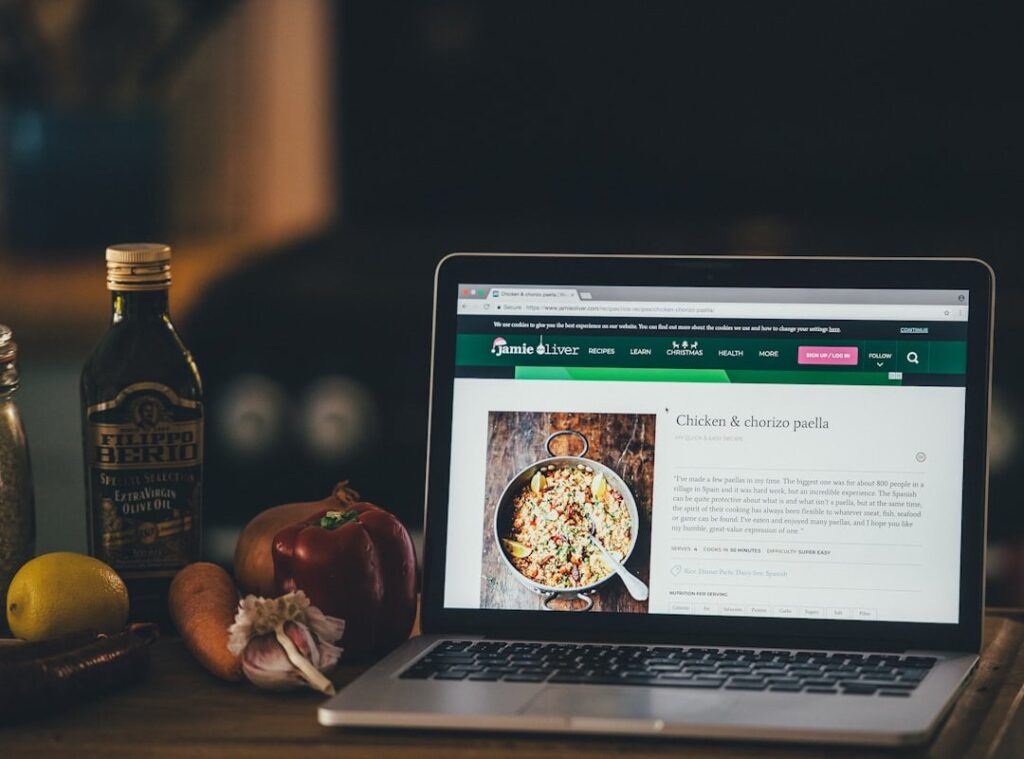

If you’re searching for practical ways to elevate everyday cooking while exploring global flavors, you’re in the right place. This article is designed to help you understand essential ingredients from around the world, master smart flavor pairing techniques, and confidently create fusion dishes that feel both exciting and balanced. Whether you want to improve kitchen efficiency or experiment with seasonal recipe modifications, you’ll find clear, actionable guidance tailored to real home cooks.
We draw on extensive culinary research, tested cooking methods, and hands-on recipe development to ensure every tip is reliable and easy to apply. Instead of vague inspiration, you’ll get structured insights into how flavors interact, how to adapt recipes without compromising taste, and how to make the most of what’s available in your pantry.
By the end, you’ll not only understand the “why” behind great dishes—you’ll have the tools to recreate and reinvent them with confidence.
Your favorite recipe earned its spot for a reason. Still, when July heat replaces January frost, that creamy casserole can feel oddly heavy. I can’t pretend there’s a single rulebook for fixing this—taste is personal, and even chefs debate how far to tweak a classic. Yet seasonal recipe modifications offer a practical starting point.
For example, swap roasted root vegetables for grilled zucchini in summer, or trade citrus zest for warming spices in winter. Meanwhile, lighter cooking methods—like blanching instead of braising—keep flavors aligned with the weather. You might experiment. You might adjust again. That’s part of the craft anyway.
The Core Principles: Flavor, Texture, and Technique
For a refreshing twist on your seasonal dishes, try incorporating herbs and fruits from your garden, and don’t forget to explore how these vibrant flavors can be complemented by unique beverages like the ones in our article on Jalbitedrinks Liquor Recipes By Justalittlebite.
I remember the first time I ruined a summer tomato dish by slow-roasting it for an hour. The flavor was fine—but the brightness was gone. That’s when it clicked: true seasonal cooking isn’t just swapping ingredients; it’s aligning flavor, texture, and technique with the weather (yes, the weather).
First, let’s define technique: the method used to apply heat and transform ingredients. In July, I lean on high-heat grilling and quick stir-fries. In January, I braise and roast. The method changes the dish’s character entirely.
| Season | Technique | Flavor Direction |
|---|---|---|
| Summer | Grilling, Sautéing |
Bright, acidic, herbaceous |
| Winter | Braising, Roasting | Deep, warming, savory |
Meanwhile, the flavor palette shifts. Warm months call for lemon, basil, and cilantro. Cold months welcome cinnamon, rosemary, and smoked paprika. These aren’t random choices; they mirror what our bodies crave (comfort vs. refreshment).
Some argue good food is good food year-round. Fair. But seasonal alignment enhances efficiency—produce tastes better, costs less, and needs less fuss. Pro tip: when ingredients are at peak, simplify the recipe.
Use seasonal recipe modifications in the section once exactly as it is given
Ultimately, cooking with the seasons isn’t restrictive—it’s responsive. And that responsiveness transforms good dishes into unforgettable ones.
Lightening Up: Adapting Dishes for Spring and Summer
When temperatures rise, heavy winter meals can feel like wearing a wool coat in July. The solution isn’t reinventing your kitchen—it’s making SMART SWAPS.
The Great Swap – Fats and Liquids
Heavy cream and butter add richness, but they can mute fresh flavors. Try this instead:
- Replace cream with Greek yogurt for tang and protein.
- Swap butter for extra-virgin olive oil (use 3/4 the amount).
- Brighten sauces with citrus juice or zest.
- Use flavorful broths and reserved pasta water to create silkiness without heaviness.
Pro tip: Add lemon at the END of cooking to keep its flavor vibrant.
Example – Adapting a Creamy Pasta
Traditional carbonara often leans rich and heavy. For a spring version:
- Sauté asparagus and peas in olive oil.
- Toss hot pasta with vegetables.
- Add lemon zest and a splash of pasta water.
- Stir in a small spoonful of yogurt for creaminess.
The starch in the pasta water emulsifies the sauce (that’s chef-speak for helping fat and liquid blend smoothly). The result? LIGHTER, brighter, still satisfying.
From Root Veggies to Fresh Greens
Instead of roasting potatoes or parsnips for an hour, try:
- Zucchini ribbons
- Bell peppers
- Spinach
- Fresh herbs like basil and mint
These cook quickly and keep texture intact.
Embrace Raw and Quick-Cooked
Shift from slow roasting to quick sautés or grilling. Use raw tomatoes in salsas, shaved fennel in salads, or fresh herbs as garnish. These seasonal recipe modifications preserve crispness and nutrients (Harvard T.H. Chan School of Public Health notes that shorter cooking times can retain more water-soluble vitamins).
For more smart swaps, explore this detailed substitution guide practical recipe adaptation ideas for home cooks: https://falotani.net/substitution-guide-practical-recipe-adaptation-ideas-for-home-cooks/
Building Depth: Fortifying Recipes for Autumn and Winter

As temperatures drop, our cravings shift. Crisp salads and bright citrus give way to roasted aromas and slow-simmered comfort. That transformation hinges on one scientific superstar: the Maillard reaction—the chemical process where heat turns proteins and sugars into deeply browned, complex flavors (Harold McGee, On Food and Cooking). In practical terms, it’s why roasting, searing, and caramelizing make food taste richer. Think of the difference between a pale boiled potato and one roasted to golden edges (there’s no contest).
Of course, some argue lighter cooking preserves nutrients and subtle flavors. True. But autumn cooking isn’t about subtlety—it’s about depth and satisfaction. A quick sear on chicken or a high-heat roast for squash builds layers you simply can’t get from steaming.
Take a summer chicken salad. Swap poached chicken for roasted thighs. Add caramelized onions and cubes of roasted squash. Toss in toasted walnuts and finish with a warm cider vinaigrette. Suddenly, it’s hearty enough for a chilly evening. Use seasonal recipe modifications in the section once exactly as it is given
Next, consider warming spice blends. Cinnamon and nutmeg enhance savory braises (not just pies), while cumin and coriander amplify roasted root vegetables. These spices add warmth without aggressive heat—comfort rather than fire.
Finally, bring in umami—that savory “fifth taste” identified by Kikunae Ikeda in 1908. Mushrooms, miso paste, and aged cheeses add a satisfying backbone to soups and stews. If you’re wondering what’s next, try layering two umami sources together (pro tip: miso plus Parmesan rind in vegetable soup). That’s when dishes move from good to unforgettable.
A Global Approach to Seasonal Fusion
I once tried serving fish tacos at a snowy dinner party (optimism is a powerful thing). They flopped—too bright, too summery. That failure taught me to embrace seasonal recipe modifications instead of forcing ingredients out of context.
Break the rules. Borrow flavor principles across borders:
- Winter Taco: Swap grilled fish for braised beef, fresh salsa for pickled root vegetables, and lime crema for chipotle-crema.
- Summer Curry: Trade slow-cooked meat for grilled fish, lighten coconut curry with cilantro and mint, and add mango or pineapple.
Fusion works when you respect climate, not tradition alone.
Your Kitchen, Your Seasons, Your Rules
You now have the foundational principles to confidently adapt any recipe for any time of year, moving beyond following instructions. Studies show that cooks who understand technique are more likely to cook regularly and waste less food, according to the Natural Resources Defense Council. Recipe boredom fades when you treat favorites as templates, using seasonal recipe modifications to swap ingredients based on flavor, texture, and availability. Why does it work? Because understanding the “why” behind cooking builds intuition (think of it as improv). This week, choose a go-to recipe and make a seasonal swap.
Bring Your Flavors to Life in Every Season
You came here looking for smarter ways to elevate everyday meals, master flavor pairings, and adapt recipes with confidence. Now you have the tools to do exactly that. From balancing global food essentials to experimenting with bold fusion ideas, you’re equipped to create dishes that are both exciting and efficient.
The real challenge isn’t finding recipes—it’s knowing how to adjust them to your tastes, your kitchen, and your schedule. That’s where seasonal recipe modifications and smart ingredient swaps make all the difference. When you understand how flavors interact and how to optimize your workflow, cooking stops feeling overwhelming and starts feeling intentional.
Here’s your next step: start applying one new flavor pairing or efficiency tip in your next meal, then build from there. If you want proven guidance, fresh ideas, and practical techniques trusted by passionate home cooks worldwide, explore more expert-backed insights now. Transform your kitchen into a space of creativity and confidence—one dish at a time.
 Culinary Content Strategist
Heather Woodstingser is the kind of writer who genuinely cannot publish something without checking it twice. Maybe three times. They came to culinary pulse through years of hands-on work rather than theory, which means the things they writes about — Culinary Pulse, Falotani Fusion Dishes, Flavor Pairing Techniques, among other areas — are things they has actually tested, questioned, and revised opinions on more than once.
That shows in the work. Heather's pieces tend to go a level deeper than most. Not in a way that becomes unreadable, but in a way that makes you realize you'd been missing something important. They has a habit of finding the detail that everybody else glosses over and making it the center of the story — which sounds simple, but takes a rare combination of curiosity and patience to pull off consistently. The writing never feels rushed. It feels like someone who sat with the subject long enough to actually understand it.
Outside of specific topics, what Heather cares about most is whether the reader walks away with something useful. Not impressed. Not entertained. Useful. That's a harder bar to clear than it sounds, and they clears it more often than not — which is why readers tend to remember Heather's articles long after they've forgotten the headline.
Culinary Content Strategist
Heather Woodstingser is the kind of writer who genuinely cannot publish something without checking it twice. Maybe three times. They came to culinary pulse through years of hands-on work rather than theory, which means the things they writes about — Culinary Pulse, Falotani Fusion Dishes, Flavor Pairing Techniques, among other areas — are things they has actually tested, questioned, and revised opinions on more than once.
That shows in the work. Heather's pieces tend to go a level deeper than most. Not in a way that becomes unreadable, but in a way that makes you realize you'd been missing something important. They has a habit of finding the detail that everybody else glosses over and making it the center of the story — which sounds simple, but takes a rare combination of curiosity and patience to pull off consistently. The writing never feels rushed. It feels like someone who sat with the subject long enough to actually understand it.
Outside of specific topics, what Heather cares about most is whether the reader walks away with something useful. Not impressed. Not entertained. Useful. That's a harder bar to clear than it sounds, and they clears it more often than not — which is why readers tend to remember Heather's articles long after they've forgotten the headline.