If you’re exploring Falotani, you’re likely searching for deeper insight into global food essentials, inventive flavor pairing techniques, and creative ways to bring Falotani fusion dishes into your own kitchen. This article is designed to do exactly that—break down the foundations of bold, globally inspired cooking while making it practical and achievable for home cooks and culinary enthusiasts alike.
We draw on tested kitchen methods, globally recognized flavor principles, and hands-on culinary research to ensure every tip and technique shared here is both reliable and results-driven. From understanding how staple ingredients interact across cultures to improving kitchen efficiency for smoother meal prep, you’ll gain actionable guidance you can apply immediately.
You’ll also discover smart recipe adaptation ideas that help you customize dishes based on dietary needs, ingredient availability, or personal taste—so you can cook with confidence, creativity, and precision every time.
Beyond the Recipe Card: A New Approach to Flavor
Ever feel stuck cooking the same five dishes? Recipes are helpful roadmaps, but they rarely explain how to make a meal unforgettable. That’s where flavor literacy comes in.
Step 1: Identify the Core Taste
- Is it salty, sweet, sour, bitter, or umami?
- Ask: what contrast is missing?
Step 2: Layer, Don’t Swap
Instead of replacing basil, add toasted cumin or citrus zest for lift.
Step 3: Use Global Twists
Stir miso into gravy or chili oil into pasta.
These practical recipe adaptation ideas turn kitchen boredom into creative momentum. Start small.
The Five Pillars of Flavor: Your Secret Weapon
Every memorable dish rests on five basic tastes: salty, sweet, sour, bitter, and umami. Think of them as building blocks you can adjust with intention. When one is missing, food tastes flat (like soup with the volume turned down).
Salty and umami create depth. Salt doesn’t just make food salty; it enhances existing flavors by increasing our perception of them (Harvard T.H. Chan School of Public Health). Umami—the savory taste found in soy sauce, mushrooms, and parmesan—adds richness. Stir a splash of Worcestershire sauce into beef stew and taste before adding more salt.
Sweetness balances bitterness and acidity. If tomato sauce tastes sharp, add a pinch of sugar or drizzle honey, simmer, and reassess.
Sourness (acidity) brightens heavy dishes and cleanses the palate. Finish roasted chicken or creamy pasta with a squeeze of lemon or splash of vinegar right before serving.
Bitterness adds sophistication. Toss dark leafy greens into salads, grate citrus zest over desserts, or add a dash of coffee to chocolate sauce for contrast.
Use these pillars as a checklist when cooking and experimenting with recipe adaptation ideas at home. Balance, taste, adjust, repeat. That’s the secret. Trust your palate.
Harnessing the Power of Spice and Herb Infusions

Have you ever wondered why your homemade dishes sometimes taste flat, even when you followed the recipe exactly? The secret often lies in how you use herbs and spices—not just which ones you choose.
Fresh vs. Dried Herbs
Dried herbs are concentrated. As moisture evaporates, their flavors intensify, which is why they’re best added early in the cooking process. This gives them time to rehydrate and infuse soups, sauces, or stews. Think dried oregano simmering in a tomato sauce.
Fresh herbs, on the other hand, are delicate and aromatic. Add them late—like basil over pasta or cilantro on tacos—to preserve their brightness. Using fresh thyme at the start can mute its flavor (and that’s a waste of good thyme).
Blooming Spices
Blooming means briefly toasting spices in hot oil to release fat-soluble flavor compounds. Ever tried heating cumin seeds in oil before building a chili base? The aroma alone tells you it’s working. Ground spices benefit too—just 30 seconds in oil can transform a dish from mild to memorable.
Global Spice Blends
Why stop at salt and pepper?
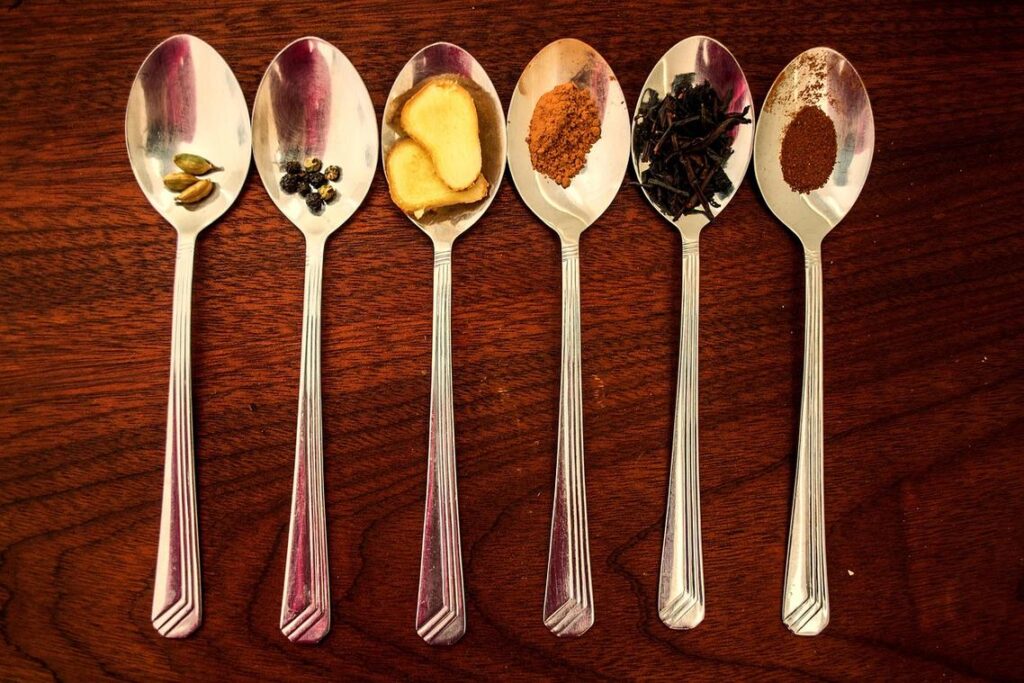
- Toss roasted vegetables with za’atar for a Middle Eastern lift.
- Stir garam masala into lentil soup for warmth and depth.
- Rub chicken with smoked paprika for a subtle Spanish twist.
Curious how these adjustments affect batch size? Understanding how to scale recipes up or down without losing flavor ensures balance every time.
Experimenting with global blends is one of the simplest recipe adaptation ideas you can try. Sound intimidating? It’s really just layering flavor—one pinch at a time.
Transforming Texture and Richness with Fats and Acids
First, let’s talk about fat. In culinary terms, fat is a flavor carrier, meaning it absorbs and distributes fat-soluble flavor compounds across a dish. That’s why food cooked in butter tastes fuller than food cooked in neutral oil. Instead of defaulting to canola, try flavorful fats with distinct profiles and smoke points. Brown butter, for example, develops a nutty aroma through milk solid caramelization (the French call it beurre noisette). Use it in cookies or drizzle over roasted vegetables for immediate depth. Bacon fat adds smokiness to sautéed greens, while a finishing splash of high-quality, flavor-infused olive oil delivers aroma right before serving.
However, richness alone can feel heavy. This is where the acid-fat partnership shines. Acidity—like vinegar or citrus—cuts through fat, creating balance. A vinaigrette (an emulsion of oil and acid) proves the point: without vinegar, it’s flat; without oil, it’s sharp.
For practical application, add a splash of rice vinegar to a stir-fry or squeeze lime over tacos. Suddenly, flavors pop (yes, like that scene in Ratatouille). Pro tip: adjust acid at the end for maximum brightness. Small tweaks like these are powerful recipe adaptation ideas that transform everyday cooking.
The first time I tried fusing cuisines, I ruined dinner. I tossed kimchi into spaghetti Bolognese and hoped for magic. Spoiler: it tasted confused. That disaster taught me the One Component Rule: swap just one element of a familiar dish, not the whole thing. Think of it as culinary Jenga (pull one block, not the tower).
Start with an ingredient swap: make classic Italian meatballs but use lamb, cumin, and mint for a Mediterranean twist. Or try a sauce swap: grill chicken as usual, then spoon over Thai peanut sauce or bright chimichurri instead of BBQ. Feeling braver? Borrow a technique: bake fish en papillote with ginger, soy, and sesame oil.
These small shifts build confidence and sharpen your flavor instincts. That’s how I approach recipe adaptation ideas today. Pro tip: balance salt, acid, and heat before adding flair. Fusion works best when it respects both kitchens. Trust your palate.
Your Kitchen, Your Rules: Start Experimenting Tonight
You now have a complete toolkit for turning any standard recipe into something unmistakably yours. And honestly, that beats following instructions line by line (where’s the fun in that?). The real frustration was never lack of recipes—it was culinary monotony.
By focusing on flavor, texture, and global ingredients, you can cook intuitively instead of mechanically. A squeeze of lemon can brighten a heavy pasta. A pinch of smoked paprika can transform roasted vegetables.
- Try one small twist at your next meal.
That’s how recipe adaptation ideas become second nature—and how creativity finally replaces routine.
Elevate Every Dish with Confidence
You came here looking for smarter ways to master global food essentials, refine your flavor pairing techniques, and bring more intention into your cooking. Now you have a clearer path forward.
The real challenge isn’t finding recipes—it’s knowing how to adapt them, balance flavors, and make every dish work with what you have. Without that confidence, meals feel repetitive and time in the kitchen feels wasted.
That’s where recipe adaptation ideas and smart kitchen efficiency tips change everything. When you understand how flavors interact and how to pivot ingredients without sacrificing taste, you stop following recipes and start creating them.
Now it’s your move: start applying one new flavor pairing this week, experiment with a fusion twist, and refine a favorite dish using a fresh adaptation technique. Join thousands of home cooks who trust our proven insights to simplify cooking and elevate every plate. Explore more guides, try a new technique today, and transform your kitchen into a space where creativity—and consistency—meet.
 Founder & Culinary Visionary
Zyvaris Dolthane has opinions about kitchen efficiency tips. Informed ones, backed by real experience — but opinions nonetheless, and they doesn't try to disguise them as neutral observation. They thinks a lot of what gets written about Kitchen Efficiency Tips, Flavor Pairing Techniques, Recipe Adaptation Ideas is either too cautious to be useful or too confident to be credible, and they's work tends to sit deliberately in the space between those two failure modes.
Reading Zyvaris's pieces, you get the sense of someone who has thought about this stuff seriously and arrived at actual conclusions — not just collected a range of perspectives and declined to pick one. That can be uncomfortable when they lands on something you disagree with. It's also why the writing is worth engaging with. Zyvaris isn't interested in telling people what they want to hear. They is interested in telling them what they actually thinks, with enough reasoning behind it that you can push back if you want to. That kind of intellectual honesty is rarer than it should be.
What Zyvaris is best at is the moment when a familiar topic reveals something unexpected — when the conventional wisdom turns out to be slightly off, or when a small shift in framing changes everything. They finds those moments consistently, which is why they's work tends to generate real discussion rather than just passive agreement.
Founder & Culinary Visionary
Zyvaris Dolthane has opinions about kitchen efficiency tips. Informed ones, backed by real experience — but opinions nonetheless, and they doesn't try to disguise them as neutral observation. They thinks a lot of what gets written about Kitchen Efficiency Tips, Flavor Pairing Techniques, Recipe Adaptation Ideas is either too cautious to be useful or too confident to be credible, and they's work tends to sit deliberately in the space between those two failure modes.
Reading Zyvaris's pieces, you get the sense of someone who has thought about this stuff seriously and arrived at actual conclusions — not just collected a range of perspectives and declined to pick one. That can be uncomfortable when they lands on something you disagree with. It's also why the writing is worth engaging with. Zyvaris isn't interested in telling people what they want to hear. They is interested in telling them what they actually thinks, with enough reasoning behind it that you can push back if you want to. That kind of intellectual honesty is rarer than it should be.
What Zyvaris is best at is the moment when a familiar topic reveals something unexpected — when the conventional wisdom turns out to be slightly off, or when a small shift in framing changes everything. They finds those moments consistently, which is why they's work tends to generate real discussion rather than just passive agreement.