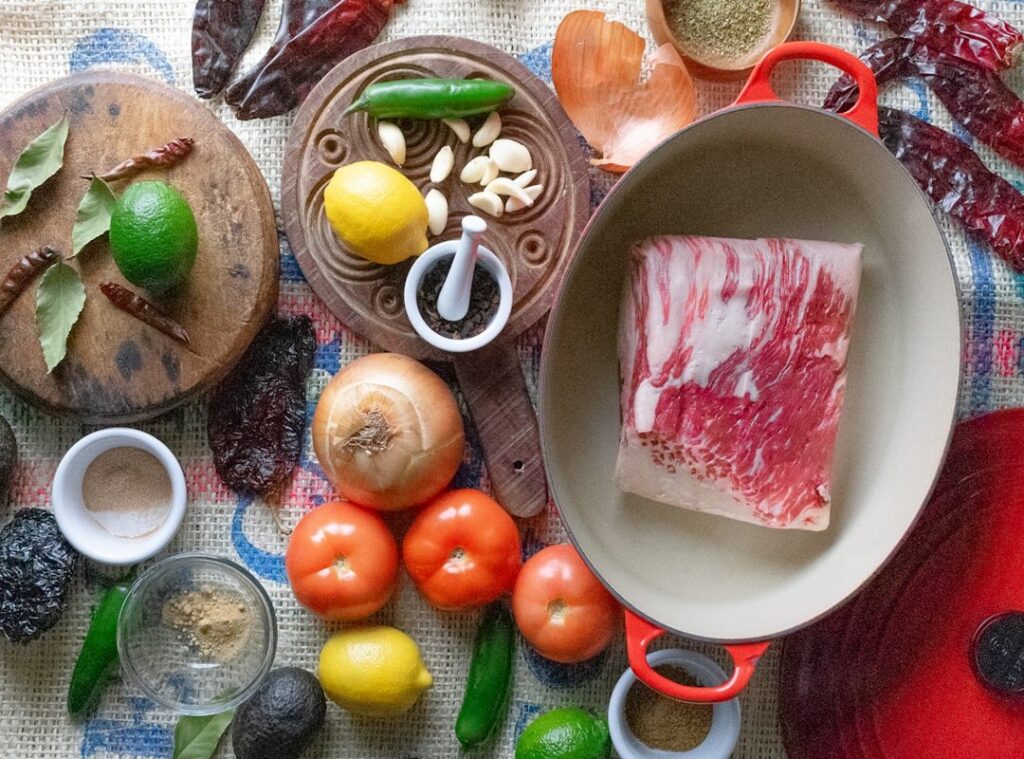

Great cooking starts with understanding the essentials—how ingredients work, why certain flavors complement each other, and how to adapt recipes with confidence. If you’re searching for practical guidance on global food essentials, smarter flavor pairing techniques, or creative ways to bring new life to everyday meals, this article is designed to give you exactly that.
We break down the foundations of balanced cooking, explore how fusion food cultural influences shape modern dishes, and share actionable tips to help you streamline your time in the kitchen without sacrificing taste. Whether you’re experimenting with bold combinations or refining classic recipes, you’ll find insights that are both inspiring and practical.
Our approach is grounded in culinary research, tested techniques, and real-world kitchen experience. By the end, you’ll not only understand why certain flavors work together—you’ll know how to confidently apply those principles to create efficient, adaptable, and memorable meals of your own.
The Art of Culinary Alchemy: Where Worlds Collide on a Plate
Welcome to culinary alchemy—the art of transforming diverse ingredients and traditions into something unexpectedly harmonious (and not a kitchen disaster). Fusion cuisine blends elements from different culinary backgrounds into one cohesive dish. Think sushi burritos or kimchi tacos—proof that borders are optional at dinner.
Many home cooks hesitate, fearing chaos on a plate. Fair. No one wants spaghetti seasoned like pumpkin pie. But chefs rely on simple principles:
- Balance fat, acid, heat, and sweetness
- Respect cultural origins
- Pair familiar with bold
Master these, and fusion food cultural influences become creative allies, not culinary chaos.
The Pillars of Successful Fusion: Harmony Over Chaos
Fusion works best when it chases HARMONY, not shock value. If your dish feels confused, it probably is. Here’s what I recommend focusing on every single time you experiment.
Pillar 1: Complementary Flavor Profiles
Start with the Five Tastes: sweet, sour, salty, bitter, umami. These are your anchors. Instead of randomly mixing cuisines, bridge them through shared taste structures. The bright sourness of lime in Mexican cooking pairs naturally with the tang of tamarind in Thai food. Both hit the same taste receptor, just in different accents (like culinary cousins meeting for the first time). When flavors speak the same “taste language,” the dish feels intentional.
Pillar 2: Textural Counterpoint
Great dishes contrast texture. Think soft braised short ribs tucked inside a light, crispy tempura shell. Creamy meets crunchy. Tender meets crisp. That contrast keeps every bite interesting. Without it, fusion can feel flat—even if the flavors work.
Pillar 3: Respect the Soul of the Ingredient
Technique can travel; identity should not. Try applying French sous-vide precision to Korean galbi marinade. You refine the cooking process without stripping away the marinade’s garlic-soy depth. That’s how you honor fusion food cultural influences without erasing origin.
Actionable Tip: The “One New Thing” Rule
When experimenting, change just ONE element:
- Add a new spice blend
- Swap in a foreign cooking technique
- Introduce one unfamiliar garnish
This keeps creativity controlled and results consistently delicious.
Case Studies in Flavor: Deconstructing Iconic Fusion Dishes
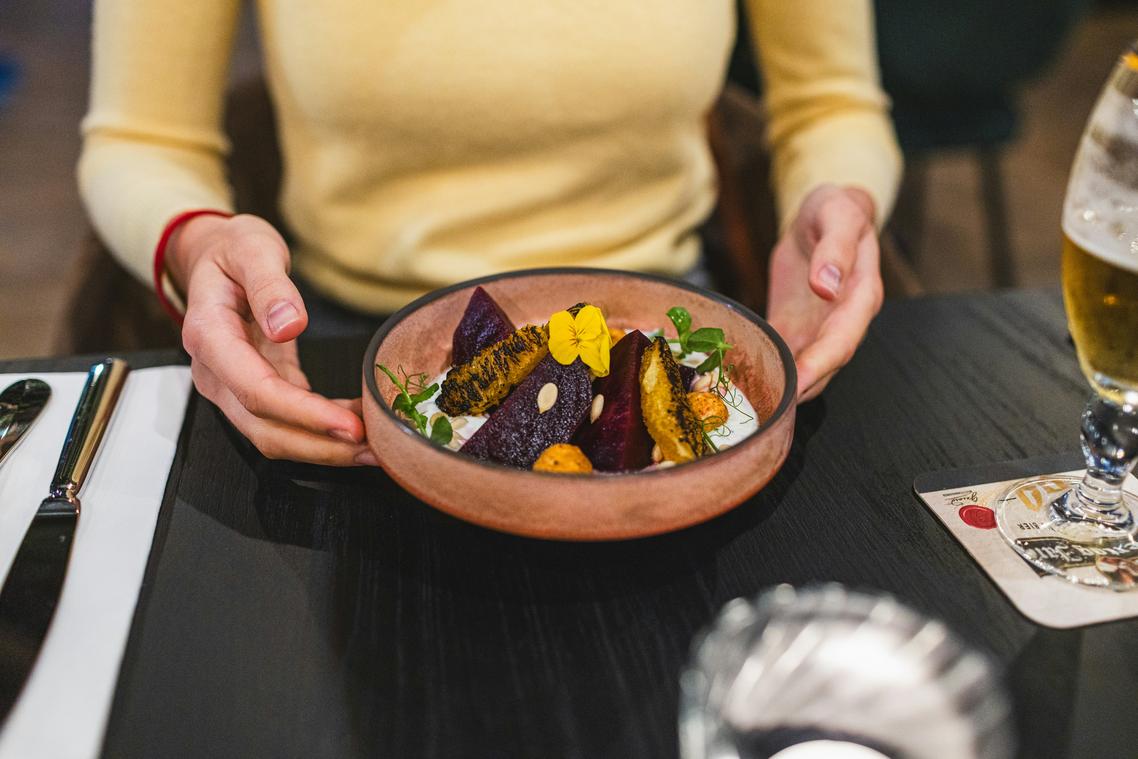
Fusion cuisine can seem chaotic at first glance. However, when you break it down, the logic becomes clear. Let’s simplify three iconic examples and see why they work.
Korean Tacos (Kogi BBQ)
At first bite, Korean tacos feel unexpected. Yet structurally, they’re straightforward. Bulgogi—thinly sliced, marinated beef—delivers umami, a savory depth often described as the “fifth taste.” That savory-sweet richness is balanced by salsa’s acidity and crunch. Acid cuts through fat (think of squeezing lime on grilled meat), preventing flavor fatigue. Meanwhile, the corn tortilla acts as a neutral base, much like rice in Korean cuisine. In other words, each element has a job: richness, brightness, and structure.
Some critics argue this mashup dilutes tradition. But practically speaking, it highlights how similar flavor principles exist across cultures. That’s the beauty of fusion food cultural influences.
Sushi Burritos
Next, consider sushi burritos. The ingredients—raw fish, rice, nori—are classic sushi components. The shift is structural. By adopting the burrito’s handheld format, the dish becomes portable and less intimidating (no chopsticks required). Texture remains key: tender fish, sticky rice, crisp vegetables. Essentially, it’s sushi re-engineered for convenience.
Chicken Tikka Masala Pizza
Finally, chicken tikka masala pizza succeeds because of a “flavor bridge.” A flavor bridge is a shared element that connects two cuisines. Here, the creamy tomato-based tikka sauce mirrors traditional pizza sauce. Melted cheese adds familiarity while softening bold spices. If you’re curious how these hybrids evolve, explore what are falotani fusion dishes a culinary exploration.
When analyzed clearly, fusion isn’t random—it’s strategic.
Adapting Recipes: Your Kitchen, Your Fusion Laboratory
Fusion cooking sounds ambitious. In reality, it often starts with a single smart swap. According to Datassential’s 2023 trend report, 67% of consumers are interested in globally inspired flavors at home—proof that experimentation isn’t niche anymore. It’s mainstream.
The “Sauce Swap” Technique
First, try replacing just the sauce. Sauces carry concentrated flavor, meaning small changes create noticeable impact. For example, pesto on soba noodles works because both rely on herbaceous, nutty notes. Similarly, chimichurri on grilled halloumi succeeds since the cheese’s saltiness mirrors the grilled meats chimichurri traditionally complements. In other words, you’re not reinventing dinner—you’re redirecting it.
The “Garnish Upgrade”
Next, upgrade the finish. Research published in Food Quality and Preference shows texture contrast significantly increases perceived flavor complexity. That’s why furikake on avocado toast adds crunch and umami, while crispy fried onions on mac and cheese deliver sweet-savory depth. (It’s the culinary equivalent of adding a plot twist in the final act.)
Kitchen Efficiency
Meanwhile, stock versatile “bridge” ingredients—ginger, garlic, cilantro, lime, and soy sauce. These appear across Asian, Latin American, and Middle Eastern cuisines, making spontaneous mashups easier. Pro tip: prep aromatics in batches to cut weekday cooking time by up to 30%, according to meal-prep efficiency studies.
A Simple 3-Step Framework
1) Identify the core flavor profile of your base dish.
2) Choose one complementary element from another cuisine.
3) Garnish with texture or freshness to unify it.
Ultimately, successful fusion food cultural influences rely on balance, not randomness. The goal isn’t chaos—it’s harmony with a passport.
Embark on Your Own Flavor Journey
Successful fusion isn’t random—it’s a thoughtful balance of flavor, texture, and technique. Flavor refers to the overall taste profile (sweet, salty, sour, bitter, umami). Texture is how food feels in your mouth (crispy, creamy, chewy). Technique is the method you use to prepare it. When these three pillars align, dishes feel intentional—not chaotic.
Some argue fusion is just mixing whatever’s in the fridge. But that’s how you get confusion, not cuisine. Real fusion food cultural influences respect tradition while inviting creativity. Think kimchi tacos or butter chicken pizza—unexpected, yet balanced.
To start simply:
- Try a Sauce Swap: pair a familiar protein with a new global sauce.
- Attempt a Garnish Upgrade: finish pasta with toasted sesame and scallions instead of parmesan.
If you’re worried about “messing up,” start small. Adjust one element at a time and taste as you go.
The best dishes haven’t been invented yet—they might begin in your kitchen this week.
By now, you have a clearer understanding of how global ingredients, smart flavor pairing, and fusion food cultural influences come together to transform everyday cooking into something extraordinary. If your goal was to break out of repetitive meals and create dishes that feel exciting yet approachable, you now have the tools and perspective to do exactly that.
The frustration of bland routines and uninspired recipes is real. Cooking should feel creative, not limiting. When you understand how to balance spices, adapt recipes confidently, and blend culinary traditions with intention, your kitchen becomes a space of innovation instead of guesswork.
Don’t let your meals fall back into predictability. Start experimenting with one new flavor combination this week. Explore a fusion twist on a familiar favorite. Apply the pairing techniques and efficiency tips you’ve learned to make every dish memorable.
Elevate Every Meal with Confident Fusion
If you’re ready to turn ordinary ingredients into bold, globally inspired dishes, now is the time to act. Put these strategies into practice today and experience how thoughtful fusion cooking can completely transform your table. Start creating, start tasting, and make every meal a celebration of flavor.
 Founder & Culinary Visionary
Zyvaris Dolthane has opinions about kitchen efficiency tips. Informed ones, backed by real experience — but opinions nonetheless, and they doesn't try to disguise them as neutral observation. They thinks a lot of what gets written about Kitchen Efficiency Tips, Flavor Pairing Techniques, Recipe Adaptation Ideas is either too cautious to be useful or too confident to be credible, and they's work tends to sit deliberately in the space between those two failure modes.
Reading Zyvaris's pieces, you get the sense of someone who has thought about this stuff seriously and arrived at actual conclusions — not just collected a range of perspectives and declined to pick one. That can be uncomfortable when they lands on something you disagree with. It's also why the writing is worth engaging with. Zyvaris isn't interested in telling people what they want to hear. They is interested in telling them what they actually thinks, with enough reasoning behind it that you can push back if you want to. That kind of intellectual honesty is rarer than it should be.
What Zyvaris is best at is the moment when a familiar topic reveals something unexpected — when the conventional wisdom turns out to be slightly off, or when a small shift in framing changes everything. They finds those moments consistently, which is why they's work tends to generate real discussion rather than just passive agreement.
Founder & Culinary Visionary
Zyvaris Dolthane has opinions about kitchen efficiency tips. Informed ones, backed by real experience — but opinions nonetheless, and they doesn't try to disguise them as neutral observation. They thinks a lot of what gets written about Kitchen Efficiency Tips, Flavor Pairing Techniques, Recipe Adaptation Ideas is either too cautious to be useful or too confident to be credible, and they's work tends to sit deliberately in the space between those two failure modes.
Reading Zyvaris's pieces, you get the sense of someone who has thought about this stuff seriously and arrived at actual conclusions — not just collected a range of perspectives and declined to pick one. That can be uncomfortable when they lands on something you disagree with. It's also why the writing is worth engaging with. Zyvaris isn't interested in telling people what they want to hear. They is interested in telling them what they actually thinks, with enough reasoning behind it that you can push back if you want to. That kind of intellectual honesty is rarer than it should be.
What Zyvaris is best at is the moment when a familiar topic reveals something unexpected — when the conventional wisdom turns out to be slightly off, or when a small shift in framing changes everything. They finds those moments consistently, which is why they's work tends to generate real discussion rather than just passive agreement.