Standing in the international aisle, aren’t you? Overwhelmed by the maze of bottles and labels, each promising to take you to Japan. You want to recreate that perfect ramen or teriyaki but don’t know where to start.
You’re not alone. This article is here to sort through the clutter and demystify those shelves. I’ll guide you through the Japanese cooking essentials (the) core ingredients that form the backbone of authentic Japanese cuisine.
I promise this isn’t just some list. Think of it as your roadmap to unlocking thousands of authentic recipes. Trust me, I’ve spent years exploring global culinary essentials, blending them for the home cook.
By the end, you won’t just have a shopping list. You’ll understand how and why each ingredient is used. You’ll be cooking with confidence.
Ready to dive in?
Umami Unleashed: The Savory Backbone
Umami. It’s the mysterious “fifth taste” that hooks you the moment it graces your palate. Japanese cooking essentials wouldn’t be the same without it.
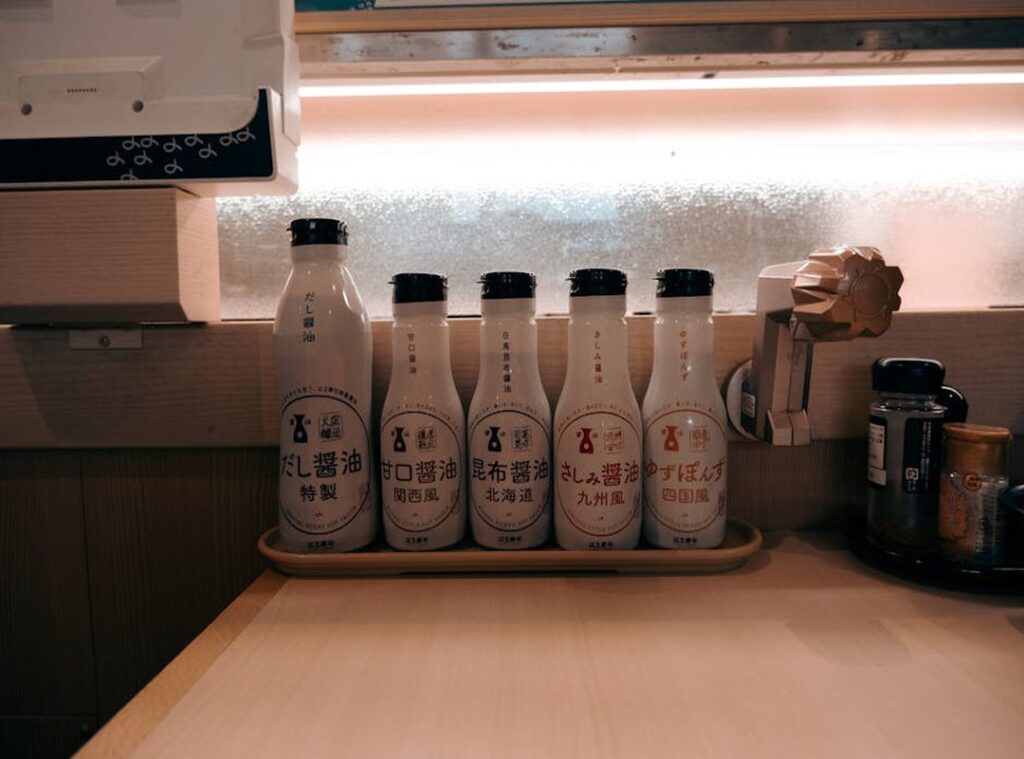
First, let’s talk about shoyu (or soy sauce). You might think all soy sauce is the same. It’s not. Koikuchi is your go-to for marinades and dipping.
Dark, rich, and versatile. But then there’s usukuchi. It’s lighter, saltier, perfect for clear soups.
Always check the label for “naturally brewed.” Trust me. Your taste buds will thank you.
Next up, miso. This isn’t just some paste you throw in soup. It’s a flavor powerhouse. Shiro miso is mellow and sweet, ideal for soups and dressings.
Want something bold? Go for aka miso. It’s pungent, rich, and shines in hearty braises.
Both are indispensable, yet so distinct. Ever tried mixing them? It’s a revelation.
And then there’s dashi. The unsung hero of Japanese cuisine. Made from kombu (a type of kelp) and katsuobushi (bonito flakes), it’s a subtle, oceanic base.
It enhances flavors without stealing the spotlight. Can’t find the time? Instant dashi powder is a lifesaver.
For beginners, it’s a simple entry point.
Curious about how Japanese flavors compare to Mediterranean ones? Check out these must have mediterranean pantry staples. You’ll find there’s a world of taste waiting to be explored.
Dive in. Your kitchen deserves it.
The Balancing Act: Sweet, Tangy, and Rich Essentials
When it comes to crafting the perfect dish, the balance of flavors is everything. You know what I’m talking about. That sweet-and-savory magic found in teriyaki or sushi rice?
It’s no accident. It’s all about the Japanese cooking essentials.
Take Mirin. This sweet rice wine is the secret behind that glossy, mouthwatering glaze on teriyaki (the ‘teri’ part). But here’s a pro tip: not all mirin is created equal.
True mirin offers a mild sweetness that’s complex and layered. It’s a far cry from the impostor ‘aji-mirin,’ which lacks the same depth. So, don’t skimp.
Go for the real deal.
Then there’s Sake. This rice wine is more than just a drink. It adds depth and a subtle sweetness to dishes.
Plus, it works wonders on fish and meat, tenderizing and removing odors. A dry, affordable sake is all you need for cooking.
Finally, Komezu (rice vinegar) is your go-to for a gentle acidity. It’s not like those Western vinegars that hit you over the head. Instead, it seasons sushi rice and brightens up salads and pickles without any harshness.
Want to dive deeper into tools that raise these flavors? Check out this overview. It’s a game-changer for anyone serious about Japanese cuisine.
The Heart of the Meal: Grains & Noodles Explored
Japanese cooking essentials start with the foundation: grains and noodles. Without these, it’s like painting without a canvas. You need something solid to hold all those delightful flavors together.
Let’s talk rice. Not just any rice, but uruchimai, the Japanese short-grain wonder that’s sticky and slightly sweet. It’s perfect for sushi or just as a side.
Ever tried forming sushi with long-grain rice? (Spoiler: it’s a mess.) Pro tip: Look for “sushi rice” on the label when shopping.
Then there are the noodles. Two stars here: soba and udon. Soba noodles, thin and made from buckwheat, offer a nutty, earthy punch.
Usually served cold with a dipping sauce, they remind you of how simple ingredients can taste incredible. Udon, on the other hand, are thick, chewy wheat noodles. They soak up flavors, making them ideal for hearty soups.
Need more on Japanese essentials? There’s so much more to learn. Noodles and rice are just the beginning.
If you’re curious about how other cultures use staples like rice and spices, consider this guide on Indian spices. Different, yet surprisingly similar in its foundational beauty.
Aromatic Accents: Finishing Touches
Ever wonder how a dish leaps from good to great? It’s those finishing touches that do it. to some Japanese cooking essentials that transform your meals.

Take goma, or sesame. There’s nothing like the nutty aroma of toasted sesame oil (goma-abura). It’s not for cooking.
It’s a finishing touch. Drizzle it on, and bam, you’ve got a rich fragrance that makes you pause. Then there’s iri-goma (toasted) sesame seeds.
Sprinkle them on anything, and suddenly, you’ve got texture and depth.
And nori. Forget just sushi. It’s crispy with that briny, oceanic kick.
Cut it into strips and throw it on soups or noodles. It’s like adding a bit of ocean magic.
Katsuobushi and kombu aren’t just for dashi. Sprinkle katsuobushi (bonito flakes) on okonomiyaki or even a simple rice bowl. Smoky and savory, they wake up your taste buds.
Kombu, though, is a surprise. Use it for pickles or salads. It adds a subtle umami that lingers.
These ingredients aren’t just extras. They’re game-changers. So next time you cook, think about those final layers.
They might just make your dish unforgettable.
Level Up Your Pantry: Three Flavor Power-Ups
Ever feel like your cooking needs a secret weapon? Let’s talk Japanese cooking essentials. You’ve mastered the basics, but now it’s time to raise that pantry of yours with some potent flavor boosters.
First up, Shichimi Togarashi. This isn’t just about heat. It’s a complex, aromatic blend, featuring chili, sansho pepper, orange peel, and sesame.
Perfect as a condiment for udon, ramen, or grilled meats. Think of it as the spice mix you never knew you needed.
Then there’s Furikake. Imagine transforming a simple bowl of rice into something extraordinary. With its savory, crunchy mix of dried fish, sesame seeds, and seaweed, it’s like a flavor confetti.
Trust me, rice will never be the same again.
Finally, meet Yuzu Kosho. Intense citrus from the yuzu peel, a kick of chili, and a dash of salt. Use it sparingly.
It’s a game-changer for grilled chicken, fish, or even a noodle broth. Your meals just got a serious upgrade.
Taste the Transformation
You’ve navigated the maze of the Japanese food aisle. What once felt like a tidal wave of confusion is now a sea of opportunity. You have a guide, a plan, and the confidence to tackle those Japanese cooking essentials.
Feeling the pressure to create authentic dishes? Don’t. With these core ingredients, you’re equipped to craft anything from traditional masterpieces to bold fusion experiments.
Now, pick one ingredient you’ve never tried. Find a simple recipe. Dive in tonight.
Ready to explore more? Check out articles on flavor pairing. Your culinary adventure is just beginning.
You got this.
 Kitchen Efficiency & Innovation Specialist
Graham Royalimores is the kind of writer who genuinely cannot publish something without checking it twice. Maybe three times. They came to culinary pulse through years of hands-on work rather than theory, which means the things they writes about — Culinary Pulse, Falotani Fusion Dishes, Flavor Pairing Techniques, among other areas — are things they has actually tested, questioned, and revised opinions on more than once.
That shows in the work. Graham's pieces tend to go a level deeper than most. Not in a way that becomes unreadable, but in a way that makes you realize you'd been missing something important. They has a habit of finding the detail that everybody else glosses over and making it the center of the story — which sounds simple, but takes a rare combination of curiosity and patience to pull off consistently. The writing never feels rushed. It feels like someone who sat with the subject long enough to actually understand it.
Outside of specific topics, what Graham cares about most is whether the reader walks away with something useful. Not impressed. Not entertained. Useful. That's a harder bar to clear than it sounds, and they clears it more often than not — which is why readers tend to remember Graham's articles long after they've forgotten the headline.
Kitchen Efficiency & Innovation Specialist
Graham Royalimores is the kind of writer who genuinely cannot publish something without checking it twice. Maybe three times. They came to culinary pulse through years of hands-on work rather than theory, which means the things they writes about — Culinary Pulse, Falotani Fusion Dishes, Flavor Pairing Techniques, among other areas — are things they has actually tested, questioned, and revised opinions on more than once.
That shows in the work. Graham's pieces tend to go a level deeper than most. Not in a way that becomes unreadable, but in a way that makes you realize you'd been missing something important. They has a habit of finding the detail that everybody else glosses over and making it the center of the story — which sounds simple, but takes a rare combination of curiosity and patience to pull off consistently. The writing never feels rushed. It feels like someone who sat with the subject long enough to actually understand it.
Outside of specific topics, what Graham cares about most is whether the reader walks away with something useful. Not impressed. Not entertained. Useful. That's a harder bar to clear than it sounds, and they clears it more often than not — which is why readers tend to remember Graham's articles long after they've forgotten the headline.