If you’ve ever wondered why certain dishes taste unforgettable while others fall flat, the answer often lies in mastering sweet and savory pairing. Home cooks and food enthusiasts alike search for practical ways to balance flavors, elevate everyday meals, and create combinations that feel both surprising and harmonious. This article is designed to do exactly that—break down the principles behind flavor balance, explore global food essentials that naturally complement each other, and offer actionable techniques you can use immediately in your own kitchen.
We draw on established culinary science, classic flavor-pairing frameworks, and real-world kitchen testing to ensure every tip is both reliable and practical. From understanding how sweetness enhances umami to learning when acidity sharpens richness, you’ll gain clear guidance on building dishes that taste intentional, layered, and deeply satisfying—whether you’re refining a favorite recipe or experimenting with bold new combinations.
The Art of Flavor Contrast: Why Sweet and Savory Belong Together
By experimenting with advanced flavor pairing techniques, as discussed in our article “Sweet and Savory: Mastering Advanced Flavor Pairing Techniques,” you’ll find the perfect harmony in your dishes, including those traditional Falotani recipes that benefit from a thoughtful blend of contrasting tastes – for more details, check out our Cooking Falotani.
Great dishes aren’t loud—they’re layered. In other words, they surprise you. The core problem in cooking isn’t lack of flavor; it’s one-note flavor (like a band that only owns a drum). That’s where flavor layering comes in: the strategic stacking of tastes to keep your palate curious. Scientifically speaking, sweetness softens bitter or harsh savory edges, while salt amplifies sweetness and deepens aroma perception (Harvard T.H. Chan School of Public Health).
Now, some argue flavors should “stay in their lane.” Yet history disagrees—think teriyaki chicken or salted caramel. The magic of sweet and savory pairing lies in balance, not chaos.
To build contrast:
- Add a touch of honey to spicy glaze
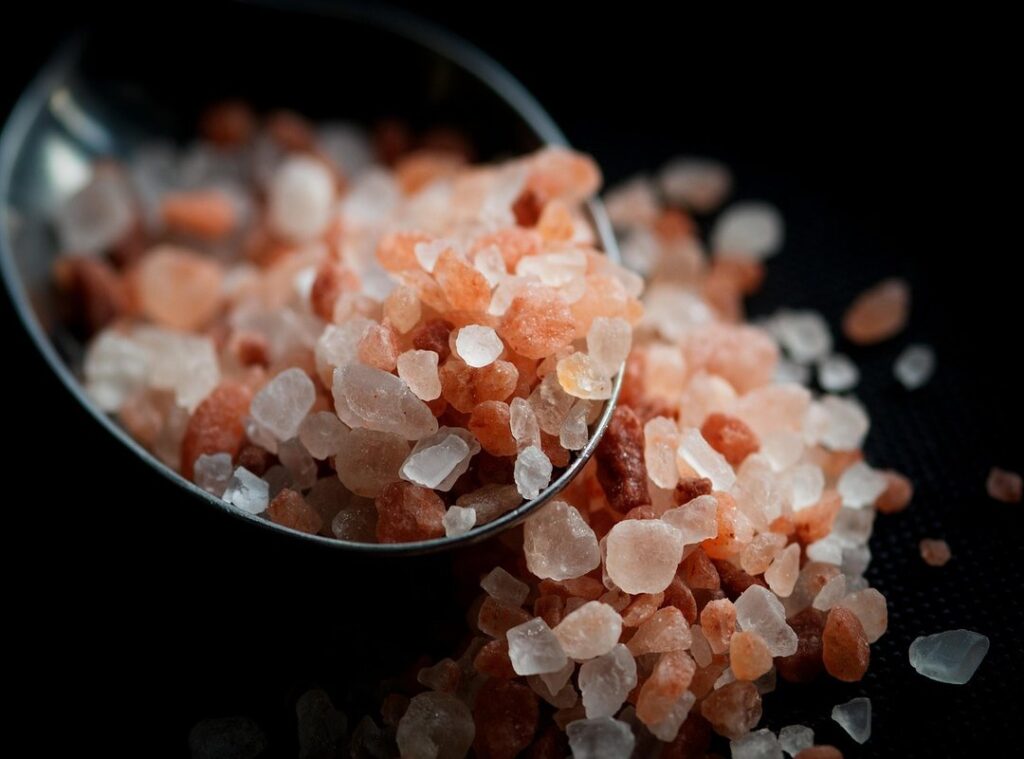
- Finish roasted veggies with flaky salt
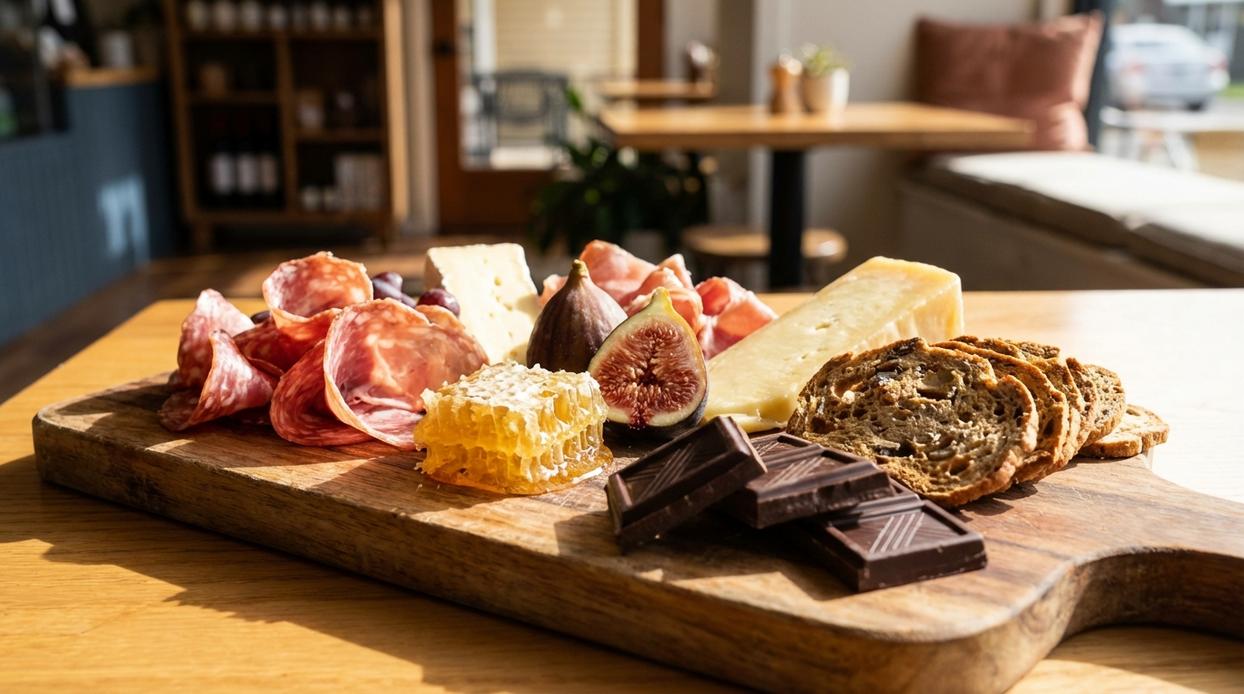
- Pair fruit with aged cheese
Ultimately, contrast keeps every bite interesting—and your guests guessing.
Timeless Pairings: The Classics and Why They Work
Prosciutto and melon is the kind of sweet and savory pairing that feels effortless. The salt in the cured meat sharpens the melon’s floral sweetness, and suddenly each bite tastes brighter. I’ll admit, food scientists still debate exactly why contrast heightens perception, but our palates clearly respond to tension.
Then, consider salted caramel. Without salt, caramel can edge toward cloying. Add a pinch, though, and the richness gains definition. The salt doesn’t just “cut” sweetness; it reframes it, much like a plot twist makes a movie memorable (think of Ratatouille’s final scene).
Meanwhile, pork and apples show how fat and acidity collaborate. The apple’s brightness slices through richness, cleansing the palate so the next forkful tastes new. To be fair, some argue it’s tradition, not chemistry, doing the heavy lifting. They may be partly right; culture shapes expectation.
Finally, cheese with honey or fig jam balances funk and floral depth. I can’t claim every cheese behaves identically, yet the pattern persists: contrast creates harmony, and harmony keeps us coming back for more.
Even so, experimentation remains essential, because personal taste can defy theory and surprise even seasoned cooks. Trust your own palate.
A Global Tour of Sweet and Savory Flavors
Across cultures, some of the most unforgettable dishes rely on contrast. In Southeast Asian cuisine, for example, Pad Thai balances tamarind’s bright sourness, fish sauce’s salty umami (umami means a deep, savory taste often found in aged or fermented foods), and palm sugar’s mellow sweetness. Together, they create a foundational flavor profile that feels complete rather than chaotic. If you’re cooking at home, start by tasting each element separately. Then adjust gradually—add sweetness only after salt and acid are balanced.
Meanwhile, Middle Eastern tagines show how fruit can elevate meat. A lamb tagine with apricots pairs rich, savory protein with dried fruit sugars and warming spices like cinnamon and cumin. The result isn’t dessert-like; instead, it’s layered and aromatic (think cozy market aromas drifting through Marrakech). I recommend adding dried fruit in small amounts first, letting it simmer to release natural sugars before deciding if you need more.
Then there’s Latin American mole, a masterclass in complexity. Mole blends chilies, nuts, spices, and a touch of chocolate for subtle sweetness. Chocolate here doesn’t make the sauce sugary—it deepens it. If you’re unsure how to replicate this sweet and savory pairing, review common flavor pairing mistakes and how to avoid them.
So how can you apply these ideas tonight? Try brushing roasted chicken with pomegranate molasses for tangy depth. Or stir a teaspoon of palm sugar into a spicy stir-fry. Start small, taste often, and let contrast work its quiet magic.
Techniques for Mastering the Balance in Your Kitchen
The Role of Acidity
Acidity is the quiet overachiever of great cooking. A splash of vinegar or squeeze of lemon lowers a dish’s pH, which scientifically heightens flavor perception by stimulating saliva production (Institute of Food Technologists). That’s why rich foods suddenly feel lighter with citrus. Acids act as a bridge—lifting sweetness while sharpening savory depth—so a stew doesn’t taste flat or heavy. Think of tomato sauce brightened with balsamic or roasted vegetables finished with lemon zest (suddenly, everything tastes more alive).
Using Fat to Carry Flavor
Fats like butter and olive oil are flavor carriers. Many aromatic compounds are fat-soluble, meaning they dissolve and disperse more evenly in fat (Harvard T.H. Chan School of Public Health). This is why blooming spices in oil intensifies aroma. Fat also tempers sharp sweetness, creating balance in sweet and savory pairing without overwhelming the palate.
- Use butter to round out acidic pan sauces
- Drizzle olive oil over citrus salads to soften sharp edges
Texture Is Key
Contrast keeps bites interesting. Studies in food psychology show texture variety increases perceived satisfaction (Journal of Texture Studies). A crispy chicken thigh under a smooth maple glaze or salty pecans folded into soft brownies proves that crunch plus creaminess equals memorability.
Kitchen Efficiency Tip
Whisk soy sauce, honey, grated ginger, and rice vinegar for a weekly glaze. Brush onto salmon, tofu, carrots, or chicken. Pro tip: Simmer briefly to thicken and store refrigerated for up to five days.
Unlocking Your Own Signature Flavor Combinations
Balance is the goal, not a competition between flavors. One note should enhance the other, the way a great duet works because each voice leaves space to breathe. Think of it like Beyoncé and Jay-Z on stage: distinct, yet stronger together. When you chase harmony instead of dominance, your dishes start to feel intentional rather than accidental.
At this point, you no longer have to guess why some pairings soar while others fall flat. You have a framework: layering, acidity, fat, and texture. Layering builds depth; acidity brightens and cuts richness; fat carries flavor; texture keeps every bite interesting. (Soggy and one-note is nobody’s favorite plot twist.)
Of course, some argue that rules kill creativity, that cooking should be pure instinct. Fair. But even jazz legends learn scales before they improvise. Structure frees you to riff. That’s the real why it works.
So start small. Add honey to your next pizza, a pinch of sea salt to a brownie, or stir jam into a steak pan sauce. Play with sweet and savory pairing once, then tweak it. Experimentation is your final step to mastery. Trust your palate and keep tasting as you go forward.
Bring Balance and Bold Flavor to Your Table
You came here to better understand how to master sweet and savory pairing and elevate your everyday cooking with more confidence and creativity. Now you have the tools to balance contrasting flavors, adapt recipes with intention, and turn simple ingredients into memorable dishes.
The real challenge wasn’t finding recipes — it was knowing how to combine flavors without overpowering a dish or playing it too safe. When flavors feel unbalanced, meals fall flat and your time in the kitchen feels wasted. But when you understand how sweetness enhances salt, or how acidity sharpens richness, you cook with purpose instead of guesswork.
Now it’s time to put this knowledge into action. Start experimenting with one new pairing this week. Adjust, taste, refine. Build your confidence dish by dish.
If you’re ready to stop second‑guessing your flavor combinations and start creating meals that truly impress, explore more of our proven pairing strategies and kitchen efficiency tips today. Thousands of home cooks rely on our trusted guidance to transform everyday ingredients into extraordinary meals — and you can too. Start now and bring bold balance to your next plate.
 Kitchen Efficiency & Innovation Specialist
Graham Royalimores is the kind of writer who genuinely cannot publish something without checking it twice. Maybe three times. They came to culinary pulse through years of hands-on work rather than theory, which means the things they writes about — Culinary Pulse, Falotani Fusion Dishes, Flavor Pairing Techniques, among other areas — are things they has actually tested, questioned, and revised opinions on more than once.
That shows in the work. Graham's pieces tend to go a level deeper than most. Not in a way that becomes unreadable, but in a way that makes you realize you'd been missing something important. They has a habit of finding the detail that everybody else glosses over and making it the center of the story — which sounds simple, but takes a rare combination of curiosity and patience to pull off consistently. The writing never feels rushed. It feels like someone who sat with the subject long enough to actually understand it.
Outside of specific topics, what Graham cares about most is whether the reader walks away with something useful. Not impressed. Not entertained. Useful. That's a harder bar to clear than it sounds, and they clears it more often than not — which is why readers tend to remember Graham's articles long after they've forgotten the headline.
Kitchen Efficiency & Innovation Specialist
Graham Royalimores is the kind of writer who genuinely cannot publish something without checking it twice. Maybe three times. They came to culinary pulse through years of hands-on work rather than theory, which means the things they writes about — Culinary Pulse, Falotani Fusion Dishes, Flavor Pairing Techniques, among other areas — are things they has actually tested, questioned, and revised opinions on more than once.
That shows in the work. Graham's pieces tend to go a level deeper than most. Not in a way that becomes unreadable, but in a way that makes you realize you'd been missing something important. They has a habit of finding the detail that everybody else glosses over and making it the center of the story — which sounds simple, but takes a rare combination of curiosity and patience to pull off consistently. The writing never feels rushed. It feels like someone who sat with the subject long enough to actually understand it.
Outside of specific topics, what Graham cares about most is whether the reader walks away with something useful. Not impressed. Not entertained. Useful. That's a harder bar to clear than it sounds, and they clears it more often than not — which is why readers tend to remember Graham's articles long after they've forgotten the headline.