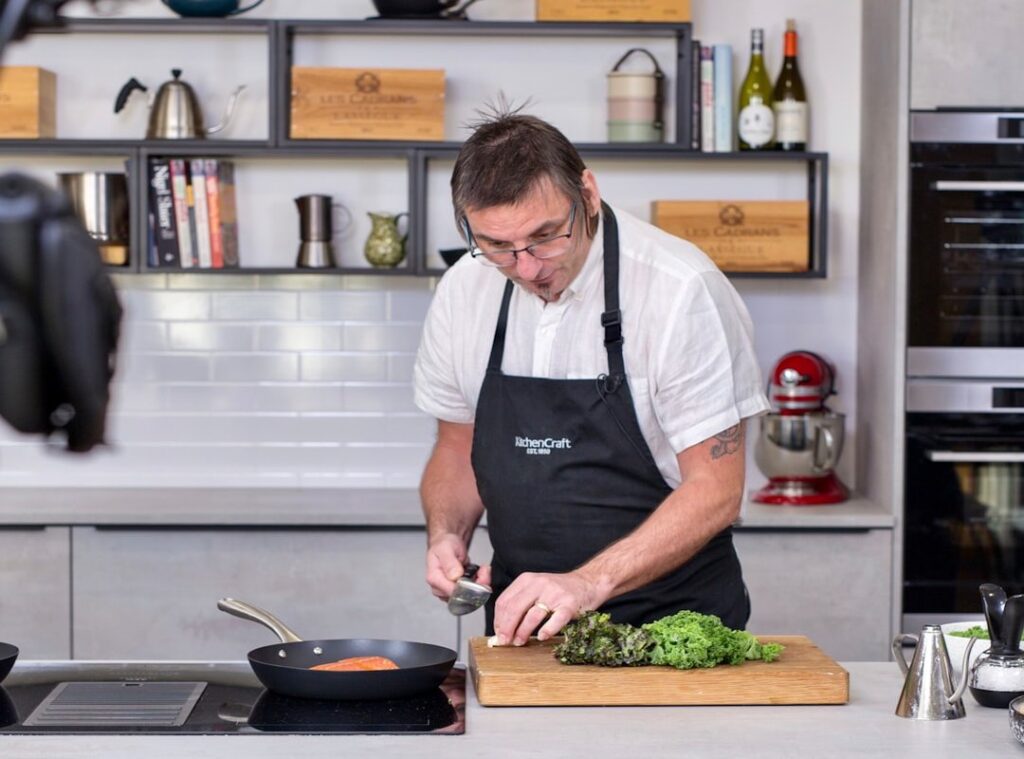
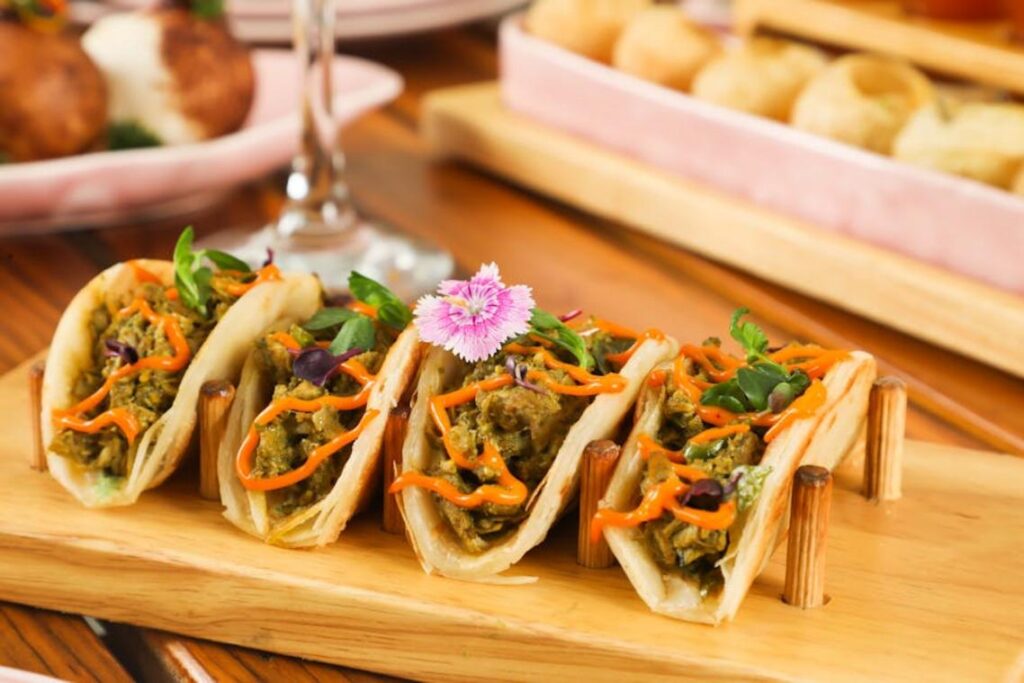
Food is more than sustenance—it’s culture, history, and innovation on a plate. Whether you’re exploring global staples, experimenting with flavor pairings, or refining your kitchen workflow, understanding how dishes evolve can completely transform the way you cook and taste. This article dives into the journey from street food to fine dining evolution, uncovering how humble ingredients become elevated culinary experiences while still honoring their roots.
If you’re searching for practical ways to adapt recipes, combine flavors with confidence, or bring global inspiration into your kitchen, you’re in the right place. We’ve analyzed traditional cooking methods, studied contemporary fusion techniques, and drawn on insights from professional chefs and culinary researchers to ensure the guidance here is both creative and reliable.
You’ll discover how to balance bold flavors, improve kitchen efficiency, and reinterpret classic dishes with a modern twist—so every meal you create feels intentional, inspired, and unforgettable.
Picture a perfectly crisp taco, juices dripping onto paper, or a steaming bao bun split open in the cold night air. How does something so humble become a white-tablecloth showpiece costing twenty times more?
The answer isn’t magic; it’s method. Chefs follow a clear street food to fine dining evolution built on three shifts:
- Ingredient elevation—sourcing premium, seasonal components.
- Technique refinement—applying precise methods like sous vide (temperature-controlled water cooking).
- Presentation design—plating with intention and narrative.
In short, they clarify flavors, concentrate textures, and heighten experience (yes, even that tiny herb leaf matters). The blueprint is surprisingly practical for home cooks.
The Soul of Simplicity
The magic of street food lies in authenticity and focus. The best vendors don’t offer sprawling menus; they perfect one dish until it sings. Think of Thai boat noodles, where an intensely reduced broth delivers a concentrated punch of umami in a small bowl. Or Mexican elote, blistered over open flame, brushed with crema, dusted with chili and lime. One bite, full story. For you, that means maximum flavor with zero guesswork (and usually zero white tablecloths).
This simplicity also reflects a clear ingredient philosophy. Street food depends on fresh, local, high-turnover ingredients—items bought daily and used quickly. High turnover means freshness by necessity, not trend. The result? Brighter herbs, warmer bread, deeper spice. You taste food at its peak, which sharpens your palate and helps you recognize quality anywhere.
Culturally, street food is edible history. Vietnamese banh mi layers crisp pickles, airy baguette, and savory fillings—a textural map of colonial influence and local adaptation. Each bite connects you to generations of cooks refining balance and contrast.
Even the street food to fine dining evolution proves its value: chefs elevate these humble roots because the foundations are already extraordinary. When you understand street food, you understand flavor at its source—and that knowledge makes every meal richer.
The Elevation Blueprint: Core Techniques for Culinary Transformation
As diners increasingly seek experiences that blend the rich, comforting elements of street food with the artistry of fine dining, understanding the underlying science—such as flavor pairing techniques—becomes essential for chefs looking to elevate their culinary creations – for more details, check out our The Science Behind Flavor Pairing Techniques in Cooking.
Great cooking isn’t about adding more—it’s about refining what’s already there. When you understand a dish at its core, transformation becomes intentional, not accidental.
Ingredient Substitution and Enhancement
First, upgrade the foundation. Ingredient substitution means replacing standard components with premium or purpose-driven alternatives to enhance flavor, texture, and integrity. For example, swapping commodity pork belly for heritage pork introduces deeper marbling and complexity. Replacing processed cheese with an aged artisanal variety delivers nuanced acidity and umami (the savory depth identified as one of the five basic tastes).
Some argue that quality ingredients are wasted in casual dishes. However, even a humble grilled sandwich becomes memorable when built with exceptional butter and bread. The improvement isn’t subtle—it’s structural.
Pro tip: When upgrading ingredients, adjust seasoning downward first. Premium products often carry more natural flavor than expected.
Advanced Flavor Pairing
Next, layer intelligently. Chefs apply food science to combine ingredients that share aromatic compounds—a method popularized by research from food scientist Dr. Hervé This. This is how unlikely pairings, like strawberry and basil, work so harmoniously.
Techniques such as infusions, reductions, and foams amplify complexity. A sauce built with fermented elements adds umami; a citrus gel introduces acidity; a smoked oil mist heightens aroma. These additions transform flavor from flat to dimensional.
Recipe Deconstruction and Adaptation
Deconstruction means isolating a dish’s core components and reassembling them in a new format. Imagine a samosa reimagined: spiced potato foam, vibrant pea purée, and a crisp tuile instead of pastry. The flavors remain—but the experience shifts.
While critics say this approach overcomplicates tradition, thoughtful adaptation respects flavor integrity while modernizing texture and presentation.
The Power of Presentation
Finally, perception shapes value. Plating, negative space, and intentional serviceware elevate expectations before the first bite. This street food to fine dining evolution depends as much on visual storytelling as technique.
For deeper context, explore culinary pulse explained how food trends shape modern kitchens.
When executed together, these techniques don’t just change dishes—they redefine them.
Case Studies in Fusion: Global Street Foods Reimagined
Fusion cuisine thrives on contrast. Yet critics argue that upgrading street food erases its soul. It’s a fair concern. Street food is defined as affordable, portable dishes rooted in local culture. However, thoughtful evolution doesn’t replace tradition—it spotlights it. Think of it as remixing a classic track: the melody stays, but the production changes.
The Taco Transformed
Consider the taco. Traditionally, al pastor features spit-roasted pork and pineapple. In a refined version, duck confit replaces pork, mole negro adds depth, and a house-nixtamalized blue corn tortilla (nixtamalization is soaking corn in alkaline water to enhance flavor and nutrition; see Smithsonian Magazine) anchors authenticity. To try this at home, confit duck legs slowly at 250°F, warm tortillas properly, and balance richness with acid—pickled onions work wonders.
The Elevated Noodle Bowl
Ramen began as a quick, inexpensive meal in Japan (BBC Travel). Now, chefs simmer tonkotsu broth for 36 hours and sous-vide chashu for precision. If you’re adapting this, start with quality bones, maintain a gentle boil, and season in layers. Pro tip: strain broth twice for clarity without sacrificing body.
The Gourmet Skewer
Satay or kebab becomes luxurious with A5 Wagyu or scallops. The key is restraint. Marinate briefly—premium proteins need less time—and grill over high heat for caramelization.
The Bao Bun Reborn
Soft bao filled with foie gras and truffle glaze exemplifies street food to fine dining evolution. Balance richness with sharp pickled daikon to prevent palate fatigue (your guests will thank you). Ultimately, fusion succeeds when technique elevates flavor without overshadowing heritage.
Your Kitchen, Your Evolution
Here’s the contrarian truth: gourmet cooking isn’t reserved for chefs with tweezers and Michelin stars. The leap from street to star is built on principles, not secrets. In fact, the so-called mystique of fine dining often distracts from what really matters—ingredient quality, technique, and intention.
Many argue that home cooking should stay “simple.” But simple doesn’t mean careless. A grilled cheese made with artisanal sourdough and aged Gruyère instantly disproves that myth (and yes, it still counts as comfort food). Likewise, mac and cheese thickened with a carefully whisked béchamel—a classic French white sauce made from butter, flour, and milk—shows how small refinements create big flavor.
The street food to fine dining evolution isn’t about complexity; it’s about awareness.
So start small. Choose one favorite dish this week. Upgrade the bread. Refine the sauce. Plate it with intention. Culinary evolution begins the moment you decide details matter.
Mastering Global Flavors in Your Own Kitchen
You set out to better understand global food essentials, smarter flavor pairing, and how to elevate everyday meals with creative fusion ideas. Now you have the tools to confidently blend cultures, adapt recipes, and run your kitchen with greater efficiency.
The frustration of bland, repetitive meals or complicated recipes that waste time and ingredients doesn’t have to continue. By applying thoughtful flavor combinations and embracing the street food to fine dining evolution, you can transform simple ingredients into memorable dishes that feel intentional and inspired.
Here’s your next step: choose one new global ingredient this week, pair it with a familiar favorite, and experiment with a fusion twist. Start small, refine your process, and build momentum. Thousands of home cooks already rely on our proven flavor-pairing strategies and kitchen efficiency insights to cook smarter and more creatively.
Don’t settle for ordinary meals. Put these techniques into action today and turn your kitchen into a space where bold flavors and confident cooking come together effortlessly.
 Founder & Culinary Visionary
Zyvaris Dolthane has opinions about kitchen efficiency tips. Informed ones, backed by real experience — but opinions nonetheless, and they doesn't try to disguise them as neutral observation. They thinks a lot of what gets written about Kitchen Efficiency Tips, Flavor Pairing Techniques, Recipe Adaptation Ideas is either too cautious to be useful or too confident to be credible, and they's work tends to sit deliberately in the space between those two failure modes.
Reading Zyvaris's pieces, you get the sense of someone who has thought about this stuff seriously and arrived at actual conclusions — not just collected a range of perspectives and declined to pick one. That can be uncomfortable when they lands on something you disagree with. It's also why the writing is worth engaging with. Zyvaris isn't interested in telling people what they want to hear. They is interested in telling them what they actually thinks, with enough reasoning behind it that you can push back if you want to. That kind of intellectual honesty is rarer than it should be.
What Zyvaris is best at is the moment when a familiar topic reveals something unexpected — when the conventional wisdom turns out to be slightly off, or when a small shift in framing changes everything. They finds those moments consistently, which is why they's work tends to generate real discussion rather than just passive agreement.
Founder & Culinary Visionary
Zyvaris Dolthane has opinions about kitchen efficiency tips. Informed ones, backed by real experience — but opinions nonetheless, and they doesn't try to disguise them as neutral observation. They thinks a lot of what gets written about Kitchen Efficiency Tips, Flavor Pairing Techniques, Recipe Adaptation Ideas is either too cautious to be useful or too confident to be credible, and they's work tends to sit deliberately in the space between those two failure modes.
Reading Zyvaris's pieces, you get the sense of someone who has thought about this stuff seriously and arrived at actual conclusions — not just collected a range of perspectives and declined to pick one. That can be uncomfortable when they lands on something you disagree with. It's also why the writing is worth engaging with. Zyvaris isn't interested in telling people what they want to hear. They is interested in telling them what they actually thinks, with enough reasoning behind it that you can push back if you want to. That kind of intellectual honesty is rarer than it should be.
What Zyvaris is best at is the moment when a familiar topic reveals something unexpected — when the conventional wisdom turns out to be slightly off, or when a small shift in framing changes everything. They finds those moments consistently, which is why they's work tends to generate real discussion rather than just passive agreement.