Ever feel lost in a sea of spices when tackling an Indian recipe? I get it. You start with good intentions, only to be overwhelmed by the sheer number of ingredients.
Then there’s the dreaded “curry powder” shortcut that never quite hits the mark. Let’s face it: many want to dive into Indian cooking but find the spices intimidating. This Indian spices guide cuts through the clutter.
I’ve spent years exploring global cuisines, and trust me, the core essentials deliver most of the flavor. You’re not getting a massive encyclopedia here. Just a practical guide to help you confidently cook authentic-tasting dishes tonight.
You’ll walk away with a short shopping list and the knowledge to actually use it. Ready to transform your kitchen into an Indian feast? Let’s get started.
Beyond the Jar: What ‘Curry’ Actually Means
Let’s set this straight: there’s no such thing as a single “curry powder.” This concept is more Western than a cowboy movie. In India, “curry” just means a dish with sauce or gravy. That’s it.
Now, meet “masala.” It’s not just a spice mix; it’s a personal signature. Every region, every family, even every cook, has their unique take. Contrast that with dumping a pre-made mix into the pot (what a shortcut).
When you dive into Indian spices, you realize they aren’t just about heat. They’re about layers.
Spices play roles like characters in a good movie. Cumin brings that earthy depth (think of it as the wise old mentor). Coriander, with its bright and citrusy notes, adds zing. Turmeric doesn’t just color your dish golden; it’s your peppery foundation.
And cardamom? That’s your sweet, floral kiss at the end.
Want to think like an Indian cook? Start layering flavors instead of dumping. Makes sense, right?
And while we’re exploring world flavors, don’t miss key french cuisine ingredients. It’s all about thinking beyond the jar, beyond just “curry.” This is your real Indian spices guide.
The Core 7: Your Important Indian Spice Starter Kit
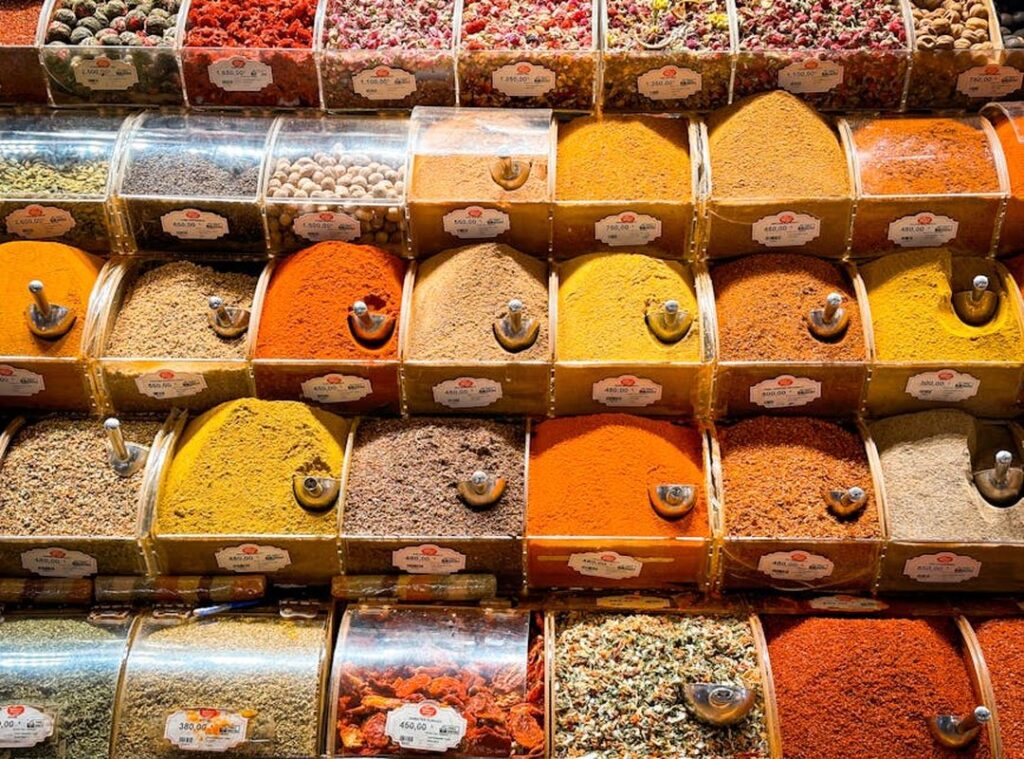
Let me tell you, starting your journey into Indian cooking doesn’t have to be a headache. With just seven spices, you can whip up a ton of authentic dishes. And yes, it’s not just talk. Cumin Seeds (Jeera): These little guys are earthy, smoky, and warm.
Ever had a ‘tadka’? That sizzling dance in hot oil? Cumin’s the star of that show.
You’ll find it in dals and vegetable dishes, easily adding depth and a punch of flavor.
Coriander Powder (Dhania): Think bright and slightly sweet. It’s citrusy too. Coriander powder thickens and balances cumin’s earthiness. It’s like a calming counterweight in your spice arsenal. You just can’t skip it if you want that classic Indian taste.
Turmeric Powder (Haldi): The color alone could sell you. Turmeric brings a brilliant yellow to any dish. It’s earthy, slightly bitter, and guess what? It’s also got anti-inflammatory properties. Health benefits in every spoonful. Almost every savory dish in India has a hint of this magic powder.
Black Mustard Seeds (Rai): Heat them in oil and they pop with a sharp, pungent flair. If you’re diving into South Indian cooking or making pickles, you’ll need these. The flavor’s a must for that authentic touch.
Green Cardamom Pods (Elaichi): Intensely aromatic, sweet, and floral. It’s what makes pulao and biryani fragrant. Not to mention, chai isn’t chai without cardamom. It’s like the perfume of the spice world.
Cloves (Laung): Strong, pungent, sweet, and a bit medicinal. A little goes a long way. You’ll find it in rich meat curries and garam masala. It’s potent, so don’t overdo it.
Kashmiri Red Chili Powder: Different from your regular cayenne. It offers a brilliant red color with mild heat. Perfect for adding color without overwhelming spice. A visual feast for your dishes.
This isn’t just any list. It’s your indian spices guide to making genuine Indian cuisine without the overwhelm. Ready to spice up your kitchen?
These seven are all you need.
Spice Up Your Life: The Essentials of Buying and Storing
Here’s the golden rule when it comes to spices: buy them whole. Why? Whole spices hold onto their oils and flavors for way longer.
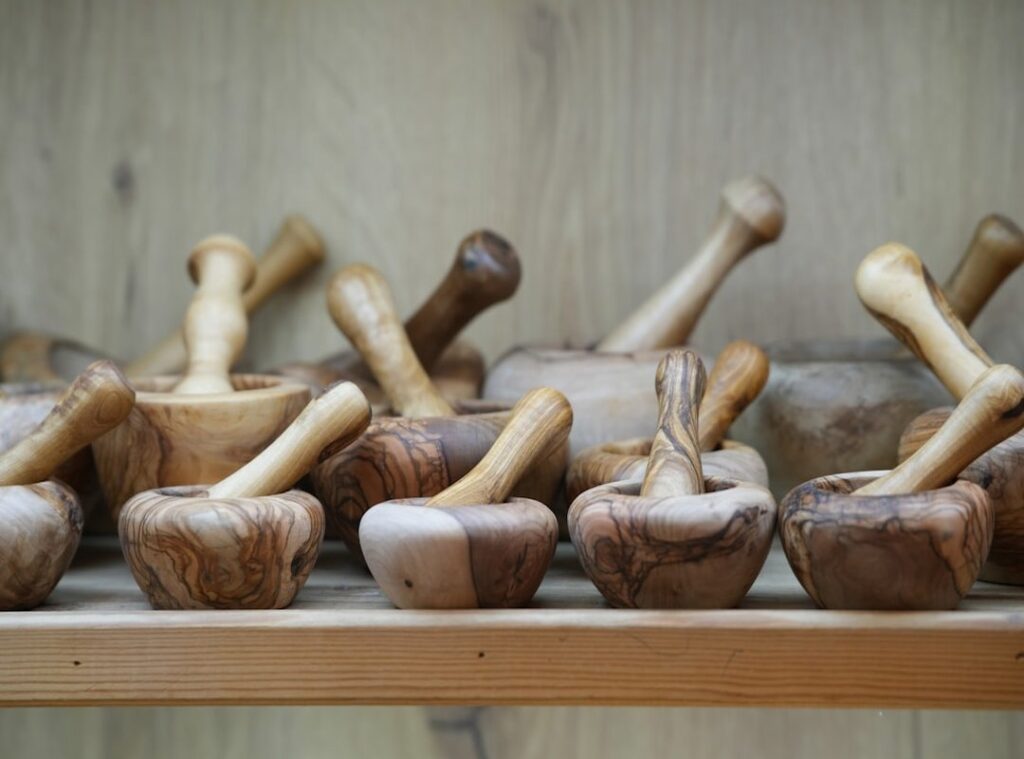
And when you grind them just before using (yes, in a coffee grinder or with a mortar and pestle), it’s a total game-changer.
Now, where should you get these gems? Local Indian grocery stores are your best bet for freshness and price. They’ve got everything you need.
But if there’s no store nearby, online retailers are a decent backup. No shame in that (sometimes) convenience wins.
Storing spices right is key too. Airtight containers like glass jars work wonders. Just don’t stick them above the stove (heat and light are flavor killers).
A cool, dark pantry is ideal. Trust me, your taste buds will thank you.
And here’s a pro tip: dry-roasting. Gently toast whole spices in a dry pan for a minute or two until they’re fragrant. This simple step amps up their flavor before grinding.
Think of it as instant flavor magic.
For those of you exploring beyond Indian spices, consider checking out Must Have Mediterranean Pantry Staples. It’s another flavor adventure waiting for you.
This Indian spices guide can raise your cooking, transforming dishes into flavor bombs. So, what’s stopping you? Dive in and let your taste buds explore new heights.
The 5-Minute Flavor Secret: Mastering the ‘Tadka’
Let’s talk about tadka. It’s the key to unlocking authentic Indian flavor. What is it, you ask?
Here’s how to make a basic tadka. Heat some ghee or oil in a pan. Add mustard seeds and wait for them to pop like firecrackers.
It’s like this magical, spice-infused oil that you pour over your dish at the end. Imagine taking a basic dish like dal or yogurt and giving it a dramatic, aromatic twist. That’s what tadka does.
Then, toss in cumin seeds and let them sizzle for about 30 seconds. Pour this over your dish. Simple, right?
But oh, the flavor!
Let’s talk pairing. Cumin and coriander are like the workhorse duo for everyday veggie and bean dishes. Mustard seeds and turmeric bring foundational pop and color to lentils and potatoes.
And for those special occasions? Cardamom and cloves transform rice and creamy curries into something extraordinary.
Now, here’s a fun twist. Tadka isn’t just for Indian dishes. Picture this: bloom cumin and mustard seeds in oil, then drizzle over roasted veggies or a simple tomato soup.
Suddenly, you’ve taken a familiar dish and given it a new life. It’s fusion at its finest.
So next time you’re cooking, remember this Indian spices guide. Tadka isn’t just a technique. It’s a way to raise your meals with minimal effort.
Just five minutes and a handful of spices can make all the difference. Try it. You might just find your new favorite kitchen trick.
Spice Up Your Kitchen Tonight
Let’s cut to the chase. The world of Indian spices isn’t as intimidating as it seems. You don’t need a cabinet full of powders.
Focus on a few essentials. You’ve got the Indian spices guide now. So what’s stopping you?
No more bland dishes. Pick up cumin and turmeric this week. Toss them with rice or eggs.
You’ll see the magic. Why wait for flavor when it’s right at your fingertips? Your taste buds deserve better.
Jump in and taste the difference. Break free from boring. Let your kitchen explode with aromas.
Ready to start? Go for it.
 Culinary Content Strategist
Heather Woodstingser is the kind of writer who genuinely cannot publish something without checking it twice. Maybe three times. They came to culinary pulse through years of hands-on work rather than theory, which means the things they writes about — Culinary Pulse, Falotani Fusion Dishes, Flavor Pairing Techniques, among other areas — are things they has actually tested, questioned, and revised opinions on more than once.
That shows in the work. Heather's pieces tend to go a level deeper than most. Not in a way that becomes unreadable, but in a way that makes you realize you'd been missing something important. They has a habit of finding the detail that everybody else glosses over and making it the center of the story — which sounds simple, but takes a rare combination of curiosity and patience to pull off consistently. The writing never feels rushed. It feels like someone who sat with the subject long enough to actually understand it.
Outside of specific topics, what Heather cares about most is whether the reader walks away with something useful. Not impressed. Not entertained. Useful. That's a harder bar to clear than it sounds, and they clears it more often than not — which is why readers tend to remember Heather's articles long after they've forgotten the headline.
Culinary Content Strategist
Heather Woodstingser is the kind of writer who genuinely cannot publish something without checking it twice. Maybe three times. They came to culinary pulse through years of hands-on work rather than theory, which means the things they writes about — Culinary Pulse, Falotani Fusion Dishes, Flavor Pairing Techniques, among other areas — are things they has actually tested, questioned, and revised opinions on more than once.
That shows in the work. Heather's pieces tend to go a level deeper than most. Not in a way that becomes unreadable, but in a way that makes you realize you'd been missing something important. They has a habit of finding the detail that everybody else glosses over and making it the center of the story — which sounds simple, but takes a rare combination of curiosity and patience to pull off consistently. The writing never feels rushed. It feels like someone who sat with the subject long enough to actually understand it.
Outside of specific topics, what Heather cares about most is whether the reader walks away with something useful. Not impressed. Not entertained. Useful. That's a harder bar to clear than it sounds, and they clears it more often than not — which is why readers tend to remember Heather's articles long after they've forgotten the headline.