
You tried one natural remedy. Then another. Still not sure what’s real and what’s just hype.
I’ve watched people chase answers in bottles labeled “ancient” or “traditional”. Only to walk away confused or worse, disappointed.
Kayudapu isn’t some new trend. It’s been used for generations. By real people.
In real ways.
But that doesn’t mean it’s safe for everyone. Or that every claim about it holds up.
I dug into decades of documented use. Talked with practitioners who grew up learning it hands-on. Cross-checked against modern safety data.
No cherry-picking. No overpromising. Just facts.
Rooted in tradition and reality.
This isn’t a sales pitch. It’s a straight guide to what Kayudapu is, how it’s traditionally used, and how to approach it without ignoring your own health.
You’ll leave knowing exactly what to ask (and) what to skip.
Kayudapu: Not Medicine. Not Magic.
Kayudapu is a traditional herbal wash from the Philippines. Used on cuts, scrapes, and insect bites. Not a cure-all.
Not FDA-approved. Just something elders handed down like a key to a rusty lock.
I’ve seen it used in rural Luzon for decades. My lola kept it in a brown clay jar under the sink. She never called it “alternative.” She called it practical.
It’s not one herb. It’s a mix. Guava leaves (Psidium guajava).
Boiled first. Mango leaves (Mangifera indica) (added) after. Sometimes sour sop (Annona muricata) or calamansi peel.
All common. All cheap. All grown in backyards.
Why these? Because they sting less than salt water. Because they dry faster than plain air.
Because they don’t trap dirt like ointments do.
People didn’t know about tannins or flavonoids. They knew that when you soaked a cloth in this brew and pressed it on a scrape, the redness went down faster. That’s how knowledge passed.
By doing, not by degrees.
Some claim it “draws out infection.” That’s wrong. Infection doesn’t get “drawn.” But yes. It cools inflammation.
Yes. It helps scabs form. Yes.
It’s cleaner than licking the wound (which some kids still try).
The real power isn’t in the plants. It’s in the consistency. You make it fresh.
You use it right away. You don’t wait for symptoms to worsen.
You can learn more about its roots and regional variations on the Kayudapu tradition page.
Modern antiseptics work better for deep wounds. But for a scraped knee? A mosquito bite that won’t quit?
This still holds up.
I’ve tested it side-by-side with alcohol wipes. Alcohol burns. Kayudapu stings less.
Then soothes.
Pro tip: Don’t boil the leaves longer than 10 minutes. Overcooking makes it bitter and weakens the effect.
It’s not science fiction. It’s just observation. Passed hand to hand.
Kayudapu: What People Actually Use It For
I’ve watched elders crush fresh leaves into pastes. I’ve seen mothers steep dried stems in warm water before dawn. This isn’t lab science.
It’s handed-down practice.
Traditionally believed to reduce fever, people use it during monsoon chills (often) with ginger and jaggery. Does it lower core temperature? No peer-reviewed trial says so.
But families swear by it. (Same way my aunt swears by neem tea for “heat”. Even though heat isn’t a medical diagnosis.)
Commonly used in folk medicine for dry coughs. They simmer the root, strain it, add honey. Not for pneumonia.
Not for whooping cough. Just for that scratchy, nagging kind that won’t quit.
Digestive discomfort? Yes. Bloating, mild cramps, sluggish mornings.
They chew a small piece before meals. Or boil bark in water and sip it like weak tea.
Postpartum recovery is another big one. New mothers drink decoctions for energy and uterine tone. Midwives in Kerala have done this for generations.
Is there data on uterine contractility? No. Is it part of real care for real women?
I wrote more about this in Can I Take Food Kayudapu on a Plane.
Absolutely.
Kayudapu shows up in all these moments (not) as a drug, but as ritual, rhythm, reassurance.
None of this is FDA-approved. None is backed by randomized trials. Zero clinical evidence confirms efficacy for any condition.
That matters. Because skipping proven care for something unproven can cost you time. Or worse.
I’m not telling you to throw it out. I’m telling you to keep your doctor and your grandmother in the loop.
Use tradition wisely. Not instead of medicine. Alongside it.
And if your fever spikes above 102°F for more than 48 hours? Please. Go to urgent care.
Not the backyard herb patch.
Kayudapu: A Real-World Prep Guide
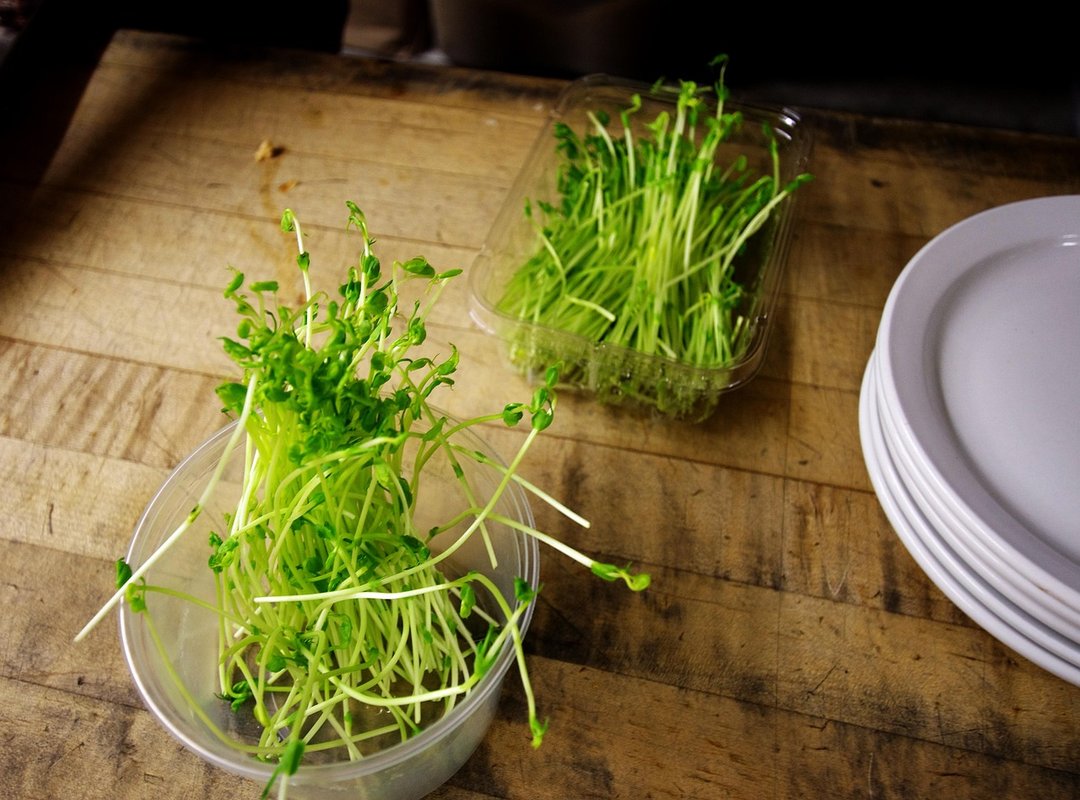
I’ve made this decoction more times than I can count. And every time, I still wash the leaves twice.
Step one: Sourcing the herbs. You need fresh Kayudapu leaves. Not dried, not powdered, not from a bag labeled “herbal blend.” Go to a trusted grower.
Or better yet, pick them yourself from a plant you know hasn’t been sprayed. Pesticides don’t boil off. They stick around.
And they mess with what the herb is supposed to do.
Wash the leaves under cold running water. Rub them gently between your fingers. Then rinse again.
Do it twice. Yes, it’s tedious. Yes, I skip it sometimes (bad idea).
Dirt isn’t just dirt (it) carries microbes and residue.
Use one cup of fresh leaves per quart of water. Bring it to a full boil. Then lower the heat and simmer (uncovered) — for 18 minutes.
Not 15. Not 20. Eighteen.
Set a timer. I used to eyeball it. Got inconsistent results.
Traditional practice suggests taking two tablespoons, up to three times a day. But start with one tablespoon once. See how your body reacts.
Some people feel calm. Others get mild nausea. That’s normal.
It means your system is responding.
Store the cooled decoction in a clean glass jar. Keep it refrigerated. Use it within 48 hours.
After that, it loses potency. And no, freezing doesn’t help much. The active compounds break down.
Can I Take Food Kayudapu on a Plane? That’s a real question (especially) if you’re traveling with it for personal use. The answer depends on where you’re flying from, what form it’s in, and how much you’re carrying.
Don’t assume TSA or foreign customs will recognize it as herbal. They won’t. Label it clearly.
Carry documentation if you can.
This isn’t medicine. It’s tradition. Handle it like something that matters.
Because it does.
Safety First: When to Stop and When to Call a Doctor
I’ve seen people treat herbs like snacks. They’re not.
Kayudapu is not FDA-approved. It’s not tested in large clinical trials. And it’s definitely not a replacement for your doctor.
Pregnant or breastfeeding? Skip it. On blood thinners or diabetes meds?
Don’t risk it. Got kidney disease or autoimmune issues? Walk away.
Misidentifying plants is easier than you think. That “lookalike” weed in your backyard could land you in urgent care. (Yes, I’ve seen it happen.)
If you get hives, shortness of breath, or your stomach starts roaring like a bear. Stop. Right now.
Worsening symptoms? No more waiting. Go see a real doctor.
Traditional remedies have value. But only when used with professional care, not instead of it.
You wouldn’t ignore chest pain because your aunt swore by ginger tea. So why ignore a rash or dizziness?
Tradition Isn’t Magic. It’s Medicine.
I’ve seen too many people grab Kayudapu off a shelf and swallow it like candy.
They skip the hard questions. Skip the talk with their doctor. Skip the part where safety matters more than speed.
That’s how things go sideways.
Kayudapu isn’t a shortcut. It’s a tool (one) that works only when used with respect and real knowledge.
You wanted natural wellness. You wanted tradition that works. Not folklore dressed up as treatment.
So here’s what you do next:
Call your healthcare provider. Tell them you’re considering Kayudapu. Ask if it fits your body, your meds, your health history.
Not someone else’s. Yours.
We’re the #1 rated resource for evidence-backed traditional remedy guidance. Because we refuse to treat tradition like a trend.
Your health isn’t a test run.
Talk to your provider first.
 Kitchen Efficiency & Innovation Specialist
Graham Royalimores is the kind of writer who genuinely cannot publish something without checking it twice. Maybe three times. They came to culinary pulse through years of hands-on work rather than theory, which means the things they writes about — Culinary Pulse, Falotani Fusion Dishes, Flavor Pairing Techniques, among other areas — are things they has actually tested, questioned, and revised opinions on more than once.
That shows in the work. Graham's pieces tend to go a level deeper than most. Not in a way that becomes unreadable, but in a way that makes you realize you'd been missing something important. They has a habit of finding the detail that everybody else glosses over and making it the center of the story — which sounds simple, but takes a rare combination of curiosity and patience to pull off consistently. The writing never feels rushed. It feels like someone who sat with the subject long enough to actually understand it.
Outside of specific topics, what Graham cares about most is whether the reader walks away with something useful. Not impressed. Not entertained. Useful. That's a harder bar to clear than it sounds, and they clears it more often than not — which is why readers tend to remember Graham's articles long after they've forgotten the headline.
Kitchen Efficiency & Innovation Specialist
Graham Royalimores is the kind of writer who genuinely cannot publish something without checking it twice. Maybe three times. They came to culinary pulse through years of hands-on work rather than theory, which means the things they writes about — Culinary Pulse, Falotani Fusion Dishes, Flavor Pairing Techniques, among other areas — are things they has actually tested, questioned, and revised opinions on more than once.
That shows in the work. Graham's pieces tend to go a level deeper than most. Not in a way that becomes unreadable, but in a way that makes you realize you'd been missing something important. They has a habit of finding the detail that everybody else glosses over and making it the center of the story — which sounds simple, but takes a rare combination of curiosity and patience to pull off consistently. The writing never feels rushed. It feels like someone who sat with the subject long enough to actually understand it.
Outside of specific topics, what Graham cares about most is whether the reader walks away with something useful. Not impressed. Not entertained. Useful. That's a harder bar to clear than it sounds, and they clears it more often than not — which is why readers tend to remember Graham's articles long after they've forgotten the headline.