
Cooking for one tonight and a crowd tomorrow shouldn’t require guesswork. This guide to scaling recipes correctly exactly as it is given shows you how to adjust any dish without sacrificing flavor, texture, or balance. Simply doubling or halving ingredients can lead to dense cakes, bland sauces, or overly salty soups because recipe math isn’t always linear. Here, you’ll learn the core principles behind accurate measurement adjustments, flavor ratios, and cooking time changes so your meals turn out right every time. With clear, practical steps grounded in fundamental culinary techniques, you’ll gain the confidence to scale any recipe up or down successfully.
The Foundation: Finding Your Recipe Conversion Factor
By mastering the art of scaling recipes while maintaining their original flavors, you’ll not only elevate your cooking skills but also discover how global food essentials can further enhance your everyday meals – for more details, check out our How Global Food Essentials Enhance Everyday Meals.
Think of a recipe conversion factor as the zoom button on a camera. You’re not changing the picture itself—just how big it appears. The core formula is beautifully simple: Desired Servings ÷ Original Servings = Conversion Factor. That single number becomes your master key.
How the Math Works in Real Life
Let’s say a recipe serves 8, but you only need 2. Divide 2 ÷ 8 = 0.25. That means every ingredient gets multiplied by 0.25. Suddenly, a full cup becomes 1/4 cup. It’s like turning down the volume without muting the song.
Now flip it. A dish serves 4, but you’re feeding 10. Divide 10 ÷ 4 = 2.5. Multiply every ingredient by 2.5. Yes, every single one (even the salt).
Quick Conversion Cheatsheet:
- Halving = 0.5
- Doubling = 2.0
- 6 from 4 = 1.5
Here’s the crucial part: apply the factor to every ingredient before tweaking flavors or cook times. Skipping one is like forgetting a wheel on a car.
Once you master scaling recipes correctly, you unlock endless flexibility—including bold twists like these creative recipe adaptation ideas using seasonal ingredients.
Weight vs. Volume: The Professional Secret to Precision
If you’ve ever baked the same bread twice and gotten two different results, cups and spoons are probably to blame. Volumetric measurement means measuring by how much space something takes up. The problem? Dry ingredients change shape depending on how they’re handled. A cup of flour can vary by 20% or more depending on whether it’s scooped, spooned, or shaken (yes, that little tap on the counter matters). That difference can mean dense muffins instead of fluffy ones.
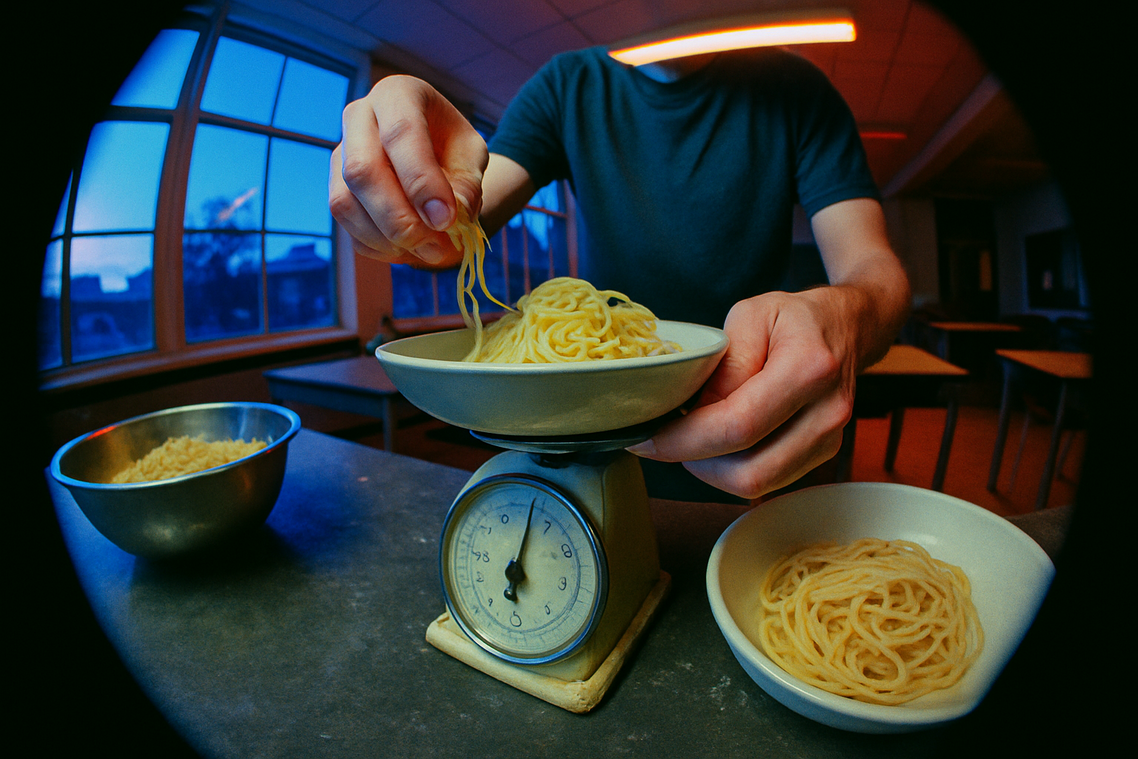
So, what’s the fix? Weight. When you measure by grams or ounces—absolute units that don’t change—you remove the guesswork entirely. A kitchen scale ensures 120 grams of flour is always 120 grams, no matter who’s baking. It’s why professionals rely on scales; consistency is king (and no, this isn’t just chef snobbery).
To get started, look for recipes that list ingredients by weight. If your favorite doesn’t, convert it. For example:
- 1 cup all-purpose flour ≈ 120g
- 1 cup granulated sugar ≈ 200g
- 1 cup butter ≈ 227g
Pro tip: Tare your scale between ingredients to avoid extra dishes.
Of course, there’s an exception. Liquids like water, milk, and oil have consistent density, so milliliters and fluid ounces are generally reliable.
Use scaling recipes correctly in the section once exactly as it is given
Ultimately, switching to weight is like upgrading from guesswork to GPS precision (think baking, but less “nailed it” and more “nailed it perfectly”).
The Art of Adjustment: Ingredients That Don’t Scale Linearly
Few things are more frustrating than doubling a recipe only to end up with soup that tastes like seawater or cake that collapses in the center. You followed the math. You trusted the ratios. And yet—disaster. The truth is, some ingredients simply refuse to behave.
Spices, Salt, and Herbs
Flavor compounds (the chemical molecules responsible for taste and aroma) don’t scale in neat, obedient lines. When doubling a recipe, multiply salt and potent spices by 1.5x, not 2x. Taste and adjust at the end. It’s far easier to add than subtract (and no, tossing in a potato won’t magically “fix” oversalted stew).
Pro tip: Toast whole spices before scaling up large batches—their intensity becomes more predictable.
Leavening Agents (Baking Soda/Powder)
These create chemical reactions that depend on surface area and volume. When increasing a recipe more than double, reduce leavening slightly—about 10–15% less than the straight multiplication suggests. Too much, and your cake rises fast… then sinks like a deflated balloon.
Alcohol and Extracts (Vanilla, Almond)
These are concentrated flavor extracts—meaning tiny amounts carry big impact. When doubling, use a 1.5x to 1.75x multiplier. Otherwise, your cookies may taste like perfume (and not in a good way).
Aromatics (Garlic, Onions, Chilies)
Intensity varies by freshness and variety. Scale conservatively at first, especially with chilies. You can always add more heat; you can’t un-burn tongues.
If you want to master scaling recipes correctly, remember:
- Adjust gradually
- Taste repeatedly
- Respect potency
Because cooking isn’t just math—it’s controlled chemistry with attitude.
Beyond the Ingredients: Adjusting Equipment and Technique
Great results aren’t just about ingredients—they’re about how you handle them. When scaling recipes correctly, your pan or dish size becomes critical. A larger batch needs a wider vessel so heat circulates evenly and browning happens instead of steaming. A smaller batch? Use a tighter pan to avoid dry edges (no one wants lasagna chips).
Cooking time shifts, too. A bigger mass cooks longer—but not twice as long. For baked goods, slightly lowering the temperature helps the center cook before the crust overbrowns. The payoff is even texture and better flavor development.
For dough, larger batches may demand longer mixing or a sturdier mixer to develop gluten—the protein network that gives bread structure. Think of it like leveling up your kitchen gear (Rocky training montage optional).
Cook with Confidence at Any Scale
Fear of ruining a dish just because you changed the serving size is one of the most common kitchen anxieties. No one wants a soup that’s too salty or a cake that won’t rise. The good news? scaling recipes correctly doesn’t have to be complicated. When you apply a simple conversion factor, measure by weight, and thoughtfully adjust non-linear ingredients like spices and leaveners, you remove the guesswork. Pick a favorite recipe and adapt it for your next meal—whether it’s dinner for two or a table full of guests.
 Culinary Content Strategist
Heather Woodstingser is the kind of writer who genuinely cannot publish something without checking it twice. Maybe three times. They came to culinary pulse through years of hands-on work rather than theory, which means the things they writes about — Culinary Pulse, Falotani Fusion Dishes, Flavor Pairing Techniques, among other areas — are things they has actually tested, questioned, and revised opinions on more than once.
That shows in the work. Heather's pieces tend to go a level deeper than most. Not in a way that becomes unreadable, but in a way that makes you realize you'd been missing something important. They has a habit of finding the detail that everybody else glosses over and making it the center of the story — which sounds simple, but takes a rare combination of curiosity and patience to pull off consistently. The writing never feels rushed. It feels like someone who sat with the subject long enough to actually understand it.
Outside of specific topics, what Heather cares about most is whether the reader walks away with something useful. Not impressed. Not entertained. Useful. That's a harder bar to clear than it sounds, and they clears it more often than not — which is why readers tend to remember Heather's articles long after they've forgotten the headline.
Culinary Content Strategist
Heather Woodstingser is the kind of writer who genuinely cannot publish something without checking it twice. Maybe three times. They came to culinary pulse through years of hands-on work rather than theory, which means the things they writes about — Culinary Pulse, Falotani Fusion Dishes, Flavor Pairing Techniques, among other areas — are things they has actually tested, questioned, and revised opinions on more than once.
That shows in the work. Heather's pieces tend to go a level deeper than most. Not in a way that becomes unreadable, but in a way that makes you realize you'd been missing something important. They has a habit of finding the detail that everybody else glosses over and making it the center of the story — which sounds simple, but takes a rare combination of curiosity and patience to pull off consistently. The writing never feels rushed. It feels like someone who sat with the subject long enough to actually understand it.
Outside of specific topics, what Heather cares about most is whether the reader walks away with something useful. Not impressed. Not entertained. Useful. That's a harder bar to clear than it sounds, and they clears it more often than not — which is why readers tend to remember Heather's articles long after they've forgotten the headline.