
If you’re searching for smarter ways to elevate everyday cooking while saving time in the kitchen, you’re in the right place. This article explores global food essentials, creative flavor pairing techniques, innovative fusion dish ideas, and practical strategies to improve meal prep productivity—all designed to help you cook with more confidence and less stress.
Many home cooks struggle to balance bold flavors with efficiency. It’s easy to fall into repetitive meals or spend hours experimenting without clear results. Here, you’ll find practical guidance that connects culinary creativity with streamlined kitchen workflows, so you can adapt recipes, reduce waste, and build meals that truly excite your palate.
Our insights are grounded in extensive culinary research, hands-on testing of flavor combinations, and proven kitchen optimization methods. Whether you’re refining your weekly meal routine or experimenting with fusion cuisine, this guide delivers actionable, trustworthy strategies to help you cook smarter and more creatively.
Beyond the Plastic Container: A New Strategy for Advance Meal Preparation
Tired of Sunday’s identical chicken-and-rice marathon? “If I have to eat this again, I’m ordering pizza,” a friend once groaned. That frustration is common: repetitive prep kills motivation. Instead, think like a restaurant. Chefs build components—roasted vegetables, grains, sauces, proteins—then recombine them nightly. The term mise en place means “everything in its place,” and it transforms meal prep productivity without boredom. For example, cumin-spiced lentils become tacos, salads, or soups with twists. Some argue batch cooking must mean monotony; however, variety thrives when flavors stay modular (think Lego bricks).
The “Component Cooking” Method: Building Blocks for a Dynamic Week
Shift Your Mindset
By incorporating meal prep strategies that streamline your cooking process, you can not only save time in the kitchen but also create the perfect opportunity to experiment with modern adaptations of your family’s cherished recipes – for more details, check out our How to Transform Family Recipes with Modern Recipe Adaptation Ideas.
Stop cooking five identical meals. Start building versatile components—individual ingredients prepared in advance and mixed differently throughout the week. Instead of “chicken and broccoli again,” think grain bowls Monday, tacos Tuesday, stir-fry Wednesday. The benefit? Variety without extra effort (because boredom is the fastest way to abandon a plan). This approach dramatically boosts meal prep productivity while keeping flavors fresh.
Batch Your Grains
Cook large batches of quinoa, rice, or farro and store them in airtight containers for up to four days. Season the cooking water with salt, bay leaves, garlic cloves, or a squeeze of lemon for built-in flavor. Well-seasoned grains mean less work later and more satisfying meals overall. Pro tip: spread grains on a sheet pan to cool quickly and prevent clumping.
Master Your Proteins
Batch-cook chicken breasts, browned beef, baked tofu, or lentils with neutral seasonings like olive oil, salt, and pepper. Neutral doesn’t mean bland—it means adaptable. Today’s cumin-spiced taco filling becomes tomorrow’s sesame-ginger bowl. Proper resting and slicing against the grain keeps proteins moist, giving you better texture and longer-lasting freshness.
Roast a Rainbow of Vegetables
Use one sheet pan to roast carrots, peppers, zucchini, and sweet potatoes at 425°F. Keep pieces uniform for even cooking. Heartier vegetables store best, delivering ready-to-use color, nutrients, and flavor all week.
Your weekly payoff:
- Faster assembly
- More flavor flexibility
- Less food waste
- Zero midweek dinner stress
Component cooking turns your fridge into a choose-your-own-adventure kitchen.
Flavor Systems: The Secret to Eliminating Meal Prep Boredom
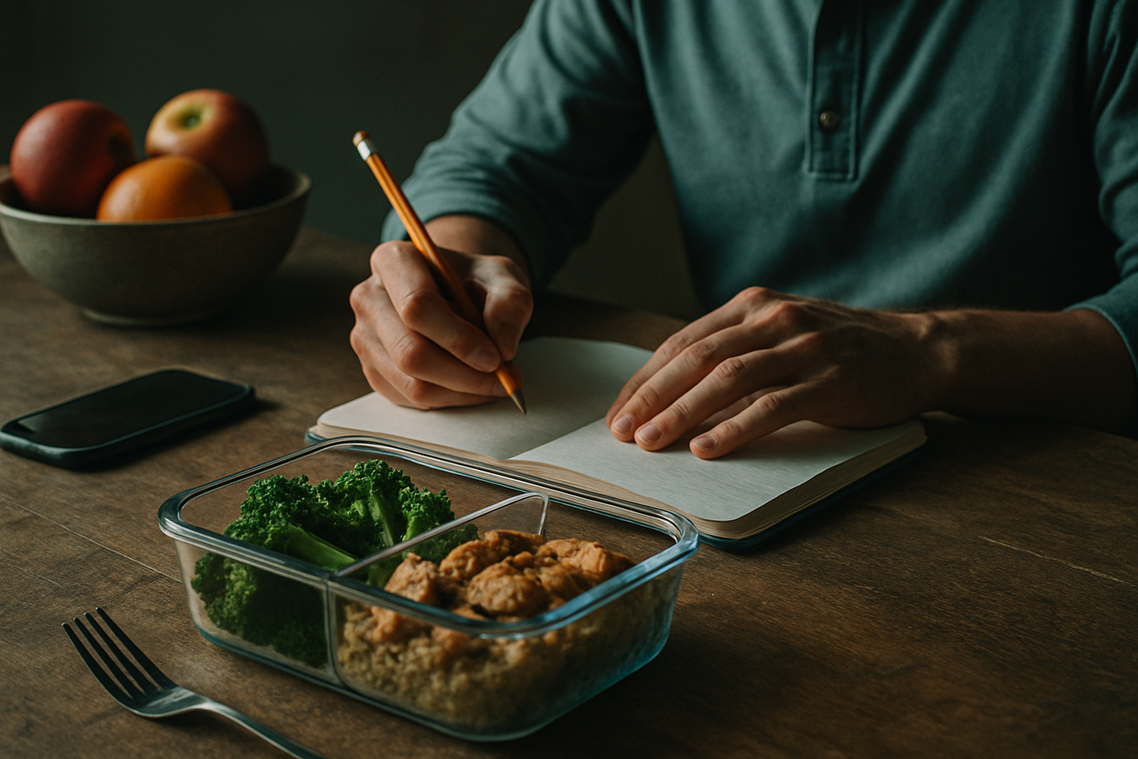
If your Sunday prep turns into Thursday fatigue, the problem usually isn’t effort—it’s flavor fatigue. Research shows sensory-specific satiety (the decline in pleasure from eating the same taste repeatedly) reduces satisfaction even when meals are nutritionally balanced (Rolls, 1986). In short: your brain gets bored.
The fix? Flavor systems—modular taste upgrades that transform the same base ingredients into entirely different meals.
The Power of Sauces
Prepare 2–3 versatile sauces each week:
- Lemon-tahini (bright and creamy)
- Slow-simmered tomato sauce (savory depth)
- Cilantro-lime vinaigrette (acidic and fresh)
A Cornell study found that adding sauces increased perceived meal variety without increasing prep time (Wansink, 2010). That’s a direct boost to meal prep productivity.
Create Custom Spice Blends
Move beyond salt and pepper. Combine smoked paprika, cumin, and garlic powder for proteins, or coriander and turmeric for vegetables. One shake, signature flavor. (Think of it like your kitchen’s “theme song.”)
Infused Oils and Toppings
A 30-second garlic-infused oil or toasted sesame seeds adds aroma and texture—two factors proven to enhance flavor perception (Spence, 2015).
Recipe Adaptation Example
Start with chicken, quinoa, roasted broccoli.
- Greek: Lemon-tahini + oregano blend + feta
- Mexican: Cilantro-lime + chili-cumin spice + pumpkin seeds
- Asian-inspired: Garlic oil + soy-ginger seasoning + sesame seeds
If you’re repeating steps inefficiently, review these common kitchen workflow mistakes slowing you down: https://falotani.net/common-kitchen-workflow-mistakes-slowing-you-down/
Same components. Three identities. (No boredom required.)
Strategic Kitchen Workflow: Optimizing Your Time and Space
The “Mise en Place” Principle
Mise en place—a French term meaning “everything in its place”—is the professional habit of prepping all ingredients before cooking. According to the National Restaurant Association, streamlined prep systems reduce kitchen errors and delays significantly in commercial settings. At home, the same logic applies. When vegetables are chopped and spices measured beforehand, you avoid mid-recipe scrambling (and that moment when garlic burns because you were still slicing onions).
Order of Operations
Next, think strategically. Start with long-cooking items like roasted vegetables or grains, which can take 30–45 minutes. While they cook, prep proteins, sauces, or quick-sauté items. This layered workflow mirrors culinary school training models that emphasize time-block sequencing for efficiency. As a result, meal prep productivity increases because passive cooking time becomes active prep time.
Tool Efficiency
Equally important, the right tools matter. A sharp chef’s knife improves speed and safety—studies show dull blades cause more accidents due to slipping. Multiple cutting boards prevent cross-contamination, and a food processor can cut sauce prep time in half (pesto in 30 seconds feels almost unfair).
Clean as You Go
Finally, clean continuously. Research in workplace productivity shows small, ongoing resets reduce end-task fatigue. In the kitchen, that means no overwhelming pile waiting at the end—just a smooth, controlled finish.
Glass containers aren’t just pretty; they’re practical. Unlike plastic, glass won’t absorb curry aromas or tomato stains, and it reheats evenly without leaching chemicals (yes, even “BPA-free” can warp). Some argue plastic is lighter and cheaper—and they’re right. But if you care about TRUE flavor, glass wins.
Separation is key: store grains, proteins, and greens apart; keep sauces sealed until serving to avoid sogginess.
Cooling food completely before refrigerating prevents condensation, which fuels bacterial growth, according to the USDA. Don’t rush lid—trapped steam ruins texture and meal prep productivity. SMALL HABITS matter.
Here’s the truth: most meal prep fails because it’s boring. This blueprint flips that. By batching versatile proteins, grains, and sauces, you build a flexible system that fuels real meal prep productivity without locking you into sad, identical lunches. In my experience, flavor systems—like smoky chipotle or bright Mediterranean—are the secret weapon (and yes, they beat plain chicken and rice). Some argue variety complicates prep; I think the opposite. Structure creates freedom. So start small. Pick one flavor profile and three components this weekend, mix and match, and watch your weeknights feel lighter, tastier, and far more intentional. Trust me.
Bring More Flavor and Efficiency to Your Table
You came here looking for smarter ways to elevate everyday cooking with global flavors, better pairings, and streamlined techniques. Now you have practical strategies to combine bold ingredients, adapt recipes with confidence, and turn ordinary meals into memorable dishes.
The real challenge isn’t inspiration—it’s consistency. When your kitchen feels disorganized or your flavors fall flat, cooking becomes frustrating instead of fulfilling. By applying thoughtful flavor pairing, fusion creativity, and meal prep productivity, you remove the stress and make every dish intentional.
Now it’s time to take action. Start by choosing one new fusion idea to try this week, reorganize your prep flow for efficiency, and experiment with a fresh global ingredient. If you’re ready to stop wasting time in the kitchen and start creating balanced, exciting meals with confidence, explore our expert-backed guides and proven techniques today. Join thousands of home cooks who trust our insights to simplify cooking and amplify flavor—dive in now and transform your next meal.
 Culinary Content Strategist
Heather Woodstingser is the kind of writer who genuinely cannot publish something without checking it twice. Maybe three times. They came to culinary pulse through years of hands-on work rather than theory, which means the things they writes about — Culinary Pulse, Falotani Fusion Dishes, Flavor Pairing Techniques, among other areas — are things they has actually tested, questioned, and revised opinions on more than once.
That shows in the work. Heather's pieces tend to go a level deeper than most. Not in a way that becomes unreadable, but in a way that makes you realize you'd been missing something important. They has a habit of finding the detail that everybody else glosses over and making it the center of the story — which sounds simple, but takes a rare combination of curiosity and patience to pull off consistently. The writing never feels rushed. It feels like someone who sat with the subject long enough to actually understand it.
Outside of specific topics, what Heather cares about most is whether the reader walks away with something useful. Not impressed. Not entertained. Useful. That's a harder bar to clear than it sounds, and they clears it more often than not — which is why readers tend to remember Heather's articles long after they've forgotten the headline.
Culinary Content Strategist
Heather Woodstingser is the kind of writer who genuinely cannot publish something without checking it twice. Maybe three times. They came to culinary pulse through years of hands-on work rather than theory, which means the things they writes about — Culinary Pulse, Falotani Fusion Dishes, Flavor Pairing Techniques, among other areas — are things they has actually tested, questioned, and revised opinions on more than once.
That shows in the work. Heather's pieces tend to go a level deeper than most. Not in a way that becomes unreadable, but in a way that makes you realize you'd been missing something important. They has a habit of finding the detail that everybody else glosses over and making it the center of the story — which sounds simple, but takes a rare combination of curiosity and patience to pull off consistently. The writing never feels rushed. It feels like someone who sat with the subject long enough to actually understand it.
Outside of specific topics, what Heather cares about most is whether the reader walks away with something useful. Not impressed. Not entertained. Useful. That's a harder bar to clear than it sounds, and they clears it more often than not — which is why readers tend to remember Heather's articles long after they've forgotten the headline.