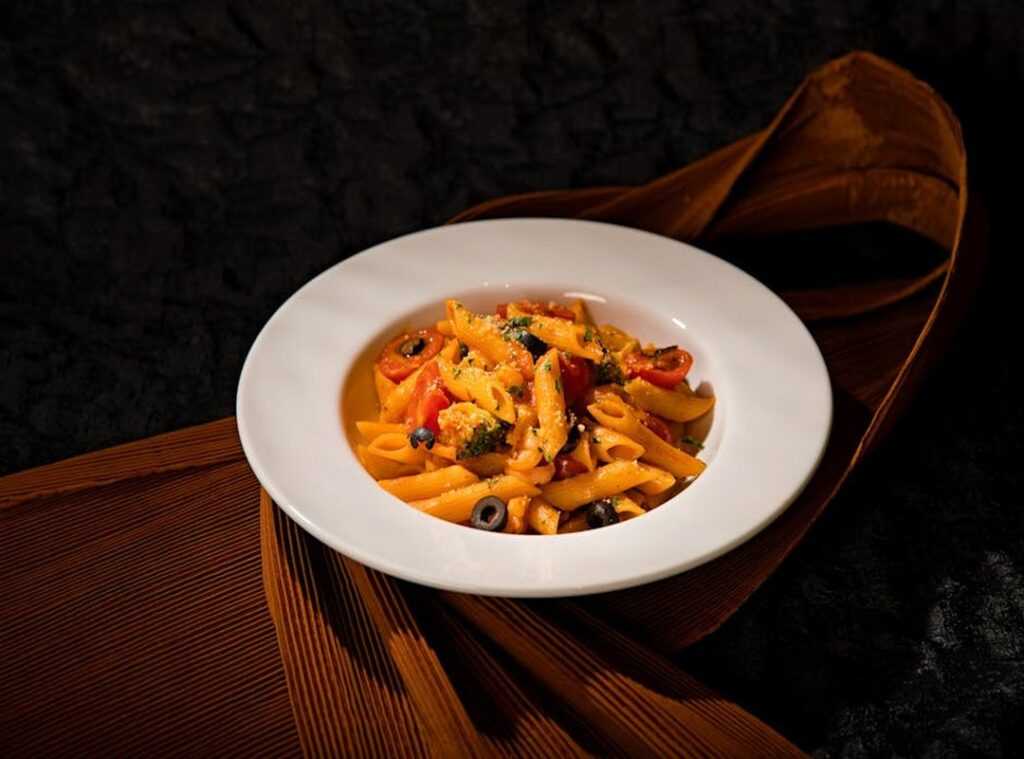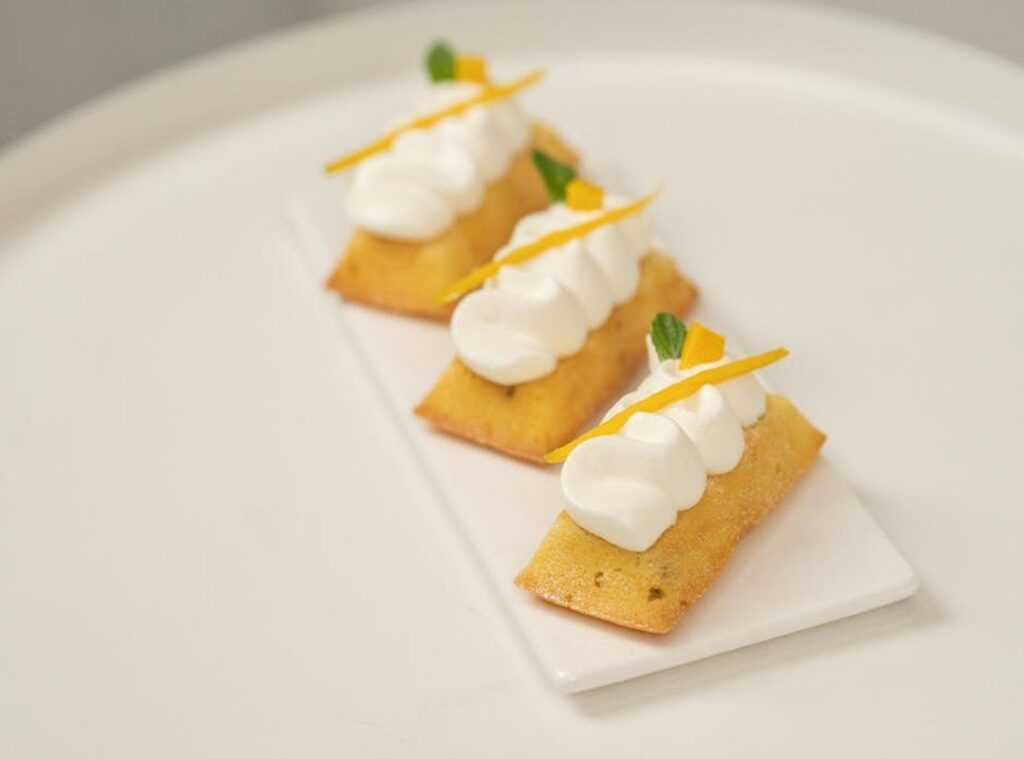
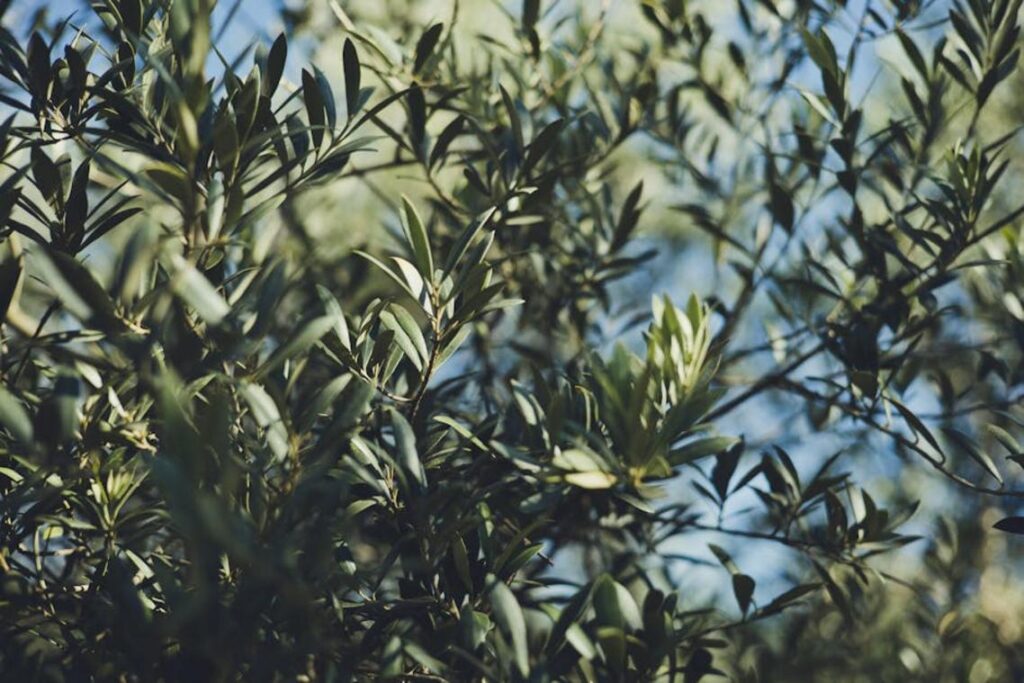
If you’ve ever wondered how to bring deeper flavor, balance, and creativity into your cooking, you’re in the right place. This article is designed to help you understand global food essentials, master flavor pairing techniques, and confidently experiment with fusion dishes that elevate everyday meals. Whether you’re adapting a traditional recipe or building something entirely new, you’ll find practical guidance rooted in real culinary practice.
We’ve carefully studied global cooking traditions, tested flavor combinations across cuisines, and analyzed how spices, textures, and techniques interact in real kitchens. The result is a clear, actionable roadmap you can trust.
Inside, you’ll discover how to use an international spice guide to unlock authentic flavor profiles, streamline your kitchen workflow, and adapt recipes to suit your taste, pantry, and dietary needs. If your goal is smarter cooking with bolder results, this guide delivers exactly that.
Stuck using salt and pepper? Let’s expand your pantry with this international spice guide—a practical roadmap to bolder meals.
Take cumin vs coriander. Cumin is earthy and warm (think smoky chili) while coriander is citrusy and bright. Paprika vs chili powder? Paprika adds sweet depth chili powder brings heat from ground dried chiles. Knowing the difference changes everything.
In other words spices aren’t “spicy” Turmeric offers bitterness and color cardamom delivers floral sweetness (yes like chai)
Pro tip toast spices briefly to unlock volatile oils—the aromatic compounds that create flavor (Harold McGee On Food and Cooking)
Tonight swap one seasoning
Whole spices and ground spices aren’t interchangeable—they’re at different life stages. Whole cumin seeds or peppercorns protect their volatile oils (aromatic compounds that create flavor). Once ground, those oils dissipate quickly. That’s why freshly ground tastes brighter, deeper, and more complex (like switching from instant coffee to a fresh pull of espresso).
Here’s what many overlook:
- Whole for slow builds: stews, curries, braises
- Ground for quick blends: rubs, batters, finishing dusts
Toasting is your unfair advantage. Heat whole spices in a dry pan for 30–60 seconds until fragrant. This activates dormant oils and intensifies sweetness and warmth. Pro tip: remove immediately to prevent bitterness.
Store spices away from heat, light, and air—never above the stove. Airtight containers in a dark cabinet preserve potency.
Spices don’t spoil; they fade. Try the “palm test”: crush a pinch and inhale. No aroma? Replace it.
For deeper layering strategies, consult an international spice guide to balance regional profiles with precision.
The Warm & Complex Spices of Asia
Asian cuisine would be unrecognizable without its warm, aromatic backbone. Yet some argue these spices are “too strong” or “too unfamiliar” for everyday cooking. I’d counter that intensity is simply a matter of proportion—and once understood, these spices become remarkably versatile (and far less intimidating than they seem).
Cardamom (Green & Black)
Green cardamom is citrusy and floral, while black cardamom is smoky with a menthol-like depth. Green brightens Indian chai and creamy curries; black anchors slow-cooked stews and braises. Some critics say cardamom tastes medicinal. However, used sparingly, it adds elegance rather than overpowering flavor. Try crushing a single green pod into coffee or rice pudding for subtle lift. Pro tip: Lightly bruise the pod instead of grinding it to control intensity.
Turmeric
Earthy, pungent, and slightly bitter, turmeric delivers its signature golden hue to curries, lentils, and marinades. Detractors claim it’s all color and little flavor. In reality, its gentle bitterness balances rich dishes. Pair it with black pepper—piperine enhances curcumin absorption and flavor (National Institutes of Health). That synergy is why it appears so often in traditional blends.
Star Anise
Pungent, sweet, and licorice-like, star anise defines Chinese five-spice powder, Vietnamese pho, and braised meats. Because of its potency, some avoid it altogether. Instead, use a single pod to perfume an entire broth—restraint transforms boldness into nuance.
Coriander Seed
Warm, nutty, and citrusy—distinct from cilantro leaves—coriander seed forms the base of countless rubs and pickling brines. Toast and crush it over roasted vegetables for textured brightness. For deeper exploration, consult an international spice guide and experiment thoughtfully.
The Smoky & Earthy Spices of the Americas
When building bold, comforting flavor, few regions rival the Americas. Let’s break down three essential spices—and exactly how to use them.
Cumin
Profile: Earthy, nutty, deeply savory.
Cumin is the backbone of many Mexican, Latin American, and Tex-Mex dishes. Start by toasting whole seeds in a dry pan for 30 seconds until fragrant, then grind. This simple step intensifies its oils (and makes your kitchen smell incredible). Use it in chili, taco seasoning, or dry rubs. Its earthiness balances chile heat and bright acidity from tomatoes or lime. If a dish tastes “flat,” a pinch of cumin often fixes it.
Smoked Paprika (Pimentón)
Profile: Sweet, cool, intensely smoky.
Unlike standard paprika, this delivers a campfire essence. Bloom it gently in oil over low heat for 20–30 seconds before adding liquids. This releases fat-soluble flavor compounds (Harold McGee, On Food and Cooking). Stir into roasted potatoes, chicken, or beans for a grilled effect—no backyard required.
Ancho Chile Powder
Profile: Mild heat with sweet, raisin-like depth.
Use as the base for mole or enchilada sauce. For a twist, add one teaspoon to brownie batter (think smoky hot chocolate energy).
For broader pantry strategy, explore a beginners guide to international grains and legumes: https://falotani.net/a-beginners-guide-to-international-grains-and-legumes/ and build your own international spice guide.
The Aromatic & Bright Spices of Europe and the Mediterranean
Sumac
Profile: Tangy, sour, and lemony with a deep red hue. Sumac comes from dried and ground berries of the Rhus plant, creating a naturally acidic spice without added liquid.
Uses: A staple in Middle Eastern and Mediterranean cooking, it’s sprinkled over salads, grilled meats like kebabs, and creamy dips such as hummus. Its dry acidity keeps textures crisp (no soggy greens).
Kitchen Hack: Use sumac as a dry substitute for lemon juice when you want brightness without thinning a sauce.
Saffron
Profile: Luxurious, floral, honey-like, and slightly bitter. Harvested from the stigma of the Crocus sativus flower, it takes about 75,000 blossoms to yield one pound (FAO).
Uses: Essential for Spanish paella, Italian risotto, and Persian rice dishes, where it delivers golden color and layered aroma.
Efficiency Tip: Steep threads in warm water for 10 minutes before adding—this maximizes flavor distribution and prevents waste.
Fennel Seed
Profile: Sweet, aromatic, mildly licorice-like—less sharp than anise.
Uses: Classic in Italian sausage and rye bread; pairs beautifully with pork and fish.
Recipe Adaptation: Toast and crush for a fragrant crust on roasted salmon.
This trio earns a prime spot in any international spice guide because each spice delivers intensity, color, and balance with minimal effort.
Start Your Flavor Transformation Today
You now have a foundational map to the world of spices, moving from uncertainty to confidence.
No more bland or repetitive meals.
By understanding the core profile of a few key spices, you can create thousands of flavor variations.
That’s not hype; it’s how professional kitchens build menus.
Here’s my recommendation: start small and specific.
Buy one new spice from this international spice guide on your next grocery trip.
Commit to using it in one dish this week.
Toast it, taste it, tweak it.
Flavor favors the bold and curious.
Your culinary adventure begins now.
Bring Global Flavor Into Your Kitchen Today
You came here looking for clarity on how to elevate everyday cooking with global flavors, smarter pairings, and more efficient techniques. Now you have a practical understanding of how essential ingredients, balanced spice combinations, and adaptable recipes can completely transform your meals.
The real challenge wasn’t finding recipes — it was knowing how to layer flavors confidently, avoid bland or overpowering dishes, and make the most of what’s already in your kitchen. With the right approach and a reliable international spice guide, you’re no longer guessing. You’re building depth, balance, and creativity into every plate.
Now it’s time to take action. Start experimenting with one new fusion pairing this week. Refresh your pantry with versatile global staples. Apply one efficiency tip to simplify your prep tonight.
If you’re ready to stop cooking the same predictable meals and start creating bold, memorable dishes, explore more expert-backed flavor strategies and kitchen-tested techniques trusted by thousands of home cooks worldwide. Dive in now and turn every meal into an experience.
 Founder & Culinary Visionary
Zyvaris Dolthane has opinions about kitchen efficiency tips. Informed ones, backed by real experience — but opinions nonetheless, and they doesn't try to disguise them as neutral observation. They thinks a lot of what gets written about Kitchen Efficiency Tips, Flavor Pairing Techniques, Recipe Adaptation Ideas is either too cautious to be useful or too confident to be credible, and they's work tends to sit deliberately in the space between those two failure modes.
Reading Zyvaris's pieces, you get the sense of someone who has thought about this stuff seriously and arrived at actual conclusions — not just collected a range of perspectives and declined to pick one. That can be uncomfortable when they lands on something you disagree with. It's also why the writing is worth engaging with. Zyvaris isn't interested in telling people what they want to hear. They is interested in telling them what they actually thinks, with enough reasoning behind it that you can push back if you want to. That kind of intellectual honesty is rarer than it should be.
What Zyvaris is best at is the moment when a familiar topic reveals something unexpected — when the conventional wisdom turns out to be slightly off, or when a small shift in framing changes everything. They finds those moments consistently, which is why they's work tends to generate real discussion rather than just passive agreement.
Founder & Culinary Visionary
Zyvaris Dolthane has opinions about kitchen efficiency tips. Informed ones, backed by real experience — but opinions nonetheless, and they doesn't try to disguise them as neutral observation. They thinks a lot of what gets written about Kitchen Efficiency Tips, Flavor Pairing Techniques, Recipe Adaptation Ideas is either too cautious to be useful or too confident to be credible, and they's work tends to sit deliberately in the space between those two failure modes.
Reading Zyvaris's pieces, you get the sense of someone who has thought about this stuff seriously and arrived at actual conclusions — not just collected a range of perspectives and declined to pick one. That can be uncomfortable when they lands on something you disagree with. It's also why the writing is worth engaging with. Zyvaris isn't interested in telling people what they want to hear. They is interested in telling them what they actually thinks, with enough reasoning behind it that you can push back if you want to. That kind of intellectual honesty is rarer than it should be.
What Zyvaris is best at is the moment when a familiar topic reveals something unexpected — when the conventional wisdom turns out to be slightly off, or when a small shift in framing changes everything. They finds those moments consistently, which is why they's work tends to generate real discussion rather than just passive agreement.