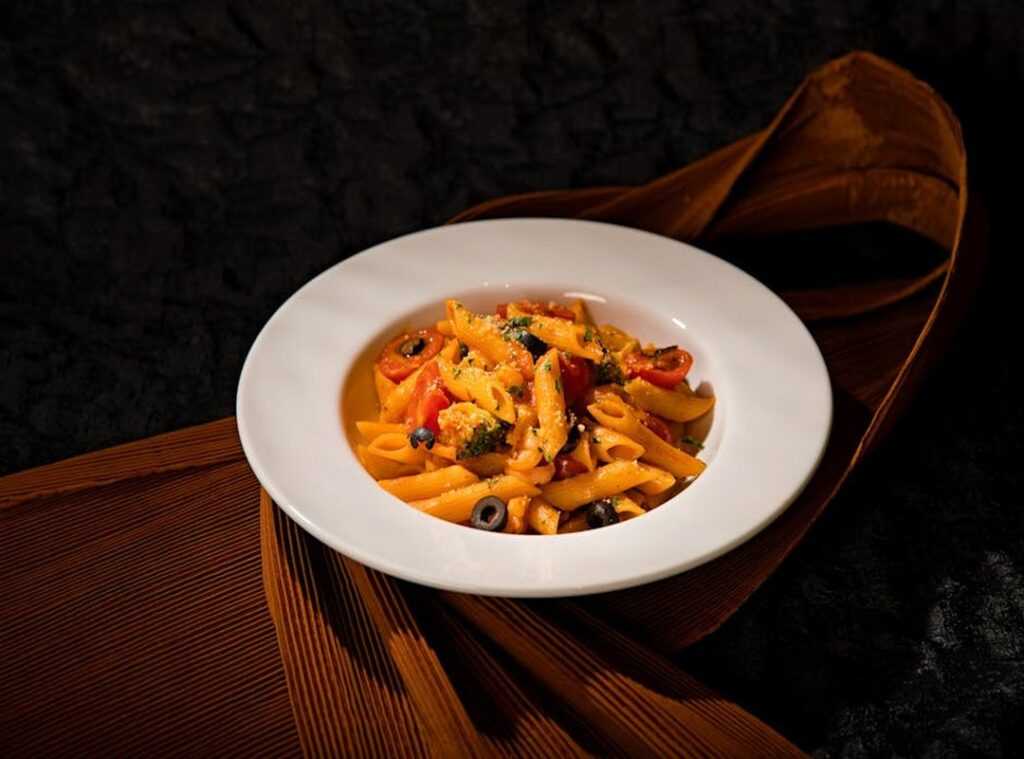

If you’re searching for smarter ways to elevate everyday cooking, explore bold flavor combinations, and make better use of what’s already in your kitchen, you’re in the right place. This article is designed to help you understand how global pantry staples can transform simple meals into memorable dishes, while also improving kitchen efficiency and creativity.
Many home cooks struggle with repetitive flavors, underused ingredients, or recipes that don’t adapt well to what’s on hand. Here, you’ll discover practical flavor pairing techniques, inspired fusion ideas, and flexible recipe adaptations that make cooking more intuitive and resourceful.
Our insights are grounded in extensive culinary research, cross-cultural food study, and hands-on experimentation with ingredient pairings and preparation methods. Every recommendation is crafted to be both accessible and globally inspired.
By the end, you’ll have actionable ideas to refresh your pantry strategy, reduce waste, and confidently create flavorful meals from ingredients you already trust.
Stuck making the same chicken with salt and pepper again? You’re not alone. Many home cooks fall into a routine because their pantry feels limited, and limited ingredients lead to repetitive, uninspired meals.
Fortunately, a few shelf-stable additions can change everything. Think smoked paprika for depth, coconut milk for richness, gochujang for sweet heat, and preserved lemons for bright acidity. These global pantry staples instantly expand your flavor range without complicating weeknight cooking.
Start small, experiment intentionally, and pair bold flavors with familiar dishes. Soon, your kitchen won’t feel restrictive—it’ll feel like a passport. Your taste buds will thank you.
The Umami Foundations of East & Southeast Asia
When I think about global pantry staples, three ingredients instantly earn permanent shelf space in my kitchen. Some argue these flavors are too strong for everyday cooking. I disagree. Used thoughtfully, they’re transformative rather than overpowering.
-
High-Quality Soy Sauce (or Tamari)
Not all soy sauce is created equal. Standard versions are often chemically hydrolyzed for speed, while premium varieties are naturally brewed—fermented over months for deeper complexity (similar to how good wine develops character). The flavor profile is salty, savory, and layered with subtle sweetness. I always splurge on the brewed kind; the difference is obvious in a simple stir-fry. Try whisking it into a vinaigrette or using it to deglaze a pan of roasted vegetables. -
Gochujang (Korean Chili Paste)
Thick, funky, sweet, and spicy, gochujang delivers heat without harshness. Some say it’s niche, but I mix a spoonful into mayonnaise for a fiery aioli or stir it into tomato soup for unexpected depth. -
Fish Sauce
Yes, it smells intense. That’s the point. Pungent, salty, and powerfully savory, just a few drops can replace anchovies in Caesar dressing or supercharge marinades and even bolognese sauce.
Tahini, Sumac & Pomegranate Molasses: Flavor Powerhouses
Some ingredients don’t just sit in your pantry—they transform it. If you’re building a collection of global pantry staples, start here.
Tahini (Sesame Paste) is a creamy paste made from ground sesame seeds. While famous for hummus, limiting it there is like using peanut butter only for sandwiches. Its flavor profile is nutty, creamy, and slightly bitter. Whisk it with lemon juice, garlic, and water for a silky sauce that elevates salads, grilled meats, or roasted vegetables. Drizzle it over baked sweet potatoes or grain bowls (trust me). Pro tip: Thin it gradually—tahini seizes before it smooths out.
Sumac is a vibrant, reddish-purple spice made from dried berries. It tastes bright, tangy, and lemony—without the sharp acidity of actual citrus. Sprinkle it over grilled chicken, fish, fattoush salad, or even popcorn for a surprising kick. If you love squeezing lemon on everything, this is your shortcut.
Pomegranate Molasses is a thick, syrupy reduction of pomegranate juice. Sweet and deeply tangy, it balances rich or bitter foods beautifully. Use it as a glaze for pork or duck, or drizzle over roasted Brussels sprouts (yes, they’ll finally taste exciting). A little goes a long way—think balsamic, but bolder.
The Rich & Smoky Flavors of Latin America

Latin American cooking is built on bold layers of flavor—smoke, sweetness, heat, and tang. If you stock a few smart ingredients, you can transform everyday meals into something unforgettable (yes, even Tuesday-night tacos).
-
Canned Chipotles in Adobo Sauce
Chipotles are smoked and dried jalapeños packed in a tangy tomato-vinegar sauce. The flavor profile is smoky, spicy, sweet, and tangy all at once. How to use: Finely mince one pepper and stir in a spoonful of the sauce into ground beef before cooking. The result? Deep, slow-cooked flavor in under 15 minutes—perfect for tacos or next-level burgers. -
Dried Chiles (Ancho & Guajillo)
These are flavor builders. Ancho chiles are mild, fruity, and raisin-like. Guajillos are tangy with a subtle smokiness. Kitchen Tip: Toast briefly in a dry pan (30–60 seconds), soak in hot water for 10 minutes, then blend into a smooth sauce for enchiladas or chili. -
Achiote Paste (Annatto)
Earthy, peppery, and slightly sweet. Mix with citrus juice and garlic to marinate pork or chicken before grilling—classic cochinita pibil style.
Stocking these global pantry staples makes building a world inspired pantry on a budget surprisingly achievable.
Building your pantry shouldn’t feel like a scavenger hunt. Yet, hunting down authentic ingredients can be frustrating, especially when big-box stores stock sad, dusty jars. Start smarter: 1. Visit local international markets for better prices and fresher finds; chat with shopkeepers about sourcing. 2. If that’s not possible, use reputable online retailers with fast turnover. Next, store global pantry staples wisely: spices in airtight containers away from heat and light, pastes refrigerated after opening, dried chiles in a cool, dark place. Finally, start small—pick one region and test two new items (your cabinet will thank you). Avoid overwhelm and waste.
Your Kitchen Is Now Your Culinary Passport
You know that moment: you open the pantry, see rice, pasta, canned beans—and feel absolutely nothing. The problem was never a lack of food. It was a lack of direction. A few high-impact ingredients change everything.
Here’s the clarification most people miss: flavor isn’t about quantity. It’s about concentration. Ingredients rich in umami (a savory depth found in foods like miso and soy sauce), natural acidity (like tamarind or vinegar), heat (chili pastes), or smoke (smoked paprika) deliver layered taste in seconds. That’s what basic salt and pepper alone can’t achieve.
Instead of buying 30 random items, focus on 3 that act as multipliers. Think of them as your culinary cheat codes (yes, like unlocking a hidden level in a video game).
- Fermented sauces – Add instant depth to soups, marinades, and stir-fries.
- Chili pastes or oils – Bring controlled heat and complexity.
- Tangy concentrates – Brighten heavy dishes and balance richness.
These global pantry staples work because they compress time and technique into a spoonful. Complex flavor, minimal effort.
Your journey starts now. Pick one on your next grocery run. Stir it into a familiar recipe. Taste the shift. Your passport to better meals is already in your hands.
Bring Your Kitchen Confidence Full Circle
You came here looking for clarity—how to combine flavors confidently, make the most of your global pantry staples, and turn everyday ingredients into something memorable. Now you have the framework to do exactly that.
No more second-guessing spice pairings. No more wasted ingredients. No more bland, repetitive meals.
By understanding smart flavor layering, fusion techniques, and simple efficiency shifts, you’re equipped to cook with intention instead of uncertainty. The difference between an average dish and an unforgettable one often comes down to small, strategic adjustments—and now you know what they are.
But knowledge only works if you use it.
Start with one recipe this week. Adapt it. Swap ingredients. Apply a new pairing technique. Build confidence through action.
If you’re ready to eliminate guesswork and consistently create bold, balanced meals, explore more expert-backed guides and practical kitchen strategies today. Join thousands of home cooks already transforming everyday ingredients into standout dishes—start cooking smarter now.
 Kitchen Efficiency & Innovation Specialist
Graham Royalimores is the kind of writer who genuinely cannot publish something without checking it twice. Maybe three times. They came to culinary pulse through years of hands-on work rather than theory, which means the things they writes about — Culinary Pulse, Falotani Fusion Dishes, Flavor Pairing Techniques, among other areas — are things they has actually tested, questioned, and revised opinions on more than once.
That shows in the work. Graham's pieces tend to go a level deeper than most. Not in a way that becomes unreadable, but in a way that makes you realize you'd been missing something important. They has a habit of finding the detail that everybody else glosses over and making it the center of the story — which sounds simple, but takes a rare combination of curiosity and patience to pull off consistently. The writing never feels rushed. It feels like someone who sat with the subject long enough to actually understand it.
Outside of specific topics, what Graham cares about most is whether the reader walks away with something useful. Not impressed. Not entertained. Useful. That's a harder bar to clear than it sounds, and they clears it more often than not — which is why readers tend to remember Graham's articles long after they've forgotten the headline.
Kitchen Efficiency & Innovation Specialist
Graham Royalimores is the kind of writer who genuinely cannot publish something without checking it twice. Maybe three times. They came to culinary pulse through years of hands-on work rather than theory, which means the things they writes about — Culinary Pulse, Falotani Fusion Dishes, Flavor Pairing Techniques, among other areas — are things they has actually tested, questioned, and revised opinions on more than once.
That shows in the work. Graham's pieces tend to go a level deeper than most. Not in a way that becomes unreadable, but in a way that makes you realize you'd been missing something important. They has a habit of finding the detail that everybody else glosses over and making it the center of the story — which sounds simple, but takes a rare combination of curiosity and patience to pull off consistently. The writing never feels rushed. It feels like someone who sat with the subject long enough to actually understand it.
Outside of specific topics, what Graham cares about most is whether the reader walks away with something useful. Not impressed. Not entertained. Useful. That's a harder bar to clear than it sounds, and they clears it more often than not — which is why readers tend to remember Graham's articles long after they've forgotten the headline.