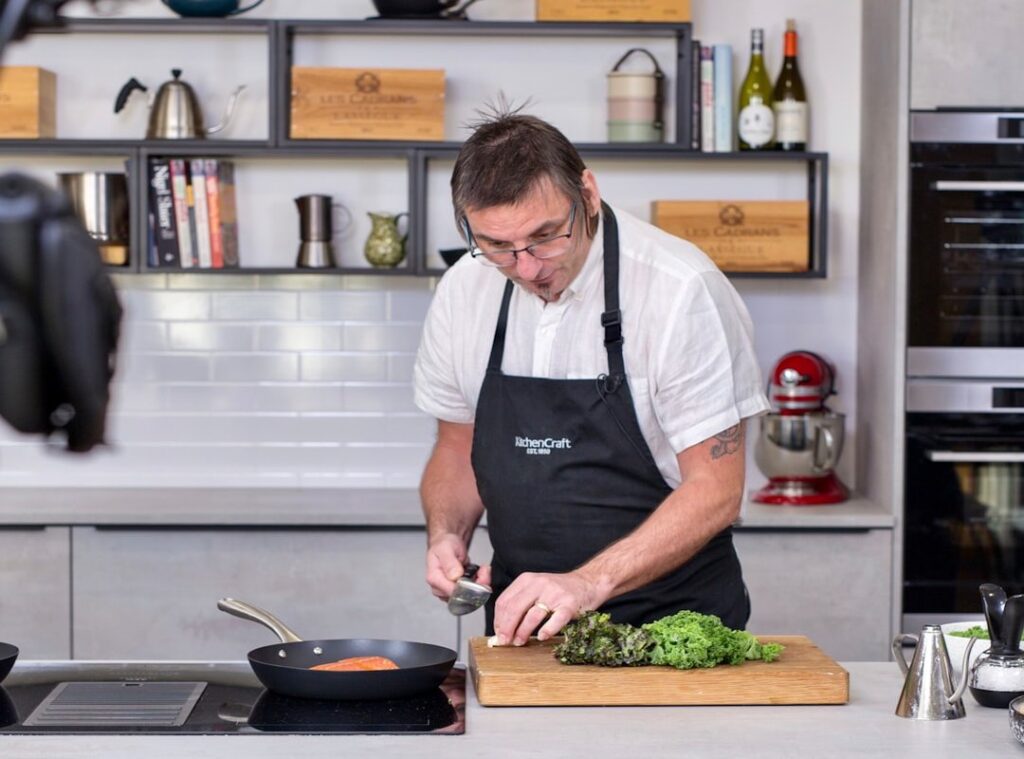

If you’re looking to elevate your cooking with global food essentials, smarter flavor pairings, and creative fusion ideas, you’re in the right place. This article is designed to help you understand how ingredients work together, how to adapt recipes with confidence, and how to bring efficiency into your kitchen without sacrificing taste. Whether you’re experimenting with bold combinations or refining everyday meals, you’ll find practical, easy-to-apply guidance here.
We’ve drawn from culinary research, professional chef techniques, and tested kitchen strategies to ensure the insights you’re about to read are reliable and results-driven. From understanding the impact of social media food influence on modern flavor trends to mastering balanced fusion dishes, this guide breaks down what truly works—and why.
By the end, you’ll have actionable tips to streamline your cooking process, enhance flavors with intention, and confidently adapt recipes to suit your preferences and pantry.
The digital dinner table has gone global. Viral food trends now dictate grocery lists and weeknight dinner plans. It’s exciting—and exhausting. We’ve all felt the pressure of scrolling past another ‘must-try’ recipe packed with specialty oils, rare spices, or techniques that require a culinary degree. That constant stream of social media food influence can leave you inspired but also inadequate. Here’s the reset.
We don’t need to cook everything we see.
Instead, try:
- Identify one flavor pairing you love and adapt it with pantry staples.
- Simplify techniques into weeknight-friendly steps.
Cook for joy, not for algorithm approval and expectations.
From Hidden Gems to Viral Sensations: The Positive Influence on Global Palates
Democratizing the Kitchen: Expert vs. Everyday Creator
Traditionally, culinary education meant formal training, pricey cookbooks, or years in a professional kitchen. Now, creators translate classic techniques into short, approachable tutorials. Instead of intimidating jargon, they define terms like mise en place (preparing and organizing ingredients before cooking) in plain language. In contrast to elite culinary schools, social platforms offer step‑by‑step visuals that feel more like cooking with a friend than sitting through a lecture. As a result, beginners attempt soufflés or handmade dumplings without fear (and yes, sometimes with a few burnt edges).
Spotlighting Global Flavors: Local Menu vs. Global Feed
A neighborhood restaurant might offer limited international dishes, but online creators introduce underrepresented cuisines side‑by‑side with familiar staples. Viewers can compare homemade pasta to Filipino pancit or Ghanaian jollof rice in a single scroll. This social media food influence broadens palates and normalizes ingredients like gochujang or sumac, once considered niche.
Economic Ripple Effects: Quiet Corner Shop vs. Viral Fame
Before a viral post, a bakery may rely solely on foot traffic. Afterward, lines wrap around the block. Critics argue virality is fleeting. However, repeated case studies show sustained revenue spikes when businesses pair exposure with quality and consistency.
Community Building: Solo Cooking vs. Shared Passion
Finally, food communities transform solitary hobbies into shared rituals—whether perfecting sourdough or debating spice blends—proving connection is the secret ingredient.
The Authenticity Filter: Navigating Sponsored Content and Unrealistic Standards
I’ll admit it: I once bought a pricey blender because a “must-try” recipe swore it was essential. The review felt genuine. It wasn’t. Sponsored content—paid promotions designed to look like unbiased opinions—often blurs the line between recommendation and advertisement. A quick lesson I learned: check for disclosure language, repetitive brand mentions, and vague praise. Genuine reviews usually include specific pros and cons (because nothing is perfect).
Then there’s the pressure of the flawless, “Instagrammable” plate. Aesthetic-driven cooking prioritizes visual appeal over taste or practicality. I’ve over-styled dishes that tasted fine but went cold during photo tweaks (lesson learned). Real kitchens are messy. Flavor still wins.
Viral recipes add another trap. They skip prep time, assume pro-level knives, or rely on equipment most home cooks don’t own. That gap between video and reality fuels frustration. Pro tip: read the full method twice and estimate double the visible prep time.
Health advice online can be shakier. Fad diets—trendy eating patterns lacking long-term scientific backing—spread fast under social media food influence. According to the CDC, sustainable nutrition depends on balanced, varied intake—not extremes.
For deeper context, explore from street food to fine dining understanding the culinary pulse shift.
Skeptics say it’s harmless inspiration. Maybe. But discernment saves money, time, and confidence.
Bringing Social Media Trends into Your Real-World Kitchen
Scrolling past a viral pasta bake or gravity-defying milk cake is fun. Recreating it successfully? That takes strategy. Instead of copying recipes move-for-move, start by breaking them down.
Deconstructing Viral Recipes
First, identify the core flavor profile—the dominant taste balance in a dish. Most trendy meals hinge on a simple combination: salty + creamy, sweet + spicy, or umami + acid. (Umami, if you’re new to the term, is that savory depth found in soy sauce, mushrooms, or aged cheese.)
For example, if a baked feta pasta explodes online, the real star isn’t the shape of the pasta—it’s the salty feta balanced with sweet roasted tomatoes and bright acidity. Once you see that structure, you can replicate the feeling of the dish even if you swap ingredients.
Mastering Recipe Adaptation
Next, adapt intelligently. If a recipe calls for burrata but you only have Greek yogurt, think in terms of texture and tang. Both are creamy with slight acidity, so the substitution works. Gluten-free? Use rice noodles in place of wheat pasta while maintaining the same sauce ratio.
Some argue that changing ingredients ruins authenticity. That’s fair—traditional recipes deserve respect. However, viral dishes aren’t sacred heirlooms; they’re often designed for speed and spectacle. Adapting them for your pantry or diet is practical, not rebellious. Pro tip: always preserve the salt–acid–fat balance when substituting.
Kitchen Efficiency for Trendy Meals
To avoid chaos, prep everything before turning on heat. Chop, measure, and organize. Influencer kitchens look effortless because editing hides the mess (real life does not). Streamline by using one pan when possible and plating simply—height and color contrast go a long way.
The Fusion Advantage
Finally, blend trends with your favorites. Add chili crisp to your usual mac and cheese or fold miso into mashed potatoes. This is where social media food influence becomes inspiration rather than instruction. The result? A dish that feels current—but unmistakably yours.
Cooking with Confidence in the Influencer Age
The modern kitchen can feel like a stage, and your phone is the spotlight. The social media food influence swirling around you is dazzling—slow-motion cheese pulls, immaculate grain bowls, sauces poured like silk. It inspires, yes. But it can also feel like trying to paint a masterpiece with someone else’s brushes.
Here’s the truth: recipes online are not commandments; they’re blueprints. And blueprints are meant to be adjusted for the land you’re building on. Your pantry, your schedule, your taste buds.
Think of adaptation as learning to drive stick. At first, every shift feels clunky. Then suddenly, you’re moving smoothly, confidently, instinctively.
Use this simple framework:
- Deconstruct the recipe into core flavors and techniques.
- Adapt ingredients based on what you have.
- Streamline steps that don’t serve your time or tools.
Some argue that altering a viral dish ruins its integrity. But cooking isn’t museum curation; it’s jazz. A riff, not a replica.
Your goal isn’t perfection—it’s ownership. So pick one recent trend, tweak the spices, swap an ingredient, simplify a step. Make it unmistakably yours. Confidence, like flavor, builds with every bold attempt. Start today and let curiosity be your compass in the kitchen each day bravely.
As chefs and food enthusiasts alike turn to platforms like Instagram to showcase their culinary creations, the vibrant community surrounding dishes like Falotani illustrates just how social media can shape our culinary preferences and trends.
Bring Global Flavor Into Your Kitchen Today
You came here looking for smarter ways to elevate everyday cooking with global flavors, better pairings, and more efficient kitchen habits. Now you have the tools to turn simple ingredients into bold, balanced dishes that actually excite your palate.
The real challenge isn’t finding recipes — it’s knowing how to adapt them, pair flavors confidently, and avoid wasting time or ingredients. With the right fusion techniques and a clear understanding of global food essentials, you’re no longer guessing. You’re cooking with purpose.
Here’s your next step: choose one new flavor pairing this week and apply it to a familiar dish. Experiment. Adjust. Make it yours. And if you want proven fusion ideas, efficiency tips, and techniques shaped by real-world social media food influence, explore more of our expert guides today.
Stop repeating the same meals. Start creating dishes that taste intentional, global, and unforgettable. Dive in now and transform the way you cook.
 Founder & Culinary Visionary
Zyvaris Dolthane has opinions about kitchen efficiency tips. Informed ones, backed by real experience — but opinions nonetheless, and they doesn't try to disguise them as neutral observation. They thinks a lot of what gets written about Kitchen Efficiency Tips, Flavor Pairing Techniques, Recipe Adaptation Ideas is either too cautious to be useful or too confident to be credible, and they's work tends to sit deliberately in the space between those two failure modes.
Reading Zyvaris's pieces, you get the sense of someone who has thought about this stuff seriously and arrived at actual conclusions — not just collected a range of perspectives and declined to pick one. That can be uncomfortable when they lands on something you disagree with. It's also why the writing is worth engaging with. Zyvaris isn't interested in telling people what they want to hear. They is interested in telling them what they actually thinks, with enough reasoning behind it that you can push back if you want to. That kind of intellectual honesty is rarer than it should be.
What Zyvaris is best at is the moment when a familiar topic reveals something unexpected — when the conventional wisdom turns out to be slightly off, or when a small shift in framing changes everything. They finds those moments consistently, which is why they's work tends to generate real discussion rather than just passive agreement.
Founder & Culinary Visionary
Zyvaris Dolthane has opinions about kitchen efficiency tips. Informed ones, backed by real experience — but opinions nonetheless, and they doesn't try to disguise them as neutral observation. They thinks a lot of what gets written about Kitchen Efficiency Tips, Flavor Pairing Techniques, Recipe Adaptation Ideas is either too cautious to be useful or too confident to be credible, and they's work tends to sit deliberately in the space between those two failure modes.
Reading Zyvaris's pieces, you get the sense of someone who has thought about this stuff seriously and arrived at actual conclusions — not just collected a range of perspectives and declined to pick one. That can be uncomfortable when they lands on something you disagree with. It's also why the writing is worth engaging with. Zyvaris isn't interested in telling people what they want to hear. They is interested in telling them what they actually thinks, with enough reasoning behind it that you can push back if you want to. That kind of intellectual honesty is rarer than it should be.
What Zyvaris is best at is the moment when a familiar topic reveals something unexpected — when the conventional wisdom turns out to be slightly off, or when a small shift in framing changes everything. They finds those moments consistently, which is why they's work tends to generate real discussion rather than just passive agreement.