
Great cooking starts with understanding the foundations—how flavors work together, how global food essentials shape dishes, and how small adjustments can transform an ordinary meal into something memorable. If you’re searching for practical ways to elevate your cooking, refine flavor pairings, or adapt recipes with confidence, this article delivers exactly that.
You’ll explore essential ingredients used across cultures, smart flavor pairing techniques that bring balance and depth, and creative Falotani fusion ideas that blend tradition with innovation. We also share kitchen efficiency strategies to help you save time without sacrificing quality, plus adaptable recipe frameworks you can customize to your taste or dietary needs.
Our guidance draws from extensive culinary research, hands-on testing, and local food scene insights to ensure every recommendation is practical, relevant, and rooted in real-world cooking experience. Whether you’re refining everyday meals or experimenting with bold new combinations, you’ll find clear, actionable insights to cook with greater skill and creativity.
Beyond the Menu: How to Truly Understand Your City’s Food Scene
As you dive into discovering the unique flavors and trends of your local food scene, it’s equally important to ensure your kitchen is ready for culinary experimentation, which you can master by following our tips on How to Organize Your Kitchen for Maximum Efficiency.
Feeling overwhelmed by endless restaurant options is common (decision fatigue is real). To decode a city’s culinary DNA—the shared flavors, techniques, and traditions that define it—you need a simple framework. Think in patterns, not places.
- Anchor dishes: meals locals defend passionately.
- Ingredient signatures: recurring herbs, spices, or sauces.
- Dining rituals: when and how people gather.
Some argue reviews are enough, but stars miss context. Use local food scene insights to connect stories to plates and cook more creatively at home.
Curiosity turns meals into maps.
Decoding Your City’s Core Flavor Profile
Identifying Foundational Ingredients
I once assumed my city’s cuisine was “diverse” because restaurant menus looked different. Big mistake. After a week of actually visiting farmers’ markets and scanning ingredient lists, I realized the same produce—heirloom tomatoes, bitter greens, river fish, and smoked peppers—kept reappearing. Foundational ingredients (the core items used repeatedly across dishes) quietly define a region’s palate.
Check market stalls. Notice what sells out first. Scan menus for repeating herbs or spice blends. If three different spots feature preserved lemon or chili oil, that’s not random—it’s identity. I learned the hard way that trends fade, but staples stick.
Mapping Historical Influences
Another error? Ignoring history. Trade routes, immigration waves, and farming conditions shape flavor more than hype ever will. New Orleans’ French, Spanish, and West African roots explain its layered spice (Smithsonian Magazine). California’s citrus dominance traces back to 19th-century agricultural expansion (California Citrus State Historic Park).
When I overlooked these patterns, I misread the food entirely. Once I mapped migration and crop history, the puzzle clicked. Culinary inheritance (recipes passed and adapted across generations) leaves fingerprints everywhere.
The “Taste of the Town” Technique
Here’s the fix: sample widely and assess the balance of sweet, sour, salty, and savory (umami, the rich depth found in mushrooms or aged cheese). Are sauces bright with acid? Is smoke dominant? I track this using simple notes—my version of local food scene insights.
Actionable Insight
Start a Flavor Diary. For seven days, log ingredients, cooking methods, and dominant tastes. I once discovered nearly every meal leaned smoky and acidic. That realization reshaped how I cook—and how I understand my city’s core flavor profile.
The Fusion Frontier: Where Global Meets Local
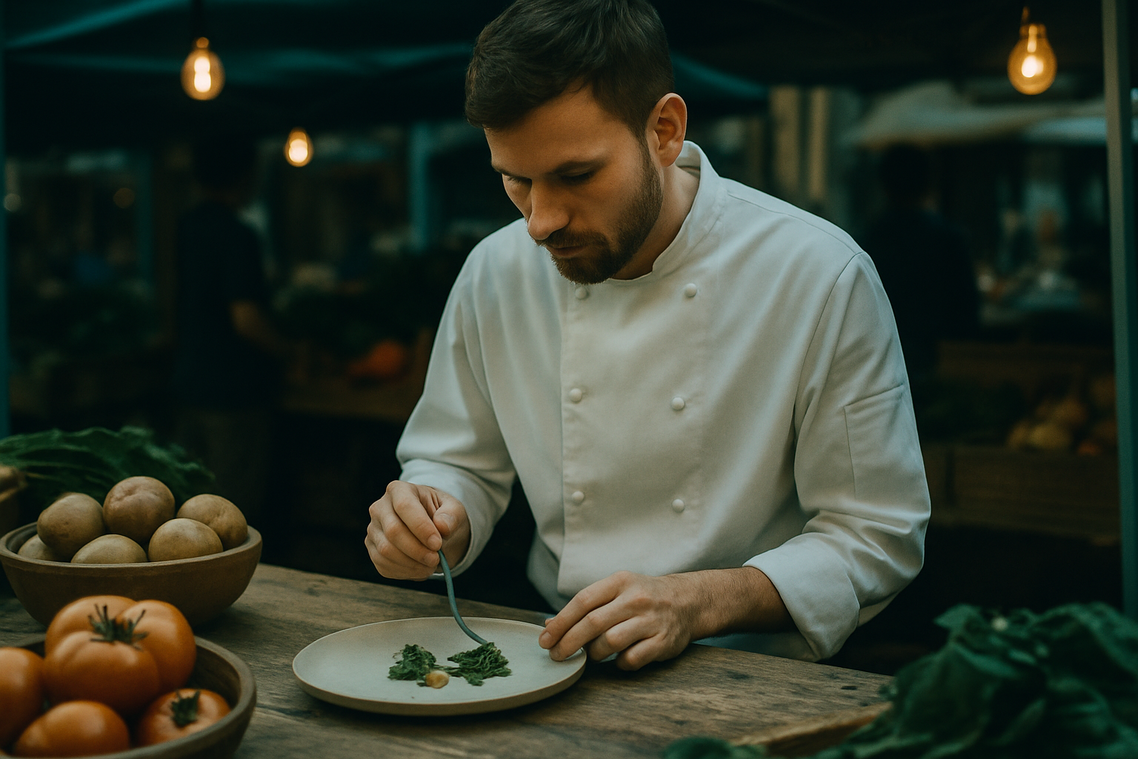
Modern dining is defined by bold crossovers. Walk through any city and you’ll spot Asian-Latin tacos, Nordic-Japanese small plates, or Middle Eastern-Mexican mashups. These pairings work because they share complementary techniques—like fermentation, open-fire cooking, or bright acid-driven sauces. Fusion thrives when there’s overlap in flavor logic, not just novelty (because novelty alone fades fast).
Some critics argue fusion dilutes culinary heritage. They prefer strict authenticity—and that’s fair. Tradition anchors identity. But thoughtful fusion doesn’t erase roots; it spotlights them. The key is what chefs call the “Third Flavor” Principle—when two cuisines combine to create something distinct, not just split down the middle. It’s not soy sauce on pasta. It’s miso folded into brown butter so seamlessly you can’t imagine it any other way.
You’ll see this evolution everywhere:
- Street carts layering gochujang onto hot dogs
- Fast-casual spots blending shawarma spices into burritos
- Fine dining tasting menus pairing dashi with truffle
For deeper context on how trends spread so quickly, explore the role of social media in driving the culinary pulse.
Consider a Kimchi-Spiced Pulled Pork Sandwich. Southern U.S. barbecue technique meets Korean fermentation. The pork brings smoke and fat; kimchi adds acid, heat, and crunch; a sesame slaw bridges both worlds. The result? A balanced third flavor—savory, tangy, slightly sweet.
Recommendation: When exploring fusion, look for:
- Shared cooking methods
- Balanced acidity and richness
- Respect for origin ingredients
Use local food scene insights to spot emerging pairings early (pro tip: follow pop-ups before they go mainstream).
Bringing the Scene to Your Kitchen: Recipe Adaptation and Efficiency
Great cooks don’t copy dishes. They RECONSTRUCT them.
1. The Deconstruction Method
Next time you try a restaurant favorite, break it into four core parts:
- The Base – rice, pasta, flatbread, greens (the foundation).
- The Texture – crispy shallots, toasted nuts, creamy purée.
- The Sauce – broth, glaze, dressing (often where the magic hides).
- The Garnish – herbs, citrus zest, infused oil.
This method mirrors how professional kitchens build plates (CIA training manuals emphasize component thinking in flavor construction). Instead of asking, “How do I copy this?” ask, “What makes this work?” That shift changes everything.
2. Smart Swaps and Substitutions
You’re not chasing perfection. You’re capturing the ESSENCE.
Loved that miso-glazed salmon downtown? No miso? Swap in soy sauce plus a touch of honey and vinegar for balance. Missing pine nuts for pesto? Toasted sunflower seeds work beautifully (and cost less).
Some argue substitutions dilute authenticity. Fair. But home cooking isn’t a Michelin audit. It’s improvisation—more jazz than sheet music (think Ratatouille’s Remy, but with your pantry).
Pro tip: When swapping, preserve function. Creamy for creamy. Crunchy for crunchy. Acid for acid.
3. Kitchen Efficiency for Creative Cooking
Creativity thrives in organized spaces. Keep spices visible, group oils together, and pre-chop sturdy vegetables weekly. Studies in behavioral science show visual accessibility increases usage frequency (Princeton Neuroscience Institute).
4. Practical Exercise
Take one popular local dish and create three versions:
- Swap the protein.
- Change the primary spice.
- Alter the cooking method (roast instead of fry).
One dish. Three outcomes. Endless confidence.
Your culinary adventure truly begins now. You have a framework for spotting patterns in spices, textures, and techniques, which means every menu becomes a map instead of a mystery. No more default orders or endless scrolling through reviews (we have all been there). Instead, you walk in confident, curious, and hungry for discovery.
By decoding flavors, exploring fusion, and adapting ideas at home, you gain variety, save money, and impress friends with surprisingly bold pairings. That is the real win: meals that feel personal and memorable. Even local food scene insights start to click, revealing why certain dishes thrive in your neighborhood.
Start your flavor diary today and track what delights you, what surprises you, and what you would tweak next time. The benefit compounds with every bite. Use this lens when dining out or planning dinner, and watch your city unfold one plate at a time. Savor the journey.
Bringing Bold Flavor Into Your Kitchen Starts Now
You came here looking for smarter ways to elevate your cooking, experiment with flavor pairings, and make global food essentials work in your everyday kitchen. Now you have the tools to do exactly that.
Great meals don’t happen by accident. They come from understanding balance, using efficient techniques, and drawing inspiration from local food scene insights to keep your dishes fresh and relevant. When your meals feel repetitive or uninspired, it’s usually not a lack of effort—it’s a lack of strategy.
The good news? You now have practical ways to adapt recipes, build fusion flavors with confidence, and streamline your kitchen workflow without sacrificing creativity.
Here’s your next move: choose one new flavor pairing this week and build a dish around it. Test it. Adjust it. Make it yours. If you’re ready for more chef-level techniques, innovative fusion ideas, and practical kitchen upgrades, explore our latest guides and start transforming everyday meals into unforgettable experiences today.
 Kitchen Efficiency & Innovation Specialist
Graham Royalimores is the kind of writer who genuinely cannot publish something without checking it twice. Maybe three times. They came to culinary pulse through years of hands-on work rather than theory, which means the things they writes about — Culinary Pulse, Falotani Fusion Dishes, Flavor Pairing Techniques, among other areas — are things they has actually tested, questioned, and revised opinions on more than once.
That shows in the work. Graham's pieces tend to go a level deeper than most. Not in a way that becomes unreadable, but in a way that makes you realize you'd been missing something important. They has a habit of finding the detail that everybody else glosses over and making it the center of the story — which sounds simple, but takes a rare combination of curiosity and patience to pull off consistently. The writing never feels rushed. It feels like someone who sat with the subject long enough to actually understand it.
Outside of specific topics, what Graham cares about most is whether the reader walks away with something useful. Not impressed. Not entertained. Useful. That's a harder bar to clear than it sounds, and they clears it more often than not — which is why readers tend to remember Graham's articles long after they've forgotten the headline.
Kitchen Efficiency & Innovation Specialist
Graham Royalimores is the kind of writer who genuinely cannot publish something without checking it twice. Maybe three times. They came to culinary pulse through years of hands-on work rather than theory, which means the things they writes about — Culinary Pulse, Falotani Fusion Dishes, Flavor Pairing Techniques, among other areas — are things they has actually tested, questioned, and revised opinions on more than once.
That shows in the work. Graham's pieces tend to go a level deeper than most. Not in a way that becomes unreadable, but in a way that makes you realize you'd been missing something important. They has a habit of finding the detail that everybody else glosses over and making it the center of the story — which sounds simple, but takes a rare combination of curiosity and patience to pull off consistently. The writing never feels rushed. It feels like someone who sat with the subject long enough to actually understand it.
Outside of specific topics, what Graham cares about most is whether the reader walks away with something useful. Not impressed. Not entertained. Useful. That's a harder bar to clear than it sounds, and they clears it more often than not — which is why readers tend to remember Graham's articles long after they've forgotten the headline.