Seafood rewards cooks who respect simplicity. Fresh ingredients and balanced seasoning can turn fish or shellfish into a memorable meal. Modern cooking also encourages experimentation with sauces, textures, spices, and presentation. The most successful dishes combine both approaches: they preserve the logic of a traditional preparation while introducing enough creativity to make the final plate feel fresh and personal.
That balance is especially useful when cooking for guests. Familiar techniques create confidence, while modern accents add distinction. Grilled fish can gain depth from citrus-herb glaze, while shellfish can pair with grains, vegetables, or flavored butters. Understand what each ingredient needs first, then build around it rather than disguising its character.
Planning becomes especially important when shellfish can vary widely in size. Using a lobster guide can help home cooks choose portions that fit the cooking method, serving style, and number of guests. Larger lobsters can make an impressive centerpiece for a main course, while smaller portions are often better suited to pasta, mixed seafood dishes, or shared plates. Choosing the right size for the recipe also makes cooking times easier to manage and helps ensure the seafood remains tender and well balanced with the rest of the meal.
1. Charred Citrus Fish With Herb Butter
Grilled fish is one of the most dependable seafood preparations because direct heat develops flavor quickly while leaving the interior tender. The modern twist comes from building flavor around that method. Instead of serving grilled fish with only lemon, brush the surface with citrus zest, olive oil, garlic, and a little honey before cooking.
Choose a firm fish such as snapper, sea bass, or grouper. Pat it dry, season lightly, and place it over medium-high heat. Create grill marks and a lightly charred exterior without drying the flesh. Once cooked, finish it with herb butter made from parsley, chives, softened butter, and fresh lemon juice.
The contrast between smoky edges, bright citrus, and rich butter keeps the dish familiar while giving it more personality. Serve it with roasted vegetables, couscous, or a crisp salad. The technique remains classic, but the flavor feels contemporary.
2. Butter-Poached Shellfish With Chili and Garlic
Poaching shellfish gently in butter is a traditional technique designed to protect delicate texture. High heat can toughen shellfish, so slow cooking offers greater control. A modern version can incorporate garlic, fresh chili, lime zest, and smoked paprika.
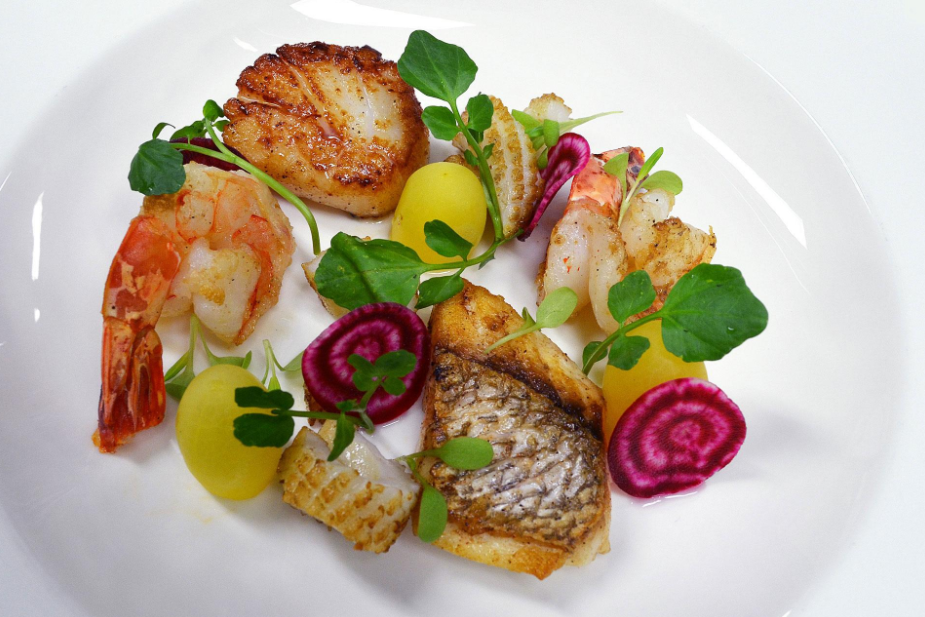
Melt butter over low heat, then add aromatics and allow them to infuse without browning. Add the shellfish and cook just until the meat becomes opaque and tender. The butter should remain warm rather than aggressively bubbling. This method works with lobster, prawns, and large scallops.
For lobster-based versions, a lobster size guide can help determine whether a whole lobster, tail, or smaller portion is most practical. The choice affects cooking time, presentation, and portioning. Serve the shellfish over rice, creamy polenta, or toasted sourdough so the flavored butter becomes part of the meal.
3. Crispy-Skinned Salmon With Miso Glaze
Crispy-skinned salmon combines classic pan-searing with a glaze inspired by Japanese flavors. The dish depends on contrast: the skin should be crisp enough to crack under a fork, while the center remains moist and soft.
Dry the salmon thoroughly before cooking and season the flesh side lightly. Place the fillet skin-side down in a hot pan with a little oil. Press it gently for the first minute to prevent curling, then reduce the heat and allow most of the cooking to happen through the skin.
For the glaze, mix white miso with soy sauce, rice vinegar, honey, and grated ginger. Brush it over the salmon near the end of cooking so the sugars caramelize without burning. The result is savory, sweet, and aromatic. Pair the salmon with steamed greens, sesame rice, or cucumber salad for a modern plate built on dependable technique.
4. Garlic Shrimp Pasta With Roasted Tomato Sauce
Shrimp pasta is familiar comfort food, but roasting the tomatoes before turning them into sauce adds complexity without making the recipe difficult. The tomatoes become sweeter and concentrated, creating a base for garlic, olive oil, chili flakes, and herbs.
Roast cherry or plum tomatoes until their edges begin to caramelize. Blend or crush them roughly, then simmer with garlic and olive oil. Cook the shrimp separately over high heat so they develop color without spending too long in the sauce.
Add the shrimp only during the final stage, along with cooked pasta and a splash of pasta water. This keeps the shellfish tender while allowing the sauce to coat every strand. Finish with parsley, basil, lemon zest, and olive oil. The dish feels rooted in Mediterranean cooking but gains brighter, concentrated flavor from the roasted tomato base.
5. Seared Scallops With Corn Purée and Herb Oil
Scallops need little intervention. Their natural sweetness works best when the cooking method is precise. A hard sear creates a caramelized crust, while the inside should remain tender and translucent.
Dry the scallops thoroughly and season them before cooking. Heat a heavy pan until very hot, add a little oil, and place the scallops in without crowding. Leave them untouched until a golden crust forms, then turn them briefly to finish the second side.
Serve them over a smooth corn purée made from sweet corn, butter, stock, and cream. Add an herb oil made with parsley or basil for freshness. The combination feels refined, but each component remains simple. Sweet scallops, creamy corn, and fresh herbs create a balanced plate built on familiar flavors presented in a modern way.
Classic seafood cooking does not need to remain frozen in the past. The strongest modern dishes preserve proven techniques while adding thoughtful new flavors, textures, and presentation. By starting with the needs of the seafood itself, home cooks can experiment confidently without overwhelming the ingredient.
Whether grilling fish, poaching shellfish, searing salmon, tossing shrimp through pasta, or caramelizing scallops, the same principle applies: technique provides structure, while flavor brings individuality. That balance allows traditional seafood dishes to evolve while still tasting satisfying, recognizable, and worth returning to.
 Culinary Content Strategist
Heather Woodstingser is the kind of writer who genuinely cannot publish something without checking it twice. Maybe three times. They came to culinary pulse through years of hands-on work rather than theory, which means the things they writes about — Culinary Pulse, Falotani Fusion Dishes, Flavor Pairing Techniques, among other areas — are things they has actually tested, questioned, and revised opinions on more than once.
That shows in the work. Heather's pieces tend to go a level deeper than most. Not in a way that becomes unreadable, but in a way that makes you realize you'd been missing something important. They has a habit of finding the detail that everybody else glosses over and making it the center of the story — which sounds simple, but takes a rare combination of curiosity and patience to pull off consistently. The writing never feels rushed. It feels like someone who sat with the subject long enough to actually understand it.
Outside of specific topics, what Heather cares about most is whether the reader walks away with something useful. Not impressed. Not entertained. Useful. That's a harder bar to clear than it sounds, and they clears it more often than not — which is why readers tend to remember Heather's articles long after they've forgotten the headline.
Culinary Content Strategist
Heather Woodstingser is the kind of writer who genuinely cannot publish something without checking it twice. Maybe three times. They came to culinary pulse through years of hands-on work rather than theory, which means the things they writes about — Culinary Pulse, Falotani Fusion Dishes, Flavor Pairing Techniques, among other areas — are things they has actually tested, questioned, and revised opinions on more than once.
That shows in the work. Heather's pieces tend to go a level deeper than most. Not in a way that becomes unreadable, but in a way that makes you realize you'd been missing something important. They has a habit of finding the detail that everybody else glosses over and making it the center of the story — which sounds simple, but takes a rare combination of curiosity and patience to pull off consistently. The writing never feels rushed. It feels like someone who sat with the subject long enough to actually understand it.
Outside of specific topics, what Heather cares about most is whether the reader walks away with something useful. Not impressed. Not entertained. Useful. That's a harder bar to clear than it sounds, and they clears it more often than not — which is why readers tend to remember Heather's articles long after they've forgotten the headline.