Stuck in a recipe rut? I’ve been there. Home cooks often crave something new but don’t know where to start.
Enter the surprising marriage of comforting Italian pasta and bold Korean flavors. Sounds wild, right? It’s not just about tossing some kimchi into spaghetti.
There’s a culinary science behind these flavor fusions that makes them work beautifully together. Trust me, I’ve dug deep into global flavor pairings. This article promises three big Italian-Korean pasta recipes.
They’re detailed, accessible, and guaranteed to shake up your weeknight meals. You’ll leave with easy-to-follow, unique noodle dishes. Ready to cook something exciting?
The Flavor Bridge: Why Italian & Korean Cuisines Are a Perfect
Ever wondered why Italian and Korean cuisines create such magic together? It’s all about the flavor bridge. A concept that ties these seemingly different worlds with shared culinary principles.
You know that deep, savory umami? Think Italian Parmesan and Pecorino. Now, pair that with the rich, fermented notes of Korean gochujang and doenjang.
They dance together like old friends at a party.
Fermentation is another powerhouse here. Italians love their cured meats and cheeses, while Koreans swear by the funky, acidic punch of kimchi. Both cultures embrace fermentation, creating flavors that linger and demand attention.
It’s not just about taste; it’s about tradition and technique.
Then, there’s texture. Italians have al dente pasta (a) satisfying chew that holds its own. Koreans bring tteok (rice cakes) to the table with a similar bite.
These textures are like a handshake across a culinary bridge. They just work, don’t they?
In Korea, spicy, tangy notes do the same job. This shared philosophy makes these cuisines a perfect match.
And let’s not forget balance. Richness finds its foil in sharp, contrasting elements. In Italy, acidic tomatoes cut through fat.
If you’re into culinary fusions, you might also enjoy exploring French Indian Fusion Desserts. They offer a delightful twist, much like the promising world of Italian-Korean pasta recipes.
Gochujang & Guanciale Carbonara: A Flavorful Fusion
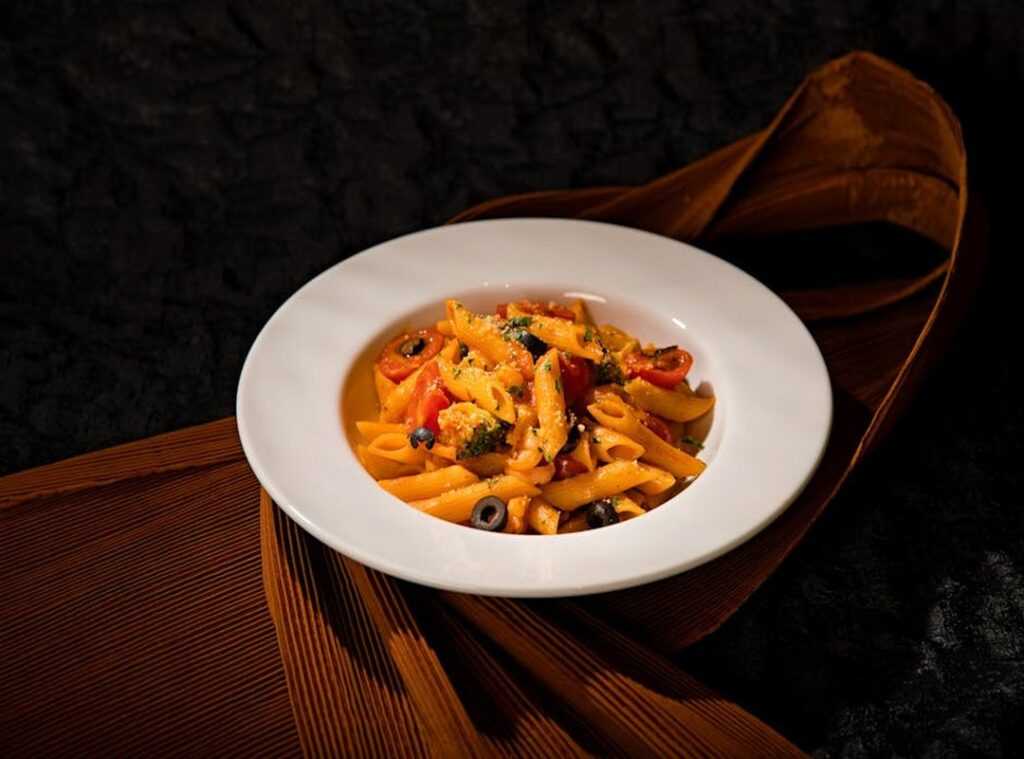
Imagine this: Carbonara’s classic creamy richness, but with a twist. You know what I’m talking about. That sweet, smoky kick from gochujang that lingers just long enough.
It’s Italian-Korean pasta recipes like this that redefine fusion cuisine.
You’ll need a few essentials. Guanciale (pancetta if you’re in a pinch), Pecorino Romano, fresh egg yolks, coarse black pepper, a quality spaghetti or rigatoni, and of course, authentic gochujang. Let’s get cooking.
Start with the guanciale. Render it in a pan until crispy. The smell alone is intoxicating.
While that’s happening, mix your egg yolks and Pecorino in a bowl. Here’s the trick: add gochujang to this mixture. It needs to be smooth, lively, and emulsified.
Don’t skimp on the stirring.
Now, cook your pasta. Get it just shy of al dente. Reserve some pasta water.
It’s liquid gold for your sauce. Once the pasta’s done, drain it and let it sit for a moment. You don’t want it piping hot.
Here’s where it gets key. Off the heat, add the pasta to the guanciale. Slowly incorporate the egg and cheese mixture.
The key? Stir continually. You don’t want scrambled eggs.
Instead, you want a silky sauce that clings to the pasta.
Pro tip: Finish with toasted sesame seeds and thinly sliced scallions. They add a Korean flair. Trust me, it’s worth it.
If you’re into fusion dishes, you might also enjoy a creamy dwenjang pasta. It’s another example of blending flavors to create something extraordinary.
So there you have it. A dish that’s as much about technique as it is about flavor. It’s not just a meal; it’s an experience.
Fiery & Funky Kimchi Cacio e Pepe: A Bold Fusion
We’re taking the minimalist magic of Cacio e Pepe and giving it a jolt. Think spicy funk meets Italian simplicity. That’s right: kimchi is crashing this pasta party.
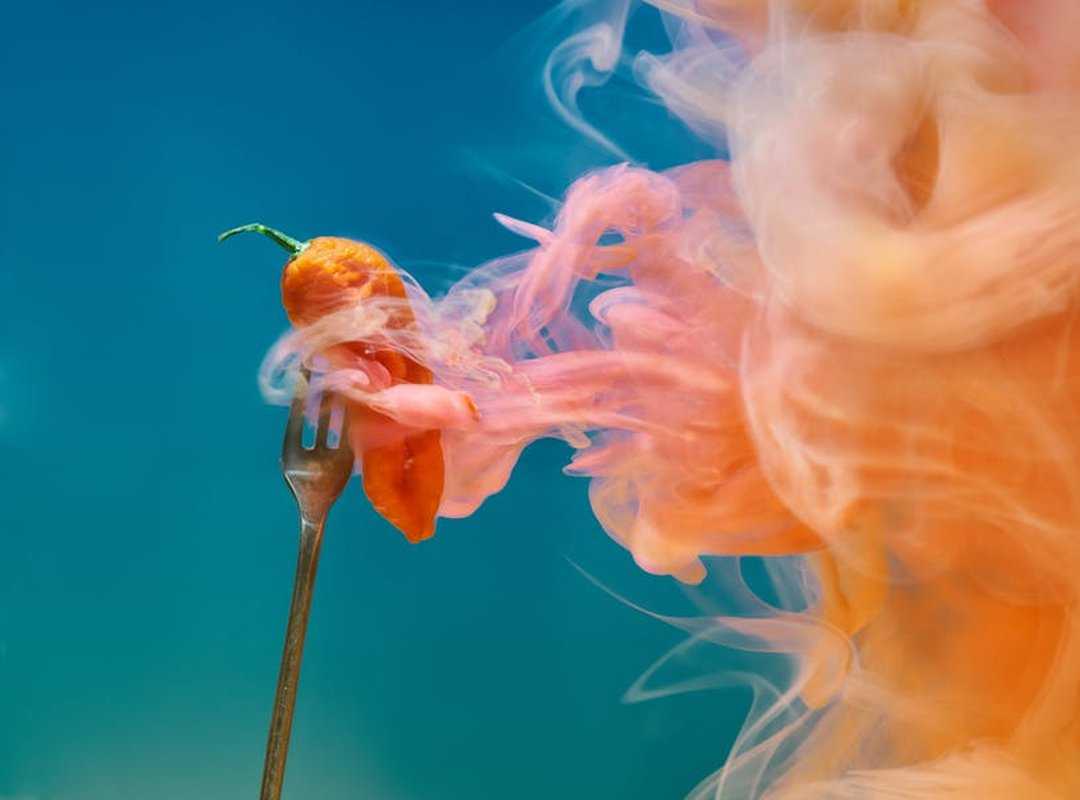
Let’s talk ingredients. Quality is king here. You’ll need bronze-die cut pasta (Tonnarelli, anyone?), finely grated Pecorino Romano, and freshly cracked black pepper.
Oh, and not just any kimchi. Go for a well-fermented napa cabbage kimchi to add that depth we’re after.
Creating the perfect emulsion is key. Fancy word, simple concept. Start by boiling your pasta, saving some of that starchy water.
It’s the glue in this operation. Toss your cooked pasta into a pan, add cheese, pepper, and the starchy liquid. Stir until you get that silky sauce.
Easy, right?
Now the fun part. Chop that kimchi finely. At the very end (I’m serious about this timing), stir in your kimchi and a splash of its brine.
Why? Preserving that crunch and lively flavor is what makes this fusion work. Too soon, and the kimchi takes over (nobody) wants that.
Here’s a Flavor Note: aged, sour kimchi is superior here. Fresh kimchi? Not so much.
The aged stuff has a complex funkiness that slices through the richness of cheese and pasta. It’s like a well-rehearsed duet.
Pro tip: don’t skimp on the Pecorino. Its sharp saltiness balances the kimchi’s bite perfectly. You could try fresh kimchi, but trust me, it won’t sing the same song.
Curious about more mash-ups? You might like creating new fusion sushi. It’s another wild ride in the world of Italian-Korean pasta recipes and beyond.
Who knew fusion could taste this good?
Savor the Fusion: Bulgogi Ragu Pappardelle
Ever thought of combining Italian and Korean flavors? I have, and this dish nails it. Imagine a hearty, slow-simmered Bulgogi Ragu.
The sweet, garlicky, and tender character of Korean bulgogi melds seamlessly with a classic Italian tomato base.
Thinly sliced ribeye (marinated) in soy, pear, garlic, and sesame oil. Starts the magic. The San Marzano tomatoes, renowned for their tang and sweetness, are key players too.
You can’t skip onions; they add depth. Wide, inviting pappardelle completes the experience, catching every shred of beef and every drop of rich sauce.
The cooking kicks off with a sear. Ever heard of the Maillard reaction? It’s that science magic turning meat a delicious brown (think of those grill marks you drool over).
Here, it develops deep caramelization. Then comes the simmer. It’s gentle, letting the beef turn into tender bites that practically melt.
But why pappardelle? Its broad surface is perfect for this kind of savory work. It acts like a sponge, soaking up all the flavors.
Pairing Italian-Korean pasta recipes like this with a finishing touch? Easy! Brighten it up with fresh Italian parsley and a drizzle of toasted sesame oil.
Spaghetti and penne could never deliver this satisfaction.
It amplifies the Korean aroma and marries the two cuisines in flavor harmony.
Trust me, this fusion dish is worth every bite.
Ignite Your Culinary Curiosity
Your quest for Italian-Korean pasta recipes ends here. Tired of the same old pasta night? Fusion is your secret weapon against kitchen boredom.
The dishes you’ve found aren’t just delicious; they’re rooted in flavor bridging principles like umami and fermentation. Why does this matter? It makes every bite unforgettable.
But don’t just sit there imagining it. Get cooking! Pick your favorite recipe, gather those ingredients, and dive into the bold world of flavor fusion tonight.
Your dinner table deserves this excitement. Trust me, your taste buds will thank you. Ready to ignite that culinary spark?
Let’s go!