Feel the crisp crack of a crème brûlée crust, unveiling a hint of cardamom. Tempting, right? But let’s be honest, fusion cuisine can be terrifying.
It’s not just about mixing ingredients; it’s about harmony. Many love the idea of French-Indian fusion desserts, but where do you start? I get it.
It feels like uncharted territory. With years of diving into flavor pairings, I promise this guide isn’t just theory. It’s the real deal.
We’ll explore iconic combinations and reimagined classics, all made simple. Think gulab jamun with a whisper of French vanilla. It’s indulgent, yet straightforward.
Curious yet? Trust this isn’t just fluff. It’s practical, tested knowledge.
Ready to transform your dessert game? Let’s dive into this sweet symphony of spice and pastry.
A Tale of Two Kitchens: The Roots of French-Indian Fusion
Ever wondered how French patisserie and Indian mithai could possibly mix? It all starts in places like Pondicherry, where French and Indian cultures have danced together for centuries. Pondicherry is a culinary melting pot.
Here, the precise techniques of French pastry making meet the rich, aromatic world of Indian sweets. It’s a clash and blend of styles that somehow just works.
French desserts are all about precision. Think of the architectural precision of a macaron. It’s about butter, cream, and technique.
Indian sweets, on the other hand, focus on milk solids, sugar syrups, and spices like cardamom. There’s an art to both, but they’re different arts.
When you bring these two together, you get this perfect yin and yang. The cool elegance of French desserts meets the warm, fragrant soul of Indian flavors. It’s not unlike how thai mediterranean fusion salad creations blend different culinary traditions.
The result? French-Indian fusion desserts that surprise and delight. It’s where the worlds of butter and spice collide, creating something new.
You taste it and think, why didn’t someone do this sooner? The magic is in the unexpected.
French Classics Reimagined: Patisserie with an Indian Soul
Ever had a crème brûlée that made you sit up? Imagine the classic vanilla custard, smooth and creamy, now infused with cardamom and saffron. The rich aroma of cardamom hits first, mingling with the earthiness of saffron.
The flavors aren’t just added for flair; they transform the custard into something lush and exotic. It’s a journey for the taste buds (yes, I went there). This twist on the French classic offers a sensory experience that combines the elegance of French dessert with the warmth of Indian spices.
Next, let’s talk about mousse. French mousse is the epitome of light texture and fruity flavor. But what if we reimagine it with mango pulp and yogurt?
Enter the Mango Lassi Mousse. It’s like biting into a cloud of lassi. That sweet, tangy delight.
The yogurt adds a creamy tang, while the mango brings in a burst of tropical sweetness. Not to mention, a hint of rosewater at the end. It’s subtle yet deep.
This is how we marry two worlds, capturing the essence of a lassi in an elegant French form.
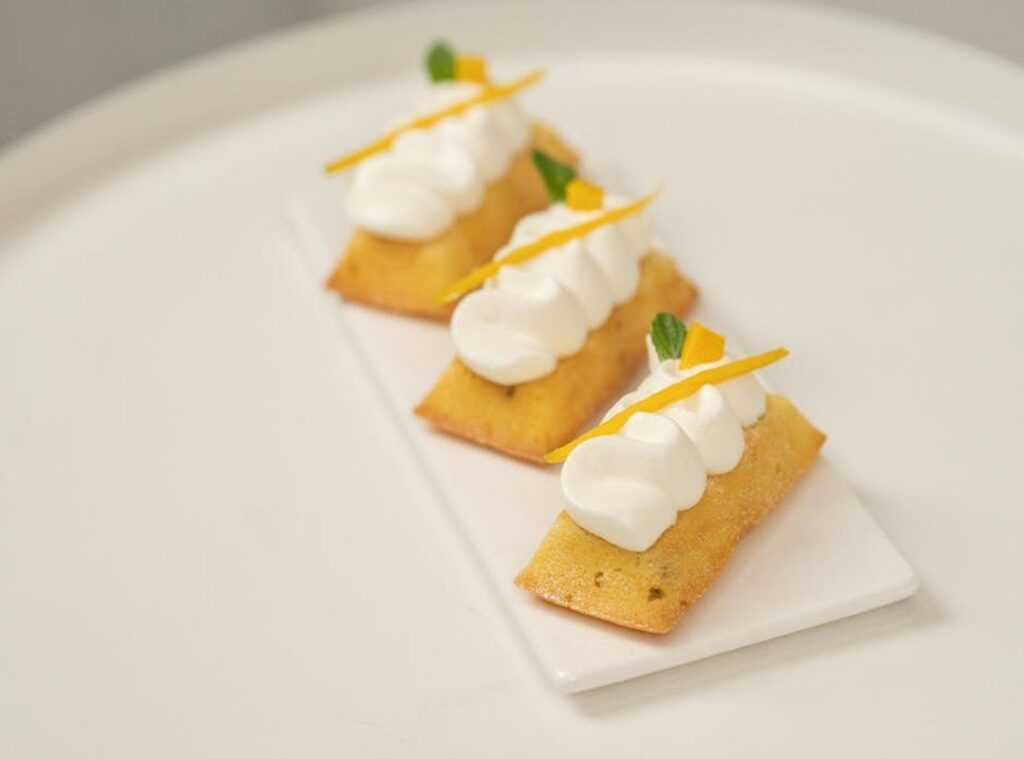
And then there are madeleines. Those small, buttery cakes that are just as delightful as they sound. Now, picture them spiced with chai.
Cinnamon, ginger, clove, and black pepper. The warmth of these spices turns a simple madeleine into a little piece of heaven. Each bite is comforting, rich, and complex.
Perfect with a cup of tea. The spices don’t overpower the butteriness; they complement it.
Why does this fusion work so well? French desserts are often rich and creamy, which can be heavy. Indian spices, however, add depth and contrast.
They cut through the richness, enhancing flavors rather than masking them. This is what makes french-indian fusion desserts so compelling. It’s about balance.
The spices raise the French base to something both familiar and unexpected. It’s a celebration of flavors that makes you appreciate the artistry in reimagining classics.
In essence, these fusions aren’t just desserts. They’re experiences. They invite you to explore, to taste, and to savor the unexpected.
And isn’t that what great food should do?
Indian Mithai Elevated: French Flair Meets Tradition
Let’s talk about Gulab Jamun. Sticky, syrupy, and oh-so-sweet. It’s a staple at any Indian celebration.
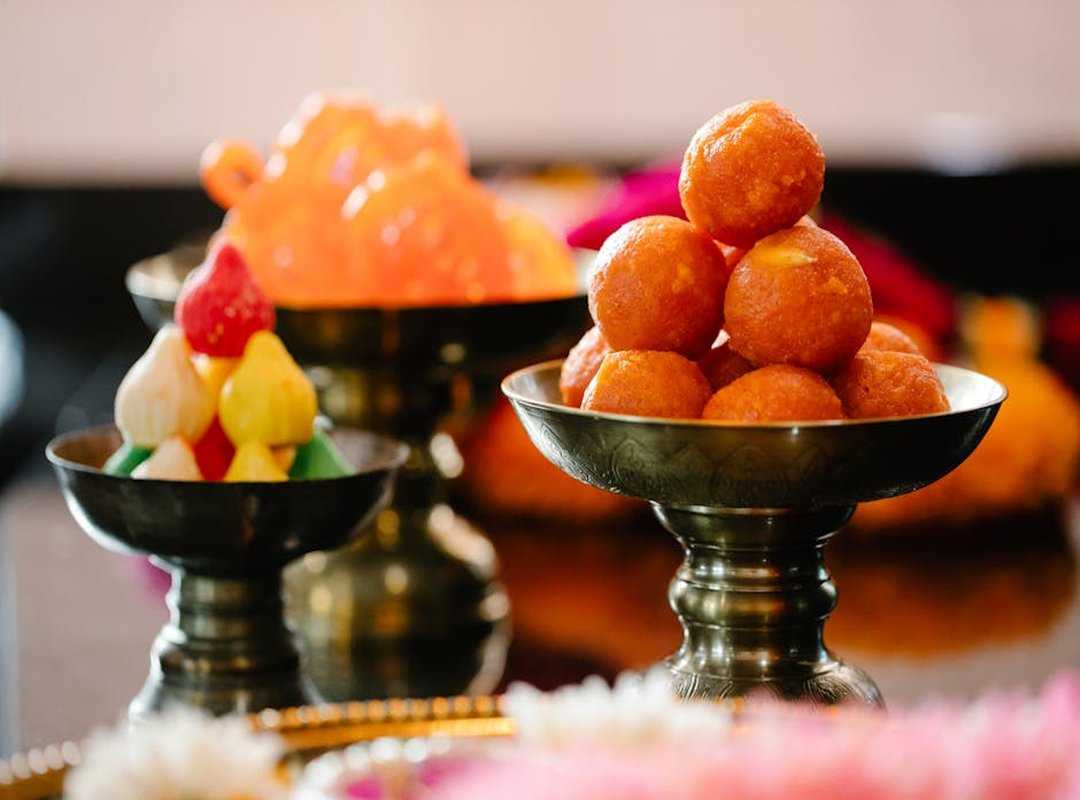
But here’s the twist. Layer it within a creamy, tangy French-style baked cheesecake. You get this stunning textural contrast.
The dense sweetness of the gulab jamun meets the smooth, slightly tart cheesecake base. It’s a bold fusion that’s both surprising and delightful.
Now, let’s move on to Gajar Halwa. This carrot-based delight is warm and rich, often served straight from a pot. But imagine it nestled inside a crisp, buttery tart shell, like a French pâte sablée.
The tart shell adds structure and elegance. Suddenly, your comforting bowl of halwa becomes a sophisticated dessert. The crunch from the shell balances the softness and richness of the halwa.
It’s like taking something humble and dressing it up for a night out.
Then there’s jalebi. Those crispy, syrup-soaked spirals. Delicious, but sometimes overwhelmingly sweet.
Enter saffron Chantilly cream. This lightly sweetened, saffron-infused cream adds a luxurious French touch. It tempers the jalebi’s sweetness and introduces an airy richness.
A simple pairing, but it transforms the dish into something more subtle.
French techniques aren’t just about adding flair. They change the way we experience these familiar flavors. They bring new textures and presentations to the table, enhancing the depth of traditional Indian sweets.
It’s an exciting way to reimagine what we’ve always loved.
You might be wondering, why mix these at all? Well, it’s about innovation. Much like creating new fusion sushi, combining distinct culinary traditions can lead to unexpected and delightful results.
It’s about pushing boundaries and seeing what happens.
French-Indian fusion desserts aren’t just desserts. They’re conversations between cultures. They show how different influences can come together to create something extraordinary.
Isn’t that what great food is all about? Mixing, matching, and making something new. So, next time you crave a classic mithai, consider this: how can a French twist raise it?
You might just find your new favorite dessert.
Flavors That Make Fusion Pop: Key Pairings & Techniques
When it comes to French-Indian fusion desserts, you need to master the art of flavor pairings. Cardamom and vanilla are your best friends. The warm spice of cardamom perfectly complements the creamy sweetness of vanilla. Imagine a custard with just the right hint of floral warmth.
Then there’s saffron and cream. This duo is all about luxury. The earthy notes of saffron pull richness from the cream, creating a taste you can’t forget.
And don’t sleep on rose and pistachio. You’ll find this pairing in both French and Indian classics. Whether it’s in a macaron or kulfi, this combo is a crowd-pleaser.
Pro tip: Infuse your spices into warm milk or cream. That’s how you get bold flavors without messing with texture. You’ll thank me later.
Ever tried ginger and chocolate? The sharp heat of ginger cuts through dark chocolate’s richness.
These pairings are your ticket to unforgettable desserts.
Dive Into Flavor Fusion
Worried about clashing tastes? You shouldn’t be. By understanding the basics of French and Indian desserts, you can enjoy the best of both worlds.
It’s all about balancing technique with spice, and richness with aroma. Why not start small? Add a dash of cardamom to your cookies or pair mithai with whipped cream. French-Indian fusion desserts are an adventure waiting for you.
Ready to explore further? Check out more flavor-pairing guides and expand your culinary horizons.