
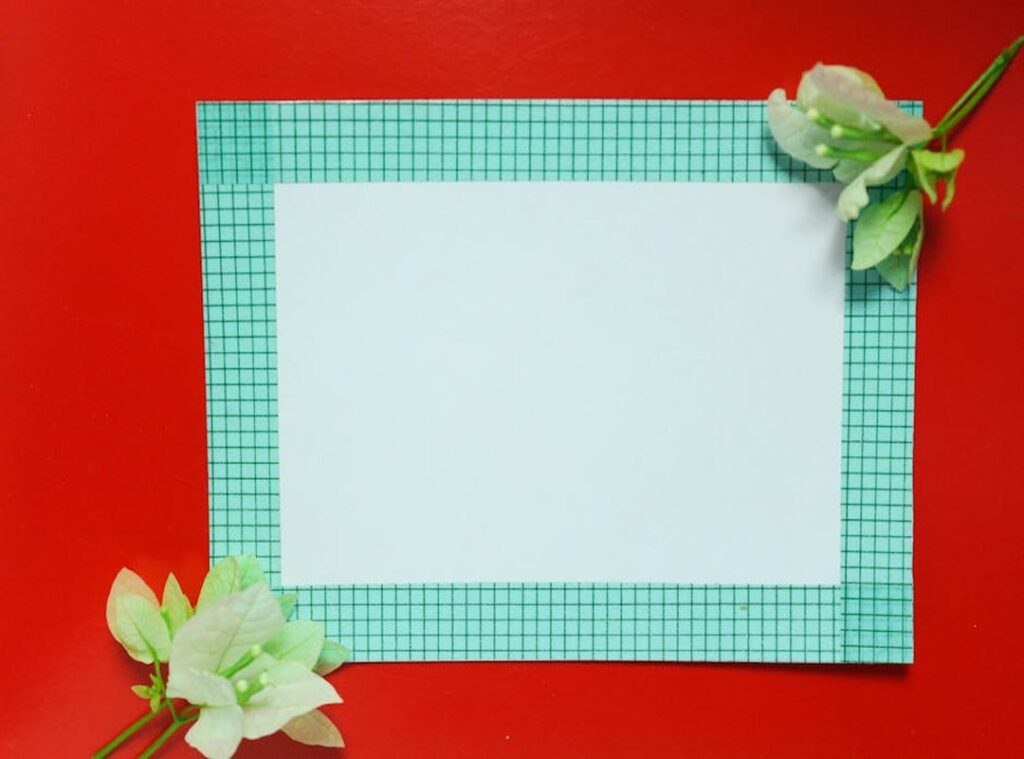
Remember those simple, classic checkerboard paper weavings we all made as kids? What if you could move beyond basic patterns and create intricate, stunning designs with perfect precision? This guide will not only provide you with ready-to-use template anyaman kertas but also show you how to use simple digital tools to design any pattern you can imagine.
No need for expensive software or advanced skills. We’ll bridge traditional craft with modern technology in a clear, actionable process. Finding unique, high-quality paper weaving templates and breaking free from the limitations of hand-drawn patterns has never been easier.
The Foundation: What Makes a Great Paper Weaving Template?
When it comes to paper weaving, you need two main parts: the loom sheet and the weft strips. The loom is the base with vertical slits, and the weft strips are what you weave through those slits.
Consistent spacing and straight lines are key. If your slits are wobbly or uneven, your final product will look amateurish. Trust me, I’ve seen enough wonky projects to know this matters.
Material choice is crucial too. Cardstock is thicker and more durable, making it perfect for detailed work. Construction paper, on the other hand, is lighter and easier to handle, especially for beginners.
For newbies, go with wider strips and a simpler loom. This makes the process less daunting and helps build confidence. Advanced weavers can tackle thinner strips and complex slit patterns.
It’s all about starting simple and working your way up.
A template for beginners might have wider strips and a simpler loom. An advanced one could feature thinner strips and intricate slit patterns.
Pro tip: Always use a sharp craft knife and a ruler for cutting the loom slits. Scissors can cause tearing and uneven edges. A clean cut means a cleaner, more professional-looking project.
Understanding these basics will help you create a great template anyaman kertas.
Instant Gratification: Free Printable Templates for Every Skill Level
Let’s dive into some downloadable template ideas. I’ve categorized them by difficulty to help you find the perfect match.
BEGINNER BASICS. Start with simple patterns like stripes, wide checkerboards, and basic color blocking. These are great for understanding the core mechanics.
You get a feel for how colors and shapes interact without overwhelming yourself.
INTERMEDIATE GEOMETRICS. Move on to chevrons, diamonds, and simple tessellations. These introduce the concept of counting strips to create a pattern.
It’s a step up in complexity but still manageable. You’ll start to see how small changes can make a big difference in the overall design.
ADVANCED CHALLENGES. For those ready for a bit more, try curved illusions, simple figurative shapes (like a heart or a fish), or asymmetrical designs. These templates push your skills further.
They’re the best way to build confidence before moving on to creating custom designs.
Using pre-made templates is a smart move. They give you a solid foundation and let you focus on technique. Plus, they help you avoid the frustration that comes with starting from scratch.
WHERE TO FIND THEM. You can typically find such templates online on craft blogs, educational sites, and Pinterest. Just search for “anyaman kertas” or other specific terms related to your project.
This empowers you to explore and find exactly what you need.
Speculation: I think we’ll see more interactive and customizable templates in the future. As technology advances, these tools will become even more user-friendly. Imagine being able to tweak a template in real-time and see the results instantly.
That’s where the future is headed.
Unleash Your Creativity: How to Design Custom Templates with Free Digital Tools
You know, I love a good DIY project. Especially when it comes to crafting. Using free graphic design software like Canva, Figma, or Inkscape can really elevate your projects.
Canva is super user-friendly and perfect for beginners. Figma offers more advanced features, great for those who want to dive deeper. Inkscape is a solid choice for vector graphics, but it has a steeper learning curve.
Let’s start with a simple tutorial on creating a loom sheet in Canva. First, create an A4/Letter document. Use the ‘Line’ tool to draw perfectly spaced vertical lines.
Add a solid border as a cutting guide. Easy, right?
Now, for the weft strips. You can create multi-colored or patterned strips digitally. Print them out and cut.
It’s a game-changer for adding flair to your designs.
Have you thought about using digital photo editors? They can turn a simple photograph into a pixelated weaving pattern. Assign a color to each pixel-turned-strip.
It’s a fun way to add personal touches.
The biggest advantage of digital creation, and easy iteration. Change colors, adjust spacing, and fix mistakes with a click.
Saves paper and time.
And if you’re into traditional crafts, template anyaman kertas can be a great starting point. But why not take it a step further with digital tools?
Finally, if you’re looking for inspiration, check out the top culinary pulse trends transforming home cooking in 2026. You might find some creative ideas that spark your next project.
From Screen to Reality: Printing and Prepping Your Digital Designs
Printing your digital designs can be a bit tricky, but with the right approach, you can get professional results. Use a ‘high quality’ print setting for the best output.
- Select the correct paper type in the printer dialog.
- Choose a heavier paper weight like 65 lb / 176 gsm cardstock for custom templates.
This ensures your strips are sturdy enough to weave without tearing.
Place the printed loom sheet on a self-healing mat. Use a steel ruler and craft knife for perfectly straight slits. This method is more precise than scissors and helps maintain the integrity of the design.
Before weaving, lightly run a fingernail over the cut slits to ensure they are fully separated. This final check prevents any issues during the weaving process.
Using the template anyaman kertas? This step is especially important to keep your design clean and professional.
Your Next Masterpiece Awaits
Embark on a creative journey from basic paper weaving to crafting limitless custom designs. With accessible technology, you can now transform simple techniques into intricate, personalized art.
Your search for a template anyaman kertas is over. You now have both immediate solutions and the skills to create your own unique patterns.
Combine the timeless appeal of a physical craft with the precision and flexibility of digital design. This blend opens up a world of possibilities, allowing you to express your creativity in new and exciting ways.
Take the next step. Choose one of the free digital tools mentioned and spend 15 minutes designing your very first custom weft strip pattern.
 Kitchen Efficiency & Innovation Specialist
Graham Royalimores is the kind of writer who genuinely cannot publish something without checking it twice. Maybe three times. They came to culinary pulse through years of hands-on work rather than theory, which means the things they writes about — Culinary Pulse, Falotani Fusion Dishes, Flavor Pairing Techniques, among other areas — are things they has actually tested, questioned, and revised opinions on more than once.
That shows in the work. Graham's pieces tend to go a level deeper than most. Not in a way that becomes unreadable, but in a way that makes you realize you'd been missing something important. They has a habit of finding the detail that everybody else glosses over and making it the center of the story — which sounds simple, but takes a rare combination of curiosity and patience to pull off consistently. The writing never feels rushed. It feels like someone who sat with the subject long enough to actually understand it.
Outside of specific topics, what Graham cares about most is whether the reader walks away with something useful. Not impressed. Not entertained. Useful. That's a harder bar to clear than it sounds, and they clears it more often than not — which is why readers tend to remember Graham's articles long after they've forgotten the headline.
Kitchen Efficiency & Innovation Specialist
Graham Royalimores is the kind of writer who genuinely cannot publish something without checking it twice. Maybe three times. They came to culinary pulse through years of hands-on work rather than theory, which means the things they writes about — Culinary Pulse, Falotani Fusion Dishes, Flavor Pairing Techniques, among other areas — are things they has actually tested, questioned, and revised opinions on more than once.
That shows in the work. Graham's pieces tend to go a level deeper than most. Not in a way that becomes unreadable, but in a way that makes you realize you'd been missing something important. They has a habit of finding the detail that everybody else glosses over and making it the center of the story — which sounds simple, but takes a rare combination of curiosity and patience to pull off consistently. The writing never feels rushed. It feels like someone who sat with the subject long enough to actually understand it.
Outside of specific topics, what Graham cares about most is whether the reader walks away with something useful. Not impressed. Not entertained. Useful. That's a harder bar to clear than it sounds, and they clears it more often than not — which is why readers tend to remember Graham's articles long after they've forgotten the headline.